
Grenada at the Ballot Box: Spice, Storms and the Long Shadow of Underdevelopment
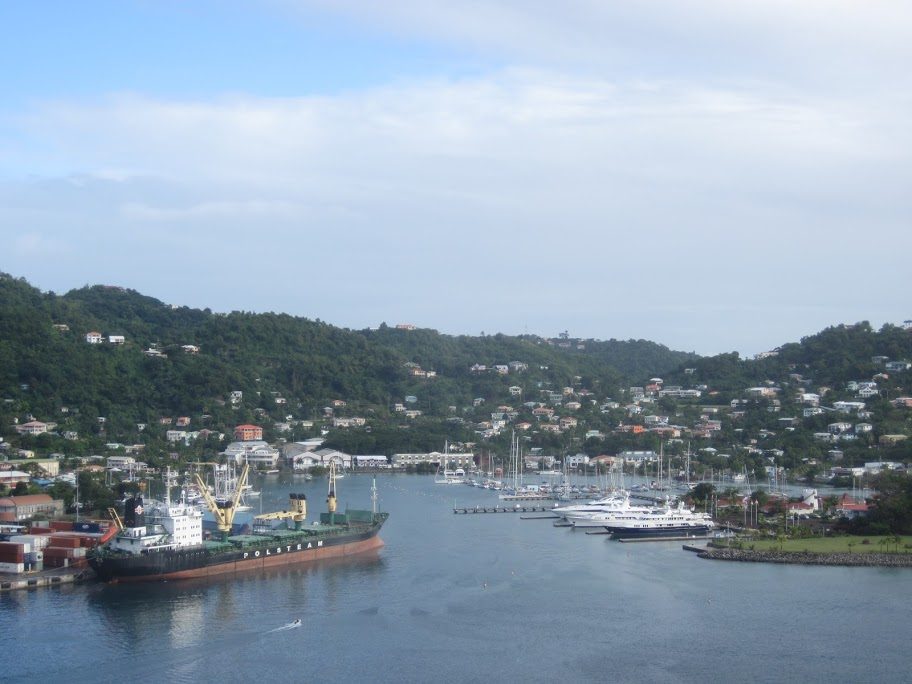
Grenadians vote today for all 15 seats in Parliament. Whoever wins inherits a nation whose deepest problems were set long before either party was born.
Walter Rodney taught a generation of Caribbean thinkers to ask a simple question of poor countries: not why they failed to develop, but how they were made to underdevelop. In How Europe Underdeveloped Africa, he argued that poverty in the formerly colonised world is not a natural condition. It is the product of a relationship, one in which wealth flows outward and dependence is built in.
Grenada is a small place to test a big idea. The Spice Isle has about 115,000 people, a beautiful coastline and a long record of being shaped by others: by planters, by empire, by the Cold War, by hurricanes and now by global capital. On 5 November 2026 its people choose a government. This article asks what that choice can, and cannot, change.
As this piece goes to publication, polls are open across Grenada, Carriacou and Petite Martinique, with results expected overnight.
The contest
Prime Minister Dickon Mitchell called the election almost a year before it was due. His National Democratic Congress (NDC) won the June 2022 election 9–6, ending a decade of rule by Dr Keith Mitchell's New National Party (NNP). Forty-six candidates are standing across the 15 constituencies, and eight seats form a government.
The NNP is now led by former education minister Emmalin Pierre, the first woman to lead the party. Its "Better Grenada" campaign promises to cut corporation tax from 28% to 25% and to let workers retire between 60 and 65 through the National Insurance Scheme. Keith Mitchell, now 80, appeared on the NNP platform, though he is not standing again.
A third force, the Democratic People's Movement, was launched in November 2025 by Peter David, a former foreign minister who has served in both main parties. The NDC campaigns on its record: strong growth, record budgets, the Hurricane Beryl recovery, and unemployment it says has fallen to a historic low.
On the surface, this is a familiar Caribbean contest between two established parties and a newcomer. Beneath it lies a harder question. How much room does any Grenadian government have to act, when so many of the levers sit in Washington, in the IMF's offices and in the paths of Atlantic storms?
A history written elsewhere
Rodney's starting point was the plantation, and so is Grenada's. France and Britain fought over the island, wiped out much of its Kalinago population, and turned it into a sugar colony worked by enslaved Africans. Wealth went to Europe while the island was left with a single-crop economy and a population with no stake in the land. In 1795–96, Julien Fédon led free people of colour and the enslaved in a rising that came close to ending British rule. It was crushed, but it remains the island's founding act of resistance.
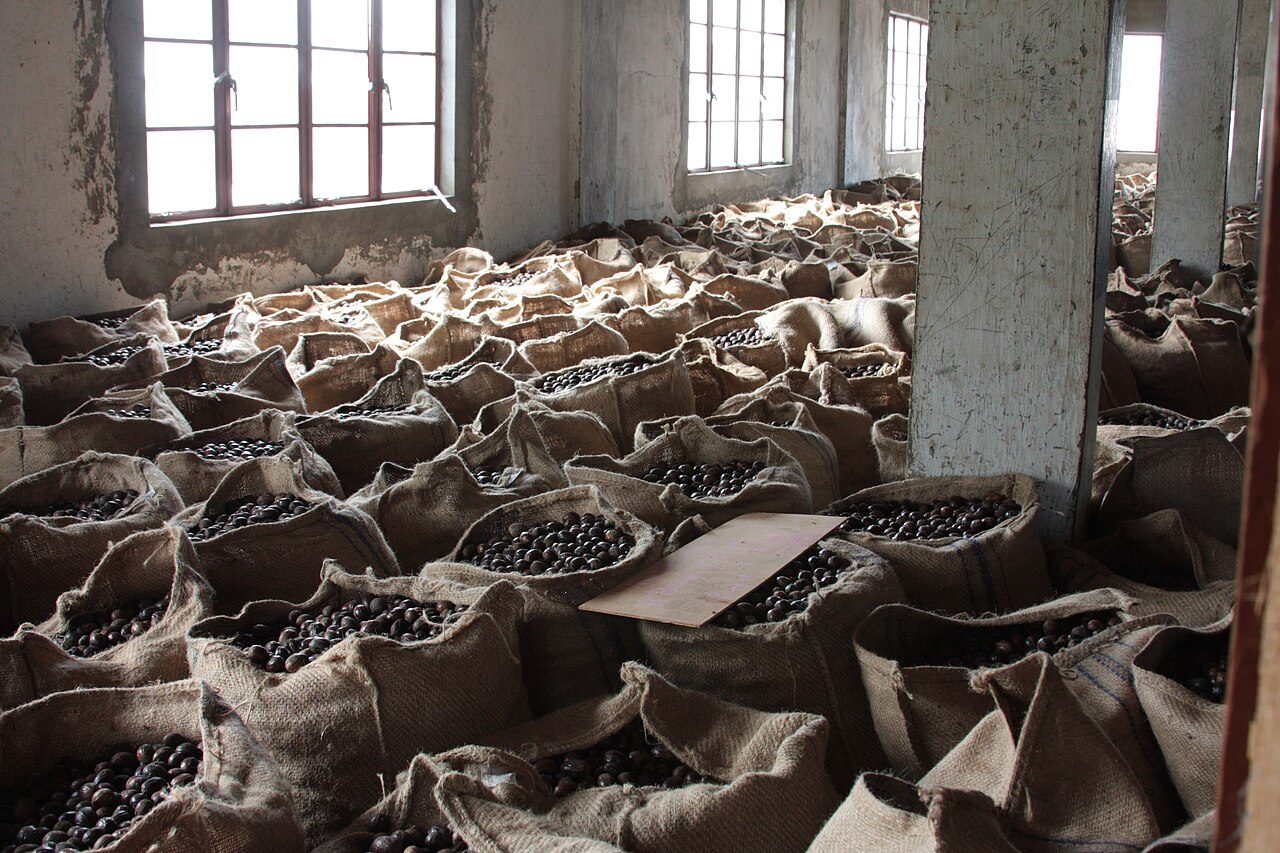
Emancipation did not bring economic freedom. Nutmeg and cocoa replaced sugar, but Grenada still sold raw produce abroad at prices set by others. This is the pattern Rodney described: a colony built to supply the metropole, not to develop itself.
Independence in 1974 came under Eric Gairy. He was a trade unionist who had championed agricultural workers, but he ruled with growing authoritarianism and relied on the feared "Mongoose Gang." In 1979 Maurice Bishop's New Jewel Movement removed him in a near-bloodless coup.
The People's Revolutionary Government was an attempt to break the pattern. It expanded literacy, health care and cooperatives, and it began the international airport at Point Salines, with Cuban help. It also suspended elections. In October 1983 the revolution devoured itself: a split in the party led to Bishop's arrest and execution at Fort Rupert. Within days, United States forces invaded.
For many in the region, 1983 bore out the logic of Rodney's analysis, though he did not live to see it, having been assassinated in Guyana in 1980: a small country that tries to chart its own economic course faces both its internal contradictions and the power of larger states. Grenada has lived with that double lesson ever since.
The economy of dependency
On the numbers, Grenada is doing well. The IMF estimates growth reached 4.4% in 2025, and the 2026 budget of EC$1.96 billion is the largest in the island's history. The government says unemployment fell from 16.6% in 2021 to 7.5% by October 2025.
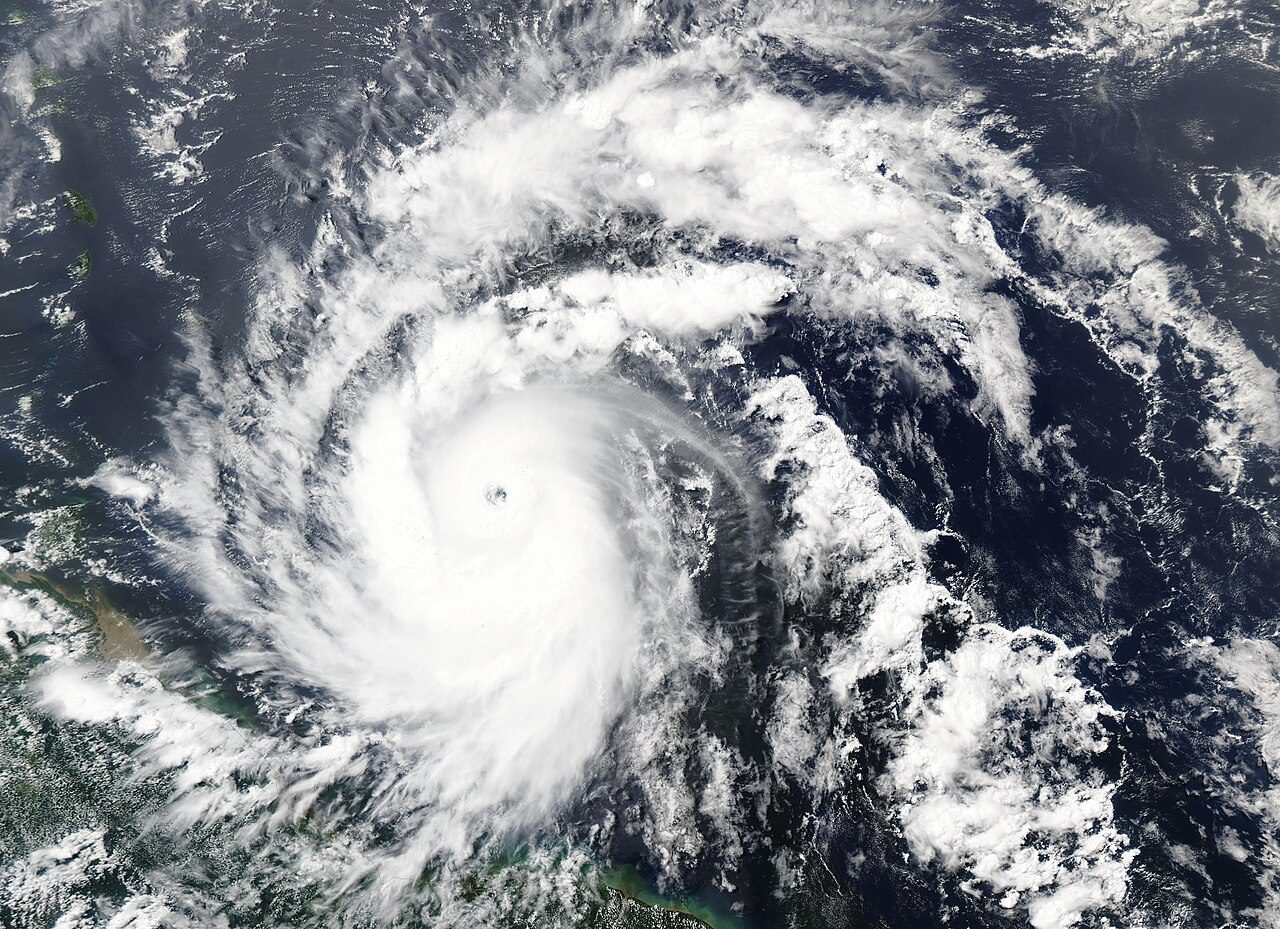
But look at where the growth comes from. Hurricane Beryl struck on 1 July 2024 as a Category 4 storm. It caused damage worth about 16.5% of GDP and damaged or destroyed roughly 98% of buildings on Carriacou and Petite Martinique. Much of today's growth is reconstruction, and the IMF expects it to fade as building slows. The Fund also wants Grenada's fiscal rule, suspended for the recovery, restored by 2027.
The storms themselves are part of the story. Small island states did little to cause the climate crisis, yet they pay for it in rebuilt roofs and borrowed money. A Rodney-style reading would call this a new form of extraction: the costs of an industrial economy built elsewhere land on Caribbean shores.
Then there is the passport trade. Grenada's Citizenship by Investment programme, launched in 2014, now asks at least US$235,000 for a Grenadian passport. It has become a major source of state revenue, and since the change of government in 2022 more than 8,000 people have been granted citizenship this way. The money builds schools and roads. Yet a nation that funds itself by selling its citizenship is selling something more than a document. It deepens dependence on foreign wealth, can push up land prices for local people, and leaves public finances exposed to decisions taken in Brussels, Washington or regional regulators.
Tourism, the other pillar, follows the same logic. It earns foreign exchange, but the airlines, the large hotel brands and the prices are largely set abroad. Rodney's point was never that trade with the outside world is wrong. It was that the terms of that trade decide who develops and who does not.
A nation that exports its young
Rodney wrote about the loss of labour as a core part of underdevelopment. Grenada's version is quieter than the slave trade, but it is steady. One estimate puts the cumulative loss through migration since 1950 at nearly 100,000 people, close to the size of today's resident population. Grenadians built lives in Trinidad, Aruba, Britain, the United States and Canada, and many of those who leave are the nurses, teachers and skilled workers the island most needs.
At home, the population is ageing. Women in Grenada had almost seven children each in 1960; today the figure is below the replacement level of 2.1. Fewer workers will have to support more pensioners, which is why the debate over the retirement age matters so much in this campaign.
The young who stay face a hard market. Headline unemployment may be at a record low, but one labour-market study, citing Caribbean Development Bank figures, puts unemployment among 15–29-year-olds at 36.8%. The same study links this to rising youth crime. A country that cannot offer its young a future at home is still, in Rodney's terms, having its most valuable resource drained away.
The government's 2026 Diaspora Homecoming is an attempt to reverse the flow, inviting Grenadians abroad to return, invest and reconnect. Whether that becomes policy, not just a festival, is a test for whoever governs next.
Washington steps back
The United States opened its embassy in St George's in February 1984, three months after the invasion. Forty-two years later, it is preparing to leave. In August 2026 the State Department told Congress it plans to close the embassy, as part of a wider cut to America's overseas presence. This is the third time a US administration has moved to close the post.
Earlier in the year Washington also extended visa bonds to Grenadians, citing overstay rates. Grenadians now face higher costs and more uncertainty when travelling to the country that once claimed to have rescued them.
The irony would not have been lost on Rodney. In 1983 Grenada was important enough to invade. In 2026 it is small enough to drop. Both decisions were made in Washington, for Washington's reasons. The lesson for Grenada is that the attention of great powers is neither a gift nor a guarantee, and a foreign policy built on it is no policy at all.
That opens space as well as risk. Grenada is deepening ties with China, the Gulf states and its CARICOM and OECS partners. A government with a clear view of the national interest could use this moment to build relationships on Grenada's own terms.
What the ballot can and cannot change
Elections matter. They decide who manages the budget, how fairly recovery money is spent, how the passport programme is policed and whether young people see a reason to stay. Grenadians are right to take today's choice seriously.
But Rodney would remind us that the deepest forces shaping Grenada were not on the ballot paper. The plantation economy, the debt that follows every hurricane, the pull of richer countries on young workers, and the shifting moods of distant capitals all set the limits within which any government works.
The real test of the next government is not only how it manages those limits, but whether it tries to push them back: by building food security and local ownership, by turning the diaspora into investors, by uniting with OECS and CARICOM neighbours to speak with one voice on climate finance and reparations, and by making sure the wealth the island earns stays to build the island.
Fédon, Bishop and Rodney each imagined a Caribbean that would stop developing for others and start developing for itself. That unfinished project is the real question in front of Grenadian voters today.
Sources
- IMF – 2025 Article IV consultation with Grenada
- Jamaica Observer – IMF says Grenada must restore fiscal rule by 2027
- Government of Grenada – Update on Hurricane Beryl response
- Caribbean National Weekly – Grenada's 2026 budget
- Caribbean Today – Grenada's economic performance
- Caribbean Life – Election date announced
- Caribbean Today – NNP launches Better Grenada rally
- The New Today – NNP campaign
- Rio Times – 46 candidates nominated
- NTL International – Grenada Citizenship by Investment
- NOW Grenada – CBI citizens approved since 2022
- NOW Grenada – Youth unemployment and crime
- Measured World – Grenada migration
- GeoRank – Grenada fertility
- NOW Grenada – US proposes closure of embassy
- Jamaica Observer – US visa bonds and Grenada news
Get Kingston Mouth in your inbox
Donovan Reynolds' latest articles and videos on Jamaica, the UK and the world, plus occasional sponsored offers. Unsubscribe any time.
Enjoyed this? Kingstonmouth.com is independent and reader-supported.
☕ Buy us a coffee
Comments
Loading comments…
Leave a comment