
A Reason to Stay: Can St Vincent Keep Its People?
The runner who had to leave
In August 2024, a young woman from Richland Park, St Vincent, stepped onto the track in Paris and made history. Shafiqua Maloney became the first Vincentian ever to reach an Olympic final. She finished fourth in the world in the women's 800 metres, just outside the medals, breaking her own national record along the way.
Yet only months earlier, Maloney had told a Jamaican television station that she was struggling to buy food and pay her rent in the United States. She said the national athletics body had told her it had no money to help her chase her dream.
Her story is the story of St Vincent and the Grenadines in miniature. The talent is real. The pride is real. But too often, to realise their potential, Vincentians must leave home — and then fend for themselves abroad. As a new government settles in, Kingston Mouth asks the question that will define its success: can St Vincent give its people a reason to stay?
A nation slipping below 100,000
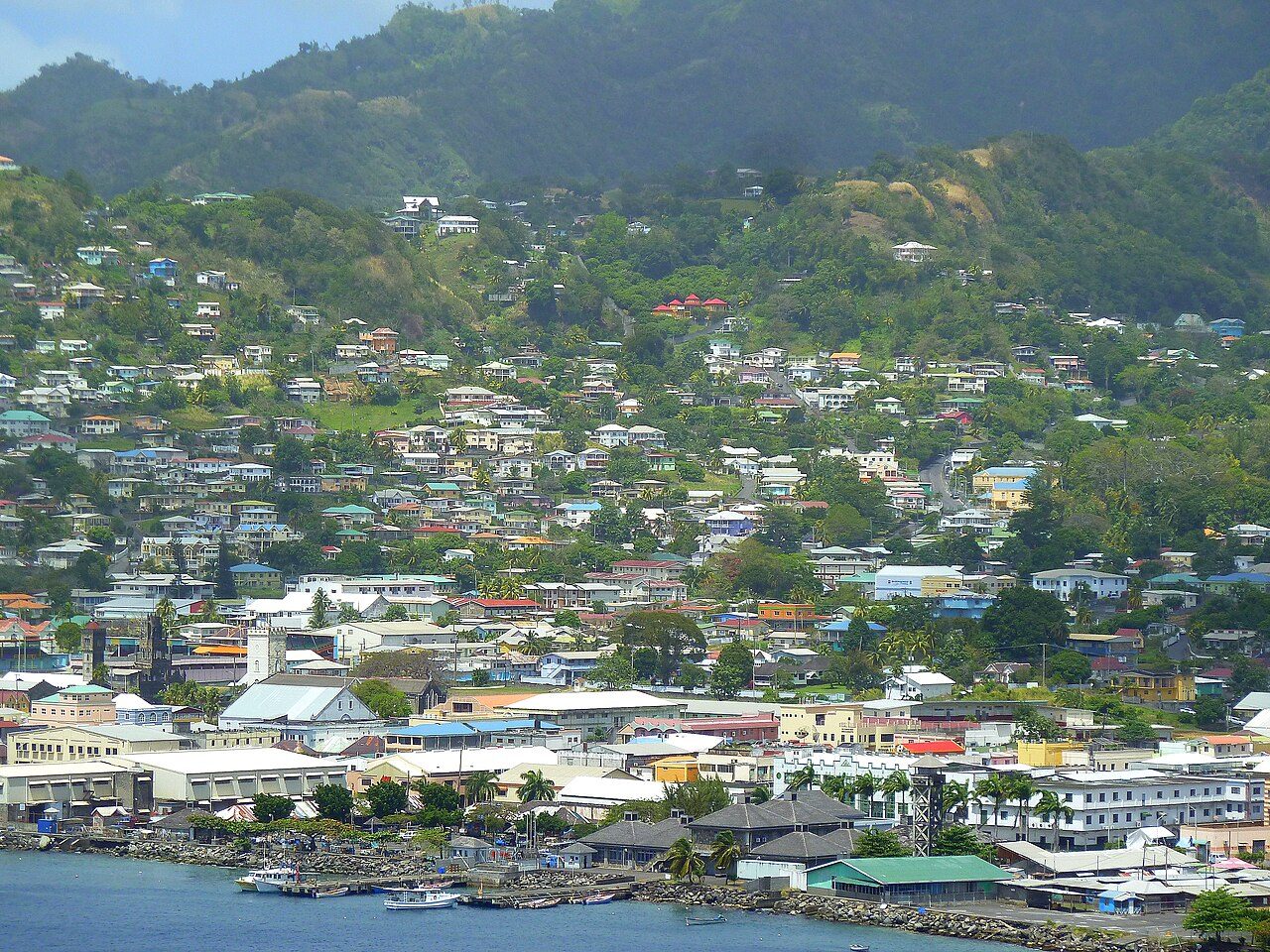
St Vincent and the Grenadines has quietly crossed a symbolic line. UN estimates put the population at about 99,000 in 2026, down from roughly 100,600 in 2024. It is now shrinking by about 0.7% a year.
The key figures:
- About 254 people per square kilometre, on just 390 km² of land.
- Around 63% live in urban areas, mostly in and around Kingstown.
- A median age of 34.7, with only about one person in five counted as young.
- Life expectancy of about 71.7 years.
The main driver is emigration. For generations Vincentians have left for the UK, the United States, Canada and neighbouring islands. Many work in Barbados, Antigua and beyond. Birth rates are falling too. The result: a home population in decline, and a diaspora that grows stronger every year.
This is not only a statistic. A shrinking, ageing workforce means fewer taxpayers, fewer entrepreneurs and fewer athletes like Maloney competing in national colours. The brain drain and the talent drain are the same drain.
A new government after 24 years
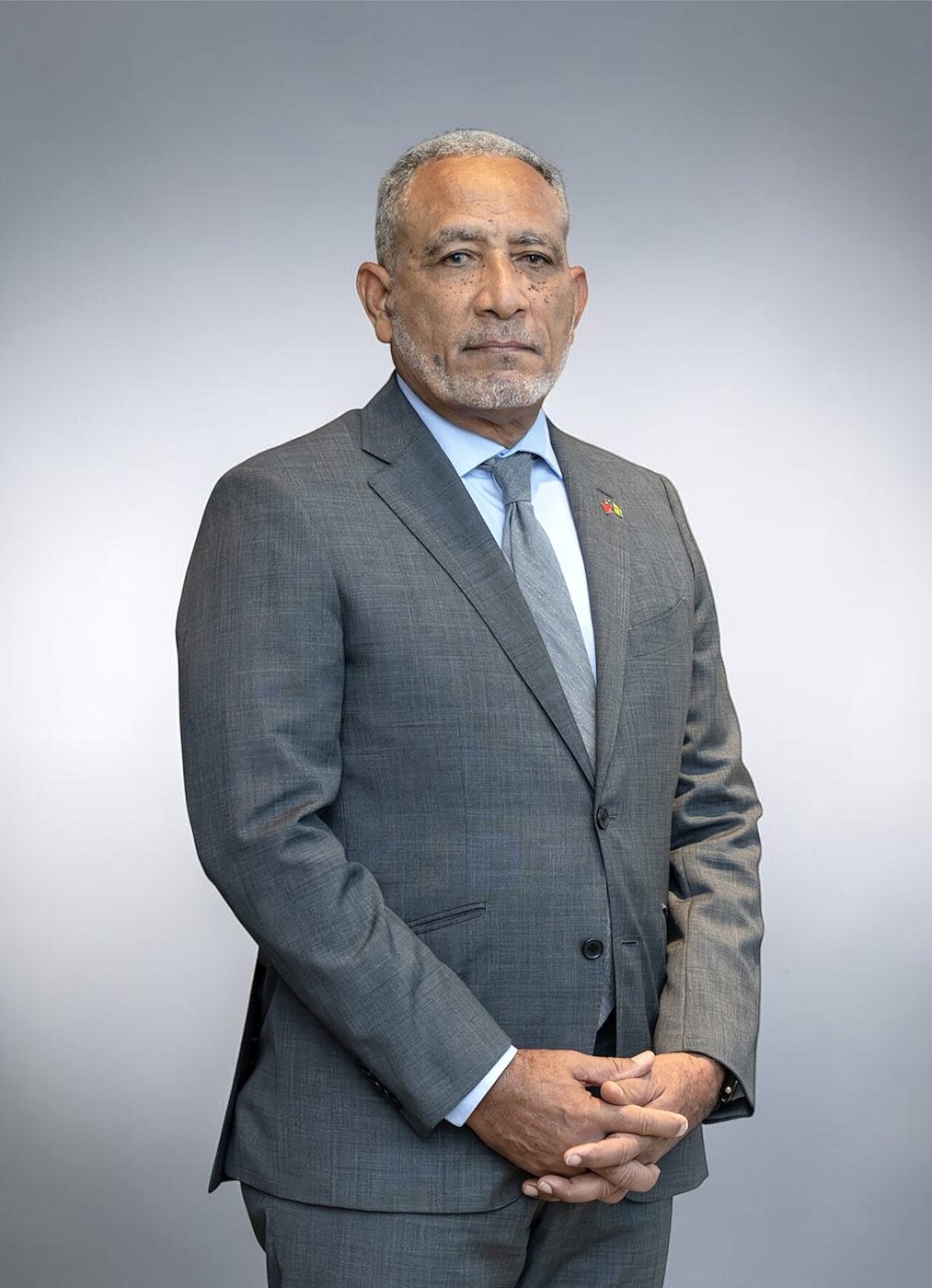
In November 2025, Vincentians voted for change. Godwin Friday's New Democratic Party defeated Ralph Gonsalves's Unity Labour Party — one of the world's longest-serving democratic leaders — winning 14 of the 15 seats. It was the first new prime minister in 24 years.
Friday's first year has centred on the pocketbook:
- A National Cost-of-Living Task Force, set up in March 2026 to respond to global economic shocks.
- A 2026 Budget focused on entrepreneurship and job creation. Friday's argument is simple: the best help a government can give is an economy that provides opportunity.
- A Private Sector Advisory Council to work more closely with business.
- An active diplomatic calendar, from the CELAC summit in Colombia to the IMF–World Bank meetings and the US–Caribbean Dialogue in Washington.
These are the right priorities for a country losing its people. Young Vincentians do not leave because they lack love for home. They leave because they lack jobs, wages and opportunities that match their talent. Friday's government will be judged on whether that changes.
Guns and floods
Two threats are testing the new government — and both push people towards the departure lounge.
Crime. St Vincent has recorded 42 murders so far in 2026, compared with 40 last year — a heavy toll for a nation of 99,000. On 28 October the government announced a National Crime Reduction Task Force, co-chaired by the Deputy Prime Minister and Minister of National Security. Friday warned that gun crime is shattering the country's peace and destroying young lives. He has called on community leaders and social organisations to join in. A 90-day crime reduction, border protection and citizen security plan begins on 7 December, with every law enforcement agency working at full stretch.
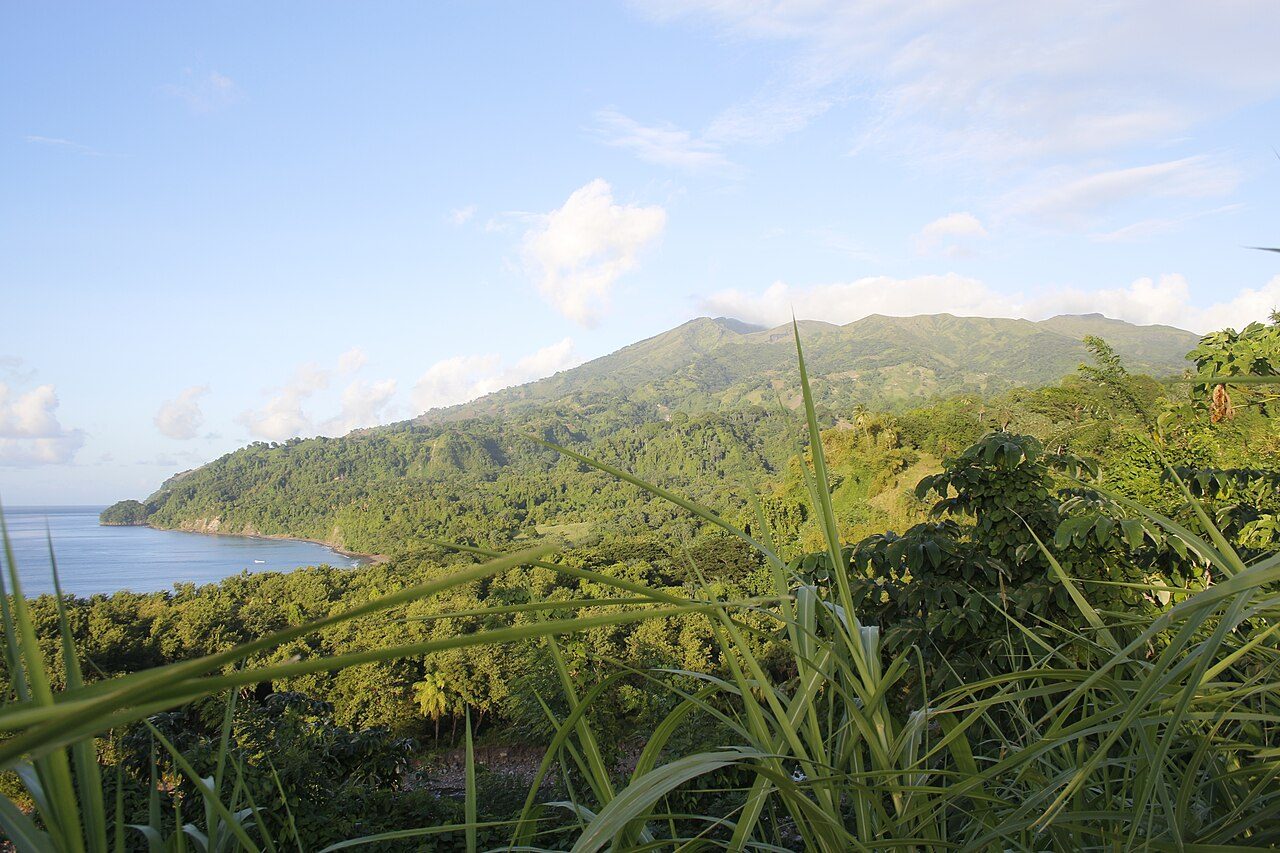
Floods. On 6 October, torrential rain brought flooding and landslides. More than 103 disaster incidents were recorded — flooded homes, displaced families, and damage to roads, businesses, schools and health facilities. The Prime Minister puts the bill at $7.7 million. Taiwan donated US$100,000 in relief, and Friday has urged better disaster preparedness.
For a young family weighing whether to stay or go, safety and resilience matter as much as wages. A country that cannot protect its streets or withstand its storms will keep losing its people.
Reasons for hope
There is plenty to build on.
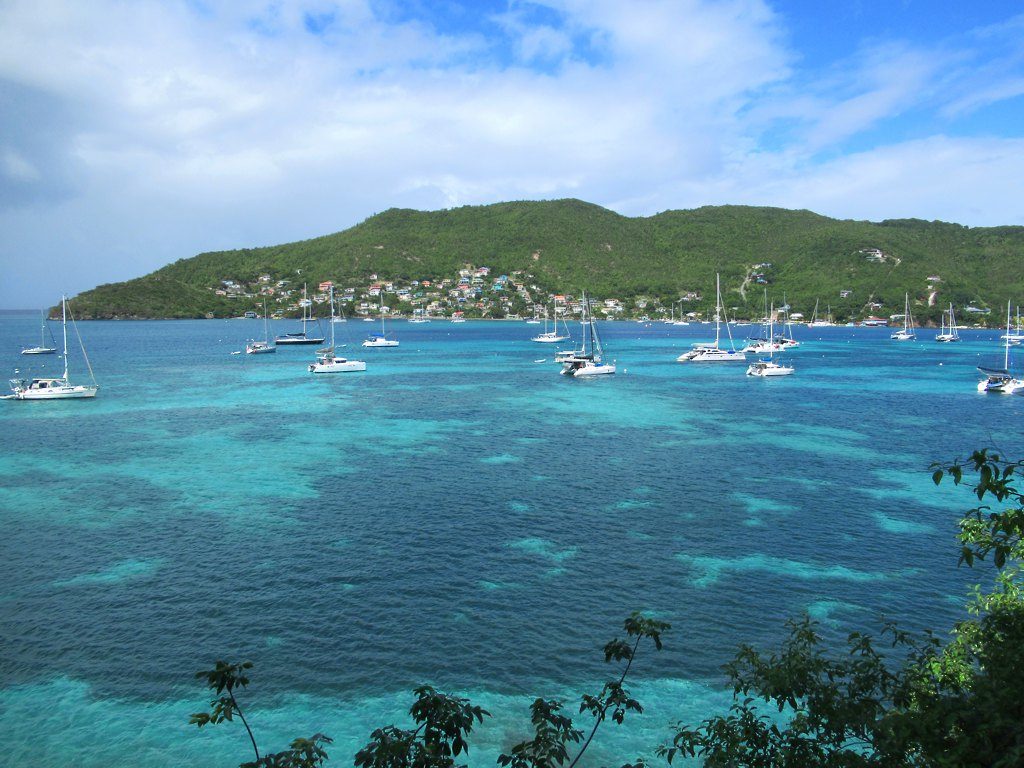
Tourism. On 1 November the SVG Tourism Authority launched a new destination brand, partnering with international news networks and airlines, including adverts on Air Canada's in-flight screens. It has hired agencies to sell the islands abroad, among them Palmer and Partners in the UK. St Vincent has also been shortlisted in six categories of Britain's Wanderlust Reader Travel Awards. From the Grenadines' turquoise bays to La Soufrière's volcanic peaks, the product is world-class. Tourism done well creates jobs at home.
Sporting pride. After 23 years, St Vincent's netballers have qualified for the Netball World Cup Finals. Maloney's Olympic run showed the world what Vincentian athletes can do. Before her came Kineke Alexander, the 400 metres runner from Kingstown who competed at the 2008 and 2012 Olympics.
A proud nation. The country marked 47 years of independence on 27 October. Its heroes run from Chief Joseph Chatoyer, the Garifuna leader who resisted British colonisation, to soca star Kevin Lyttle, whose hit "Turn Me On" went global.
The lesson of Maloney's story is this: talent was never the problem. Support was. Imagine what she might have achieved with a national programme behind her, training at home.
The view from here
St Vincent and the Grenadines does not lack talent, beauty or pride. What it has lacked is enough reasons for its people to stay. Friday's government has inherited a shrinking nation, rising gun crime and a climate that grows more dangerous each year. Its focus on jobs, the cost of living and security is the right one.
But the true test will be simple. When the next Shafiqua Maloney emerges from Richland Park, will she find the support to rise at home — or will she, too, have to leave to be seen?
The diaspora has a role to play. Vincentians abroad send money, skills and ideas home. Governments across the Caribbean, from St Vincent to Jamaica, would do well to treat their diasporas not as people who left, but as partners in building nations worth returning to.
What do you think? Can Godwin Friday's government reverse the exodus? What would make young Vincentians — or Jamaicans — choose to stay? And should Caribbean governments do more to back their athletes at home? Share your views in the comments below.
Donovan Reynolds is a trained diplomat and the founder of Kingston Mouth. He is the author of River Tales and Environmental Realities, available on Amazon and Kindle.
Sources
- Searchlight – Shafiqua fourth in Olympic 800m
- iWitness News – Maloney makes Olympic final
- Worldometer – SVG population
- Statistics Times – SVG population
- Population Pyramid – SVG 2026
- CTV/AP – Gonsalves loses election
- Caribbean National Weekly – Friday's first 100 days
- PM's Office – press releases
- CBC Barbados – SVG crime task force
- The Vincentian – floods
- iWitness News – latest news
- iWitness News – tourism brand rollout
- Searchlight – Wanderlust awards shortlist
- Kineke Alexander profile
Get Kingston Mouth in your inbox
Donovan Reynolds' latest articles and videos on Jamaica, the UK and the world, plus occasional sponsored offers. Unsubscribe any time.
Enjoyed this? Kingstonmouth.com is independent and reader-supported.
☕ Buy us a coffee
Comments
Loading comments…
Leave a comment