
The Genuine Link: How St Kitts and Nevis Is Redefining Who Belongs — and Who Pays
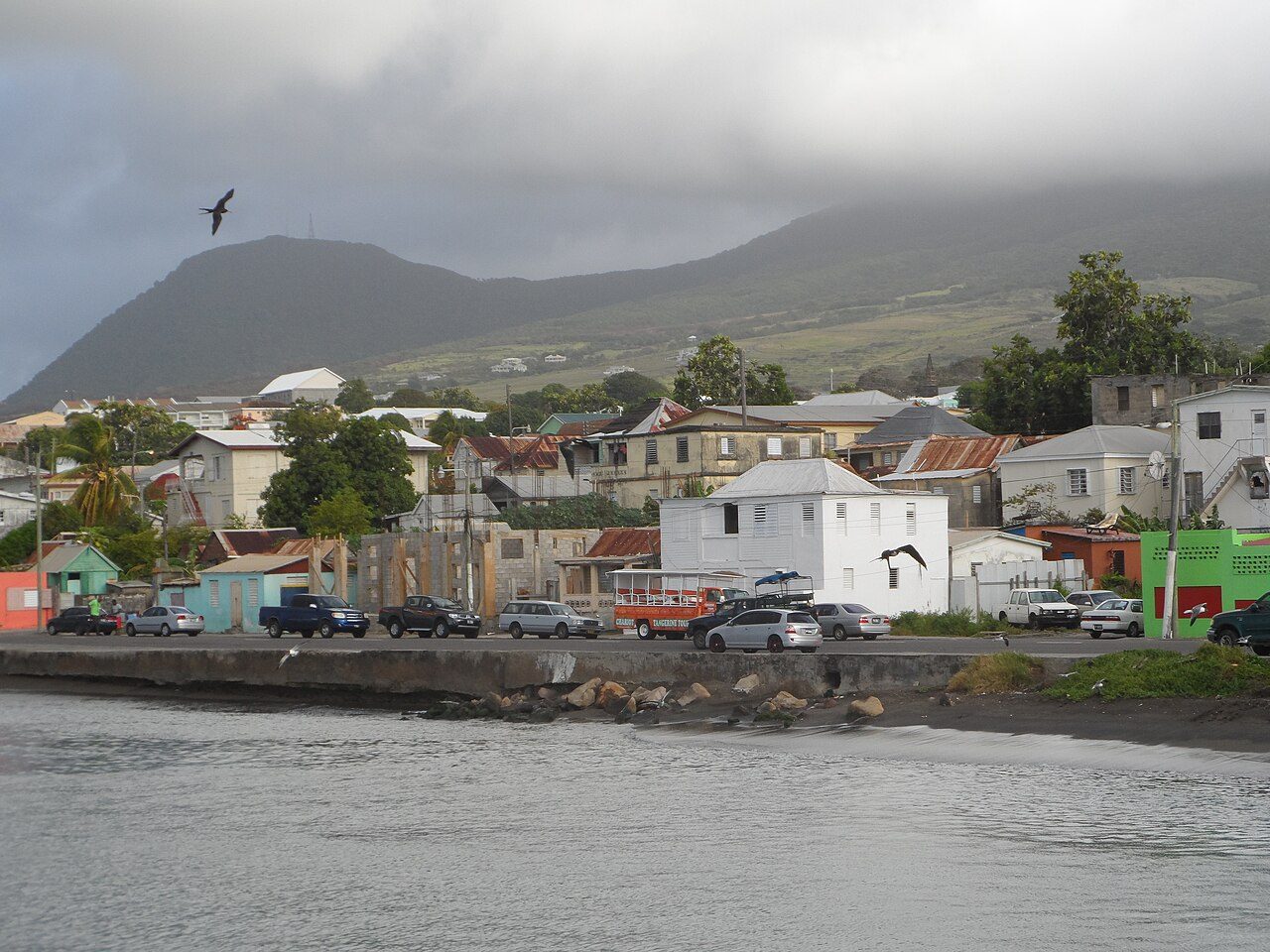
Two islands, one big question
St Kitts and Nevis has a population of fewer than 47,000 people. Yet in 2026 this tiny federation is wrestling with a question that big nations struggle to answer: who truly belongs — and who pays for the privilege?
In 1984, a year after independence, St Kitts and Nevis invented the modern passport-for-investment industry. For four decades, foreign money bought citizenship. Nevis, meanwhile, built a quiet empire of offshore companies and trusts, prized by the world's wealthy for their privacy.
Now the federation is redrawing the lines. Wealthy foreigners must prove a "genuine link" to earn a passport. The children and grandchildren of the diaspora are being invited home. Nevis is doubling down on offshore finance while guarding its secrets. And a new sovereign wealth fund aims to save the windfall for future generations. Kingston Mouth looks at what is changing — and why it matters for the whole Caribbean.
Passports with a pulse
For 40 years the deal was simple: invest the money, receive the passport. That era is ending.
In 2026 the government confirmed the biggest overhaul of its citizenship-by-investment programme since 1984. For the first time, new applicants must meet a physical residency and "genuine link" requirement. Pure donations are being phased out in favour of real presence and economic engagement. Biometric enrolment and interviews are now mandatory, and new appointment centres have opened abroad, starting with Toronto and Istanbul.
The pressure came largely from Europe. Brussels and others have grown wary of "golden passports" that grant visa-free travel to people with no real tie to the country. Some advisers expect fewer applications — and say that may be exactly the point.
The lesson for the region is clear. Small states can no longer simply sell belonging. They must show that their citizens, new and old, have a real stake in the nation.

Calling the children home
While foreign investors face tougher tests, the federation is opening its arms to its own.
The Cabinet approved the Citizenship (Amendment) Bill, 2026, introduced in the National Assembly in September. It creates a new pathway to citizenship for some second- and third-generation descendants of Kittitians and Nevisians born overseas. Under the Constitution, a person born abroad could claim citizenship only if a parent was born in the federation. Grandchildren were left out.
The government says the bill closes a gap that has existed since 1983. The diaspora had raised it for decades — through letters, overseas missions, family associations and a petition to the National Assembly in 2025. Minister Hanley said the administration had finally listened.
Here is the striking contrast. A rich foreigner must now prove a genuine link before buying a passport. A grandchild in London, Toronto or New York already has one — in blood, memory and family. St Kitts and Nevis is saying, in effect, that heritage counts for more than a cheque. Barbados is moving in the same direction, extending citizenship to great-grandchildren. For a Jamaican diaspora asking the same questions, these are reforms worth studying.
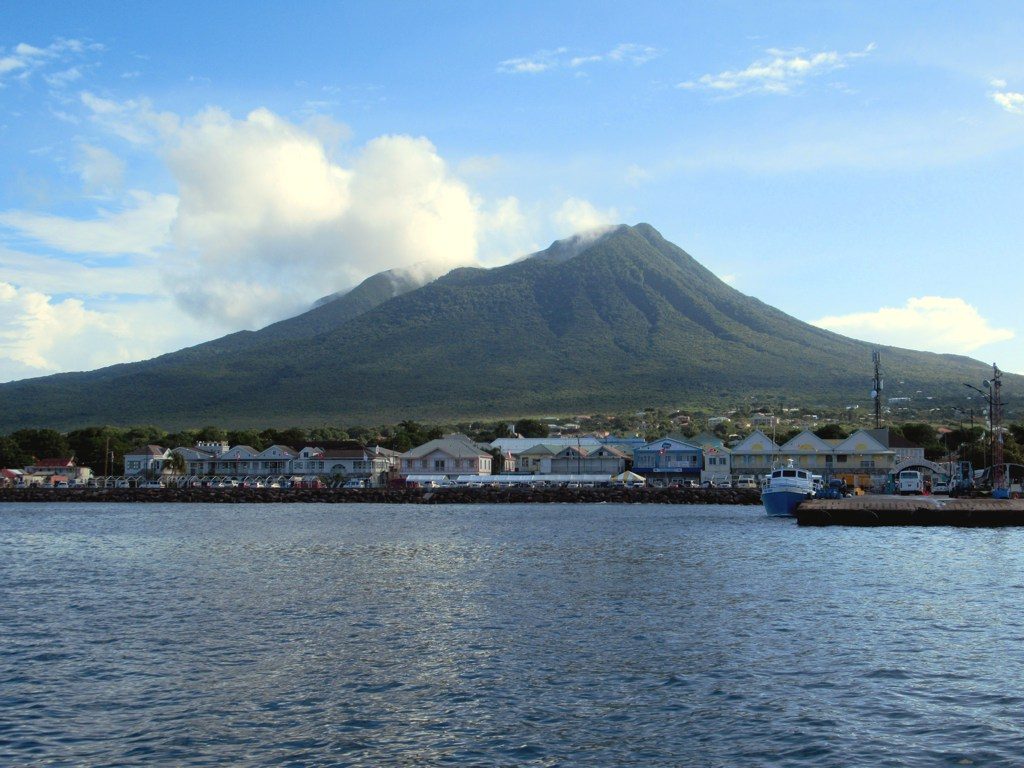
Nevis: the island that keeps its secrets
Across the Narrows, Nevis is writing a different chapter of the same story. If St Kitts is tightening the rules on who belongs, Nevis is opening its doors wider to foreign money — on its own terms.
Premier Mark Brantley, who is also Nevis's Finance Minister, wants offshore finance to become a major pillar of the island's economy, with more investment, more international service providers and more local jobs. He has been marketing the island abroad, including at an offshore planning conference in Vancouver, and says the sector is growing in 2026, helped by new products such as limited partnerships and gaming.
The legislative push is steady:
- A new Limited Partnership Ordinance took effect on 1 February 2026.
- In July, Brantley tabled four bills amending Nevis's companies, business corporations, LLC and international banking laws. All four have passed their first reading.
- Two earlier bills on record-keeping and transparency passed unanimously in November 2025, with opposition support.
The numbers show a busy registry. In April 2026 alone, Nevis recorded 335 new registrations — 240 international business companies, 81 LLCs, 10 trusts and 4 foundations — plus 1,414 renewals.
The privacy question. Here Nevis stands apart. The British Virgin Islands opened its register of company owners to the public in April 2026. Nevis has refused. Owners' details are held by registered agents and shared with police and regulators on request, but not with the public. The island points to a 2022 European Court ruling that struck down public registers on privacy grounds.
Critics argue secrecy shields money laundering and tax evasion. Nevis argues it cooperates with law enforcement while respecting legitimate privacy. For now, the federation is not on the EU's tax blacklist, updated on 9 October 2026. But in a world moving towards transparency, Nevis is betting that privacy remains a selling point rather than a liability.
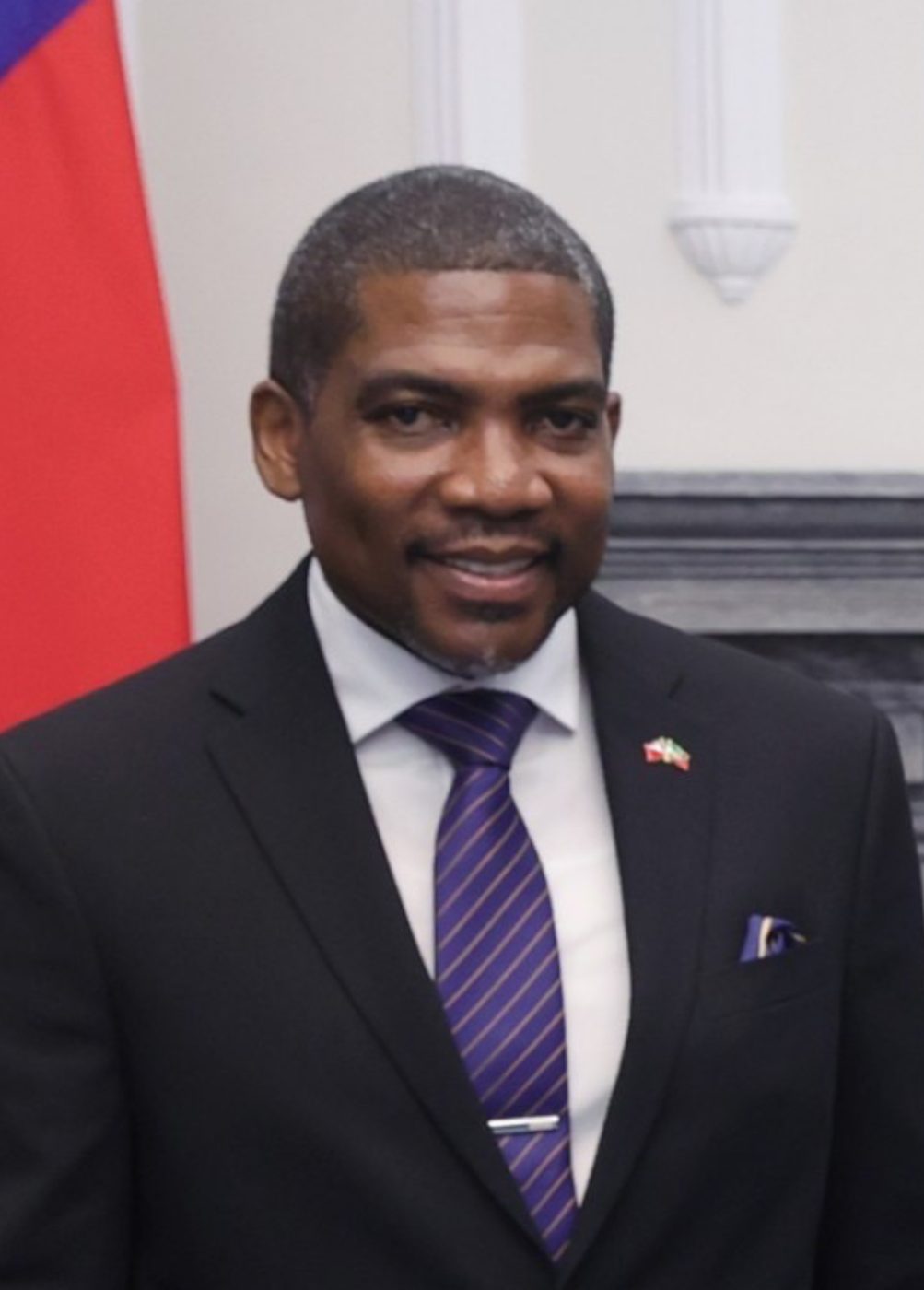
Joseph's storehouse: saving the windfall
Passport money has been a blessing — and a temptation. In March, Prime Minister Dr Terrance Drew presented the Sovereign Wealth and Resilience Fund Bill, 2026 to the National Assembly. The fund would capture and invest part of the country's extraordinary revenues, including citizenship-by-investment inflows.
Drew reached for scripture, comparing the plan to Joseph storing grain in Egypt: when times are good, do not waste the harvest. The fund would be run by an independent board under strict fiduciary duties, with safeguards against political interference.
The safeguards are notable for a hurricane-exposed island state. After a natural disaster, money could be drawn only after a formal emergency declaration and damage assessment, capped at 30% of the fund. Fund assets could not be used as collateral for loans.
This completes the picture. If fewer passports are sold under the new genuine-link rules, the windfall may shrink. Saving today's revenue for tomorrow is the federation's insurance policy.
Washington's shadow
The question of belonging is also being shaped from outside. Under a memorandum with the United States, the federation has begun receiving deportees who are not its own citizens — local media reported three CARICOM nationals arriving under the arrangement. Jamaica has signed a similar deal. Small Caribbean states are being asked to absorb the consequences of Washington's immigration policy, often under pressure of travel or economic penalties.
All this unfolds as Prime Minister Drew returns to full duties. He suffered a stroke in late August, was treated in Martinique and the United States, and in mid-October announced a clean bill of health. He was quickly back on the regional stage, travelling to Washington for a US–Caribbean dialogue. With Democrats now in control of the US Congress, he and his CARICOM colleagues have a fresh opening to press on deportations, remittances and visas.
The view from here
St Kitts and Nevis is attempting a delicate balancing act. It is making belonging harder to buy and easier to inherit. It is selling privacy to the world's wealthy while promising transparency to regulators. And it is saving today's windfall for a rainier tomorrow.
For the wider Caribbean and its diaspora, the federation is a laboratory. Its answer to "who belongs?" — heritage first, a genuine link for everyone else — may soon become the regional standard.
What do you think? Should Caribbean citizenship be for sale at all? Should Nevis open its company registers to the public, or is privacy a legitimate right? And should Jamaica follow St Kitts and Nevis in welcoming home the grandchildren of its diaspora? Share your views in the comments below.
Donovan Reynolds is a trained diplomat and the founder of Kingston Mouth. He is the author of River Tales and Environmental Realities, available on Amazon and Kindle.
Sources
- Outbound Investment – St Kitts and Nevis CBI reform 2026
- Liberty Mundo – St Kitts citizenship overhaul
- IMI Daily – physical residency requirement
- Caribbean National Weekly – citizenship pathway for descendants
- NewsNow – Barbados extends citizenship to great-grandchildren
- St Kitts-Nevis Observer – Nevis targets expansion of financial services
- NIA – Nevis intensifies push to expand financial services
- NIA – Four financial services bills receive first reading
- NIA – Limited Partnership Bill passed
- NIA – Opposition backs financial sector bills
- Southpac – Nevis registration figures
- NIA – Nevis on beneficial ownership
- KPMG – October 2026 EU list update
- SKNIS – Sovereign Wealth and Resilience Fund Bill
- ZIZ – Government proposes new sovereign wealth fund
- St Kitts-Nevis Observer – Breaking News
- Arab News / AP – Jamaica third-country deportee deal
- Jamaica Gleaner – PM Drew gets clean bill of health
- Jamaica Gleaner – PM Drew suffered a stroke
Get Kingston Mouth in your inbox
Donovan Reynolds' latest articles and videos on Jamaica, the UK and the world, plus occasional sponsored offers. Unsubscribe any time.
Enjoyed this? Kingstonmouth.com is independent and reader-supported.
☕ Buy us a coffee
Comments
Loading comments…
Leave a comment