
The Blue Wave of 2026: What the US Midterm Election Results Mean for Trump
By Donovan Reynolds, 4 November 2026
A night that changed Washington
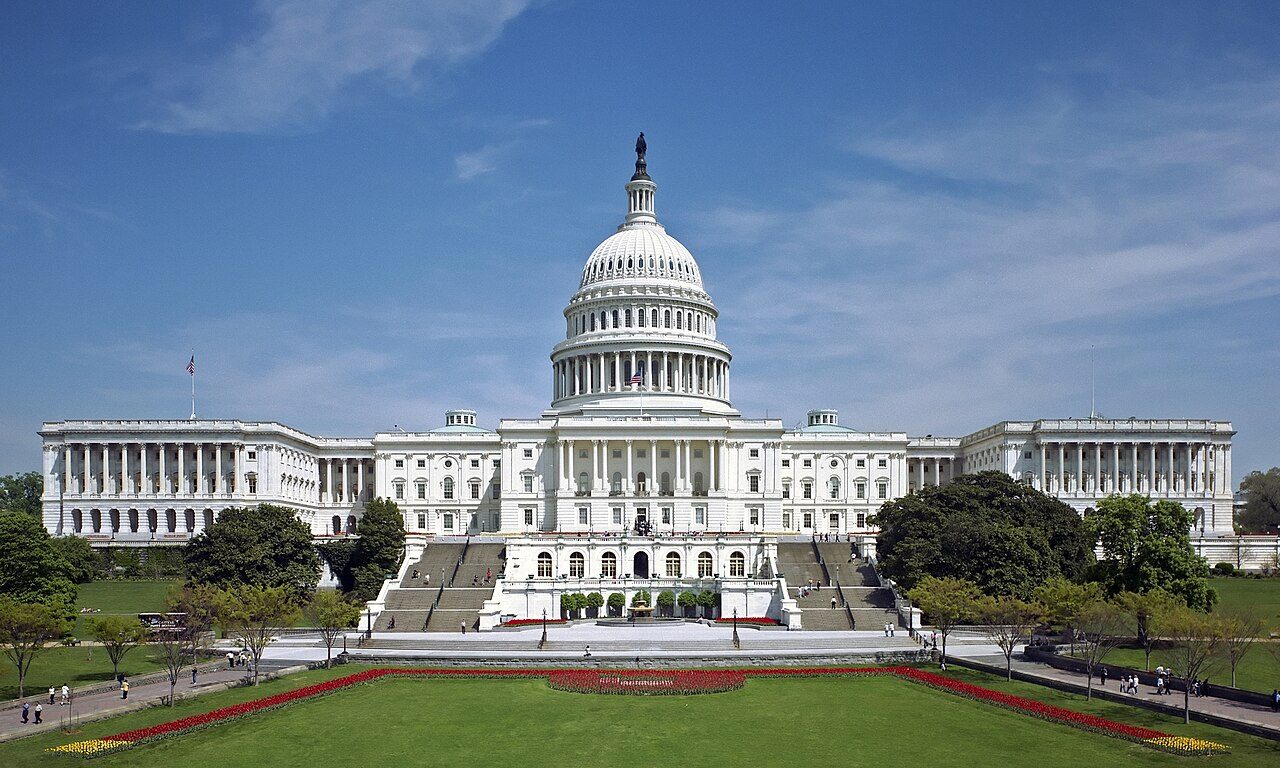
American voters have handed Democrats control of both the House and the Senate, ending two years of unified Republican government under President Donald Trump. The major networks (CBS, NBC, CNN) and NPR's tally of Associated Press race calls all agree: from January, Congress belongs to the Democrats.
Few expected this a year ago. Republicans entered 2026 with a 53–47 Senate majority and a favourable map, and few believed that majority was at risk. Democrats needed a net gain of four Senate seats. As of 6 a.m. Eastern on Wednesday, AP had them on 54 seats to the Republicans' 44, with a handful still being counted.
The result returns Democrats to full control of Congress for the first time since 2023. Most commentators are reading it as a clear rebuke of the President and his second-term agenda.
It was also a night of history. Georgia elected Keisha Lance Bottoms, the first Black woman governor in US history. Michigan elected Abdul El-Sayed, the first Muslim ever elected to the US Senate. New Mexico elected Deb Haaland, the first Native American woman governor. And Georgia's charismatic Senator Jon Ossoff emerged as the Democrats' brightest star for 2028.
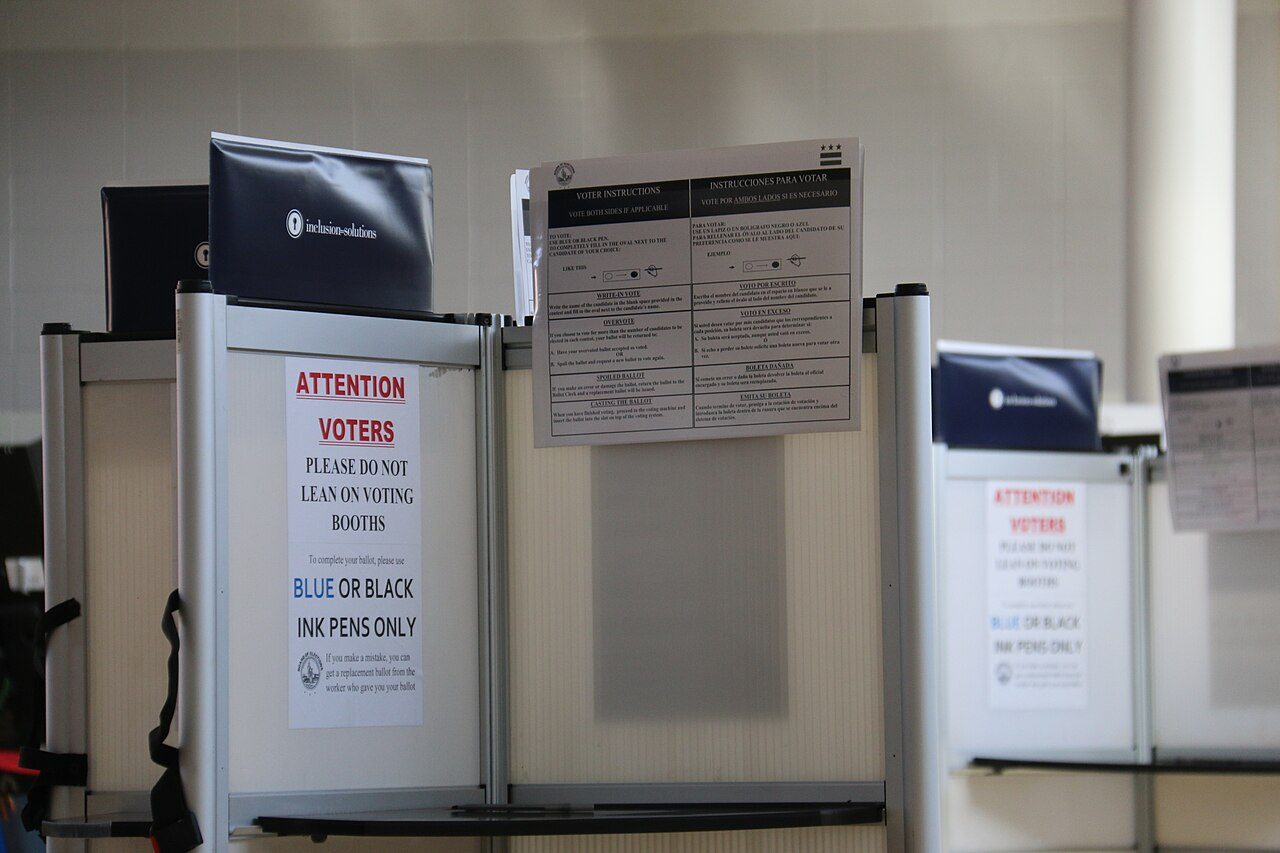
The Senate: seven flips, from Maine to Texas
NBC News counts seven Republican-held seats turned Democratic. Several came in states Trump carried comfortably in 2024.
The seven flips: Texas, Ohio, Maine, Iowa, Kansas, South Carolina and North Carolina. Among the headline names, James Talarico defeated Ken Paxton in Texas, Sherrod Brown returned to the Senate from Ohio, Troy Jackson unseated Susan Collins in Maine, Adam Hamilton won Kansas, Annie Andrews beat South Carolina's appointed senator, and Iowa's Democrat defeated Ashley Hinson to clinch the majority.
Democrats also held every seat Republicans had targeted. In Michigan, Abdul El-Sayed beat former congressman Mike Rogers. In Minnesota, Peggy Flanagan beat Michele Tafoya. In New Hampshire, Chris Pappas held the open seat. In Georgia, Jon Ossoff beat Congressman Mike Collins — more on him below.
Republicans held Nebraska (Pete Ricketts) and South Dakota (Mike Rounds). Alaska, where Democrat Mary Peltola is challenging Senator Dan Sullivan, was still counting at the time of writing.
The loss is a heavy personal blow for Senate Majority Leader John Thune. Chuck Schumer, likely the next Majority Leader, opened his victory remarks by declaring that Democrats had won the Senate against all odds.
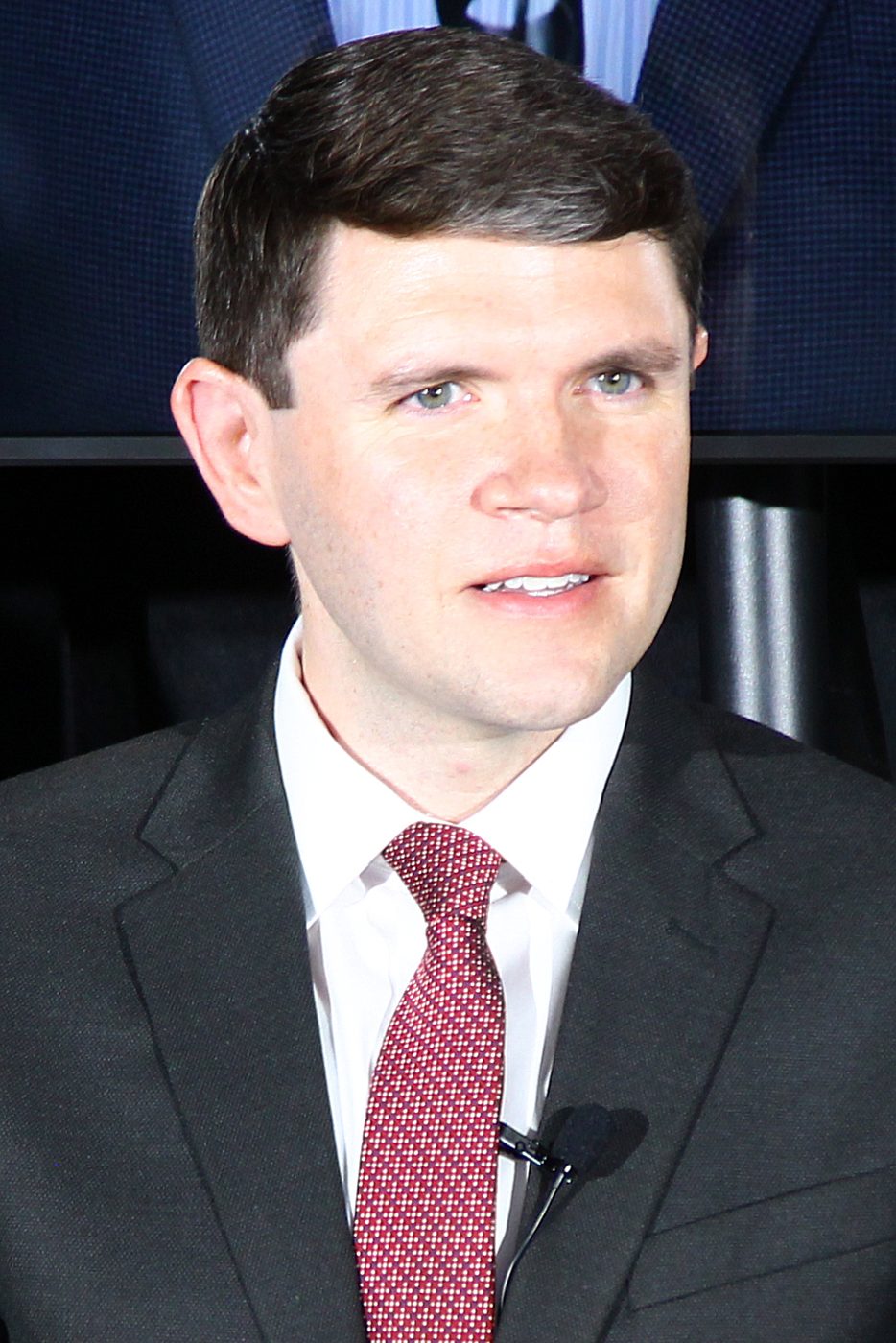
Texas: James Talarico breaks a 38-year spell
The night's most symbolic result came from the Lone Star State. State Representative James Talarico, a former public-school teacher and seminarian, defeated Attorney General Ken Paxton with about 55% of the vote to Paxton's 43%.
The historic markers are striking:
- First Democrat elected to the US Senate from Texas since 1988.
- First Democrat to win any statewide race in Texas since 1994, ending a 32-year Republican monopoly.
- Paxton had ousted four-term Senator John Cornyn in a May runoff with Trump's late endorsement — making Cornyn the first Texas senator to lose renomination since 1970.
- With combined spending above half a billion dollars, it ranks among the most expensive non-presidential races in US history.
Trump made Talarico a national target, attacking him at rallies across the country. It did not work. Talarico ran on wealth inequality and corruption, and told supporters that Texans had been his slingshot against Goliath.
Texas Democrats also took the governor's mansion: Gina Hinojosa unseated three-term Governor Greg Abbott. For decades Democrats argued that Texas was less Republican than it looked — a state of non-voters waiting for the right candidate. On Tuesday night, that argument was vindicated.
A night of historic firsts
In America's 250th year, voters broke barriers that had stood since the founding.
- Keisha Lance Bottoms (D), Georgia, Governor – first Black woman elected governor in US history; first Democratic governor of Georgia since 1998
- Deb Haaland (D), New Mexico, Governor – first Native American woman elected governor of any state
- Abdul El-Sayed (D), Michigan, Senator – first Muslim US senator
- Peggy Flanagan (D), Minnesota, Senator – first Native American woman in the US Senate
- Chris Pappas (D), New Hampshire, Senator – first openly gay man elected to the US Senate
- James Talarico (D), Texas, Senator – first Texas Democrat elected senator since 1988
- Gina Hinojosa (D), Texas, Governor – first Latina governor of Texas
- Annie Andrews (D), South Carolina, Senator – first woman elected senator from South Carolina
- Julia Letlow (R), Louisiana, Senator – first Republican woman elected senator from Louisiana
- Byron Donalds (R), Florida, Governor – first Black governor of Florida
- David Crowley (D), Wisconsin, Governor – first Black governor of Wisconsin
- Amy Acton (D), Ohio, Governor – first woman elected governor of Ohio
- Xavier Becerra (D), California, Governor – first elected Latino governor of California
Maryland's Wes Moore, until now the only sitting Black governor, also won re-election. The US had elected only three Black governors in its history; it gained several overnight.
El-Sayed's victory carries particular weight. Trump campaigned against him in Michigan, falsely calling him a jihadist and linking him to the Muslim Brotherhood — claims El-Sayed repeatedly denied. Michigan voters rejected that campaign.
One more first may still come: if Mary Peltola wins in Alaska, she will be the first Alaska Native in the Senate.
What it means for the Trump administration
President Trump is now, in every practical sense, a lame-duck president facing a hostile Congress for his final two years. After a largely unrestrained start to his second term, his room to act is about to shrink sharply.
- Legislation stalls. Nothing passes without Democratic votes in both chambers. The President's remaining domestic agenda — on tariffs, immigration and spending — now needs compromise or executive action.
- Oversight returns. Democrats will chair every committee in both chambers. Expect subpoenas, hearings and investigations into the administration's conduct.
- Nominations get harder. A Democratic Senate controls confirmation of Cabinet officials, ambassadors and federal judges, including any Supreme Court vacancy.
- Budget fights. Control of appropriations gives Democrats leverage over government funding — and raises the risk of shutdown stand-offs.
- Party fracture. Trump has already distanced himself from the losses, arguing Republicans fell short because his name was not on the ballot. Republicans who lost Trump-backed primaries and races — Paxton above all — will fuel a debate over whether his brand now costs the party votes.
Abroad, the reaction was swift. South Africa's President Cyril Ramaphosa said the result would open a new era in world relations. Markets steadied too, with US stock futures recovering overnight. For allies in the Caribbean, Africa and Europe, a Democratic Congress means a stronger check on abrupt shifts in trade, aid and immigration policy.
Foreign policy: what it means for the world and the Caribbean
A Democratic Congress cannot run US foreign policy — the President still commands the military, conducts diplomacy and keeps wide tariff powers under existing law. But Congress controls the money, the treaties, the confirmations and the investigations. That is real leverage.
For the wider world
- NATO and Europe. With either chamber in Democratic hands, Congress can block any attempt to withdraw from NATO. Europe gains a firmer floor under the alliance, though Trump's demands on allies for defence spending will continue.
- Ukraine. Democrats are likely to use appropriations to sustain support for Kyiv after a period in which Trump turned sharply against it.
- Iran and the Middle East. After the US–Israeli strikes on Iran in February and the conflict that followed, expect Democratic pressure for war-powers limits and congressional sign-off on further military action.
- Trade and tariffs. Do not expect a quick end to the tariff war. Analysts at Jefferies expect the average US tariff rate to stay in the 10–20% range even under divided government, because the White House retains its own tariff authority. What changes is scrutiny: hearings, votes and pressure on trade deals with China, India, Canada and Europe.
- Aid and development. Congress writes the foreign aid budget. After the dismantling of USAID, a Democratic Congress will push to restore some development and humanitarian funding — a priority for Africa and the Global South.
- A warning. Some analysts caution that a President weakened at home may become more assertive abroad, where he faces fewer constraints. Allies should not assume calm.
For the Caribbean
The region has felt the second Trump term more than most. A 1% tax on cash remittances, mass deportations, the closure of USAID and new tariffs have squeezed CARICOM economies. In 2024 the US sent $18.4 billion in remittances to the Caribbean, including $3.4 billion to Jamaica. In January the US suspended immigrant-visa processing for 75 countries, Barbados among them. Jamaica has also signed a memorandum with US Homeland Security to accept up to 25 third-country deportees every two weeks.
What a Democratic Congress could change:
- Remittances. Democrats can push to repeal or freeze the remittance tax — a lifeline for families paying school fees and bills across Jamaica and the region.
- Deportations and due process. Oversight hearings will put ICE, third-country removals and the treatment of Caribbean nationals under the spotlight. A federal court has already ruled the third-country policy unlawful.
- Visas and travel. Pressure to lift blanket visa suspensions affecting Caribbean nationals, students and workers.
- Security and the boat strikes. US military strikes on alleged drug boats in Caribbean waters have killed more than 180 people. Expect Democratic demands for legal justification and limits.
- Climate and development. A route back to climate finance and disaster-resilience funding for small island states.
The new faces matter too. A Senate that includes its first Muslim member, its first Native American woman and a Texas Democrat elected on a message of fairness is likely to be more open to the Global South and the diaspora. For Caribbean governments, the message is to build relationships with the incoming committee chairs now.
At home: the cost of living decided this election
This was, above all, a pocketbook election. A Pew survey found 84% of early voters named the economy as their biggest issue. Trump won in 2024 partly on a promise to bring prices down; by polling day most voters felt he had not delivered.
What voters were feeling
- Tariffs. An AP-NORC poll in September found 74% of Americans — including 66% of Republicans — blamed Trump's tariffs for higher prices in the shops. The National Taxpayers Union Foundation estimated tariffs would cost the average household about $820 in 2026.
- Broken promise. The same poll found 69% of adults, and 52% of Republicans, said Trump was not meeting his promise to fix the cost of living.
- Petrol and energy. Fuel prices rose sharply after the strikes on Iran; US gasoline prices jumped 9.1% in September alone.
- Daily essentials. Voters reported higher costs for food, medicine, car and home insurance, health care and travel.
What the new Congress can and cannot do
Democrats ran on affordability, and now they must show results. Their power is real but limited:
- They can use spending bills to protect health-care subsidies and programmes for working families, force votes on rolling back tariffs, hold hearings on price-gouging, and attach conditions to must-pass legislation.
- They cannot cut tariffs on their own. Trump can veto bills, and the White House keeps its own tariff powers. Much of the relief therefore depends on whether the President chooses to change course.
The likely result is two years of hard bargaining — and possible shutdown fights over the budget. Voters will judge both sides on one question in 2028: did life get more affordable? That is the ground on which the next Democratic nominee, whoever it is, will have to win.
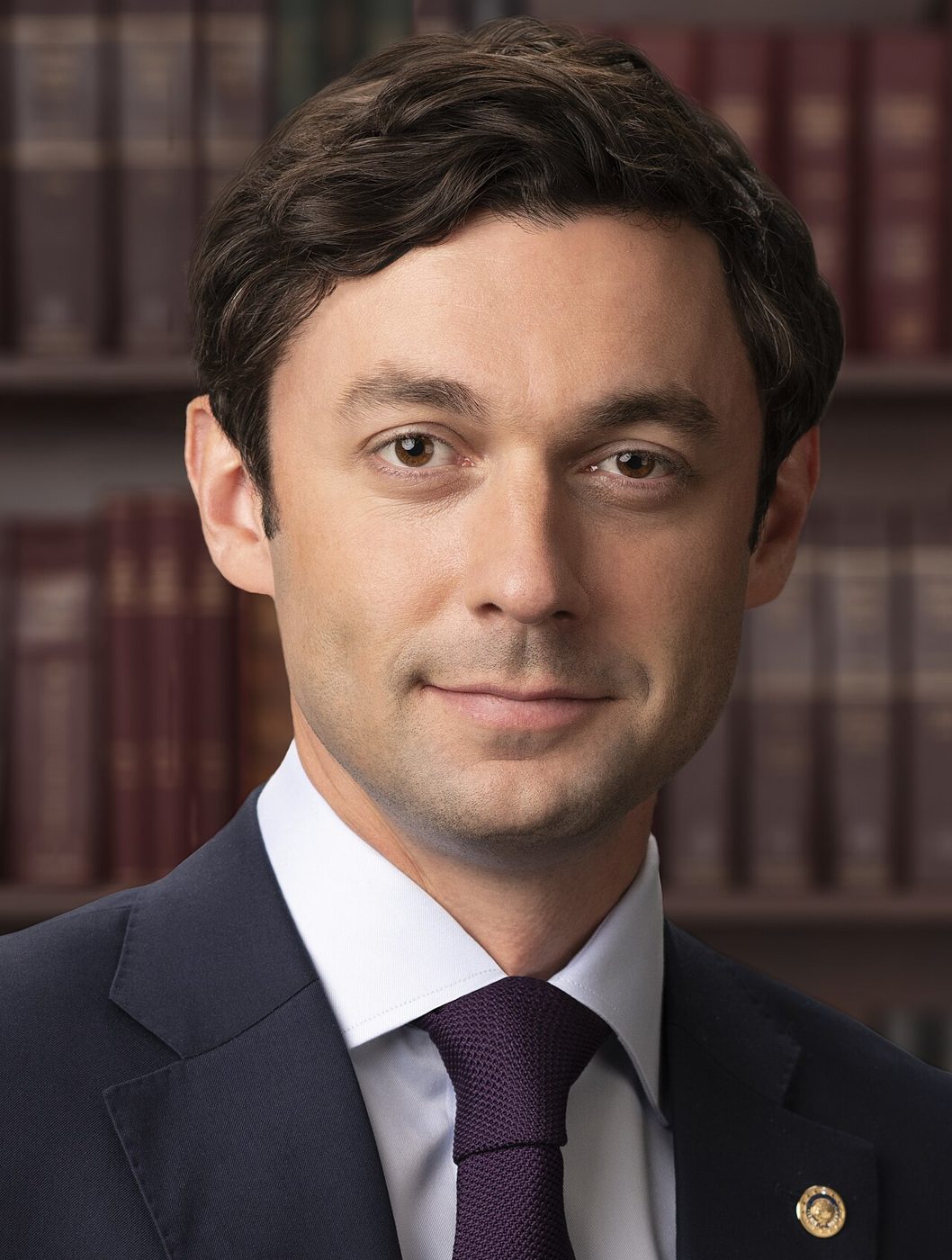
Kingston Mouth's favourite: Senator Jon Ossoff of Georgia
Kingston Mouth's favourite to lead the Democratic challenge to Trump and his movement is Georgia's charismatic Senator Jon Ossoff — and after Tuesday night, he looks like the front runner.
Ossoff, 39, was the only Democratic senator seeking re-election in a state Trump won in 2024. Republicans once saw his seat as their easiest pickup. Instead he beat Trump-endorsed Congressman Mike Collins and held a polling and fundraising lead throughout. He entered the year as the top fundraiser of any Senate candidate in either party, with donations from 157 of Georgia's 159 counties.
His victory night message was blunt: in his words, Americans had rebuked the corruption and incompetence of a failed lame-duck president. He also struck a unifying note, telling supporters never to doubt that unity is possible.
Why he stands out
- Swing-state proof. He wins in Georgia, a battleground the next Democratic nominee must carry.
- Bridge-builder. Commentators see him as a candidate who can unite the party's progressive and moderate wings.
- Momentum. Through 2026, prediction markets moved him to the top tier for the 2028 nomination, alongside Alexandria Ocasio-Cortez and ahead of an early favourite, Gavin Newsom. Clips of his speeches spread widely, and comparisons with Barack Obama's rapid rise from the Senate are now common.
- Georgia's twin power. He returns alongside Senator Raphael Warnock, Georgia's first Black senator, who is also rumoured to be weighing a run — and now Governor-elect Keisha Lance Bottoms.
The caveats. Ossoff has repeatedly said he has "zero interest" in running in 2028 and intends to serve his full six-year term. No Democrat has yet declared, and candidates typically announce after the midterms. Trump himself cannot stand again under the 22nd Amendment, so 2028 will be a contest against his chosen successor and the movement he built. But Obama, too, insisted two years before 2008 that he was not running. Kingston Mouth will be watching closely.
The view from here
The 2026 midterms were a referendum on Donald Trump, and he lost it. From Texas to Maine, voters chose checks and balances — and elected a new generation that looks more like America than any before it.
For the diaspora in London, Kingston and beyond, the lesson is familiar: no political monopoly lasts for ever when people organise and turn out. The next two years in Washington will be about accountability. The race for 2028 starts today — and Kingston Mouth believes the man to watch is Jon Ossoff.
Some races, including Alaska and a number of House seats, were still being counted at the time of writing.
What do you think? Was this the rebuke Trump deserved, or will Republicans bounce back? Is Jon Ossoff the leader the Democrats need for 2028? And what should the Caribbean and the diaspora expect from a Democratic Congress? Share your views in the comments below.
Donovan Reynolds is a trained diplomat and the founder of Kingston Mouth. He is the author of River Tales and Environmental Realities, available on Amazon and Kindle.
Sources
- CBS News live results
- NBC News midterm highlights
- NPR: Democrats win full control of Congress
- CNN live: Democrats take control of Congress
- TIME: Talarico wins Texas Senate race
- Houston Public Media: Talarico ends GOP streak
- Axios: historic firsts
- CNN: historic firsts of 2026
- France 24: surge of historic firsts
- Al Jazeera: Ossoff wins Georgia
- NBC News: Ossoff cruises to re-election
- Federal News Network: Ossoff in 2028 prediction markets
- GMF: More turbulence ahead for transatlantic relations
- Business Today: Jefferies on tariffs after the midterms
- BISI: US policy shifts leave the Caribbean exposed
- Arab News / AP: Jamaica third-country deportee talks
- Stateline: voters blame tariffs for rising costs
- Kuwait Times / AFP: cost of living tops voters' concerns
Get Kingston Mouth in your inbox
Donovan Reynolds' latest articles and videos on Jamaica, the UK and the world, plus occasional sponsored offers. Unsubscribe any time.
Enjoyed this? Kingstonmouth.com is independent and reader-supported.
☕ Buy us a coffee
Comments
Loading comments…
Leave a comment