
Passports for Sale: Can the Caribbean Survive Europe's Golden Passport Crackdown?
By Donovan Reynolds, Kingston Mouth
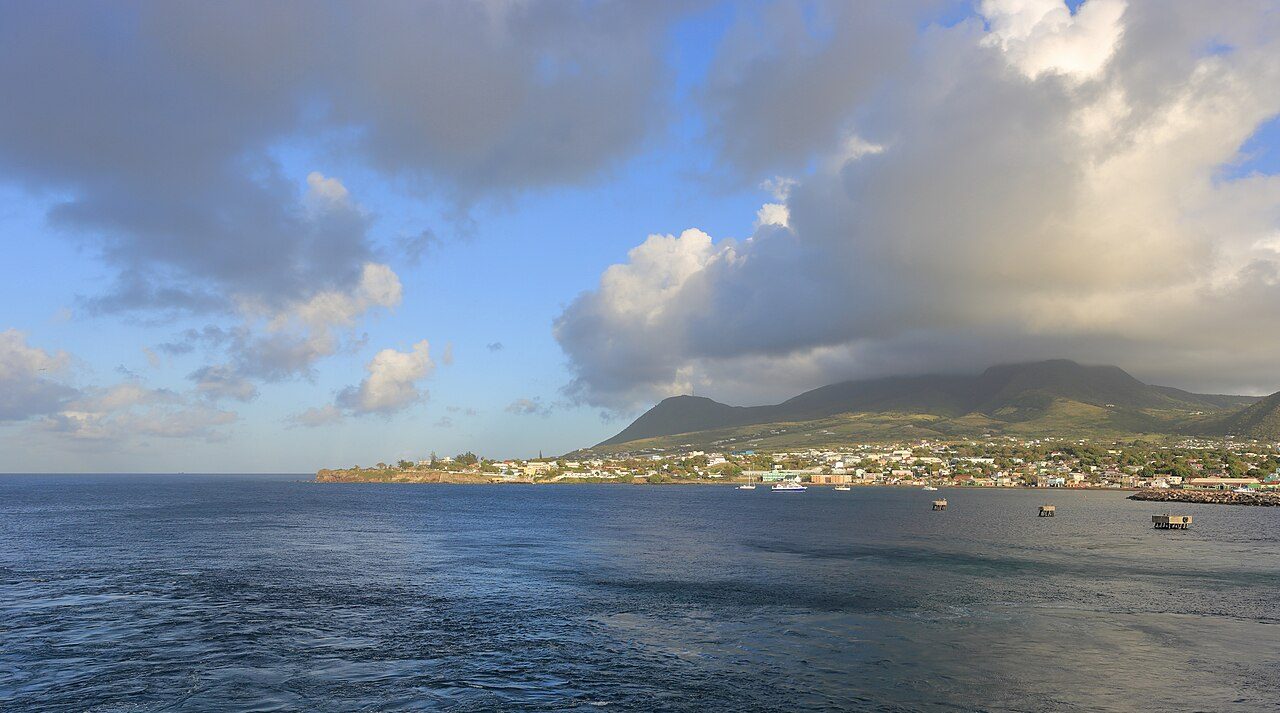
For a few hundred thousand dollars, a stranger can become a citizen of a Caribbean nation without ever living there. For the small island states that sell this privilege, the money has paid for hospitals, housing and hurricane recovery. For Europe, it has become a security problem it no longer wants to tolerate. Now the two sides are heading for a confrontation that could decide whether some of the region's smallest economies can balance their books.
What is at stake
Five Eastern Caribbean countries run citizenship by investment (CBI) programmes: Antigua and Barbuda, Dominica, Grenada, St Kitts and Nevis, and St Lucia. Applicants make a donation to a national development fund, or buy into approved real estate, and in return receive a passport for themselves and often their families.
In 2024 the five agreed a common minimum price of US$200,000, ending years of discounting as they competed for the same buyers. Today the main donation ranges from about $200,000 in Dominica to $250,000 in St Kitts and Nevis. Together, the programmes are estimated to have issued around 107,000 passports.
For some of these islands, the income is not a bonus. It is the budget. In Dominica, citizenship revenue reached 37 per cent of GDP in 2022/23. The International Monetary Fund has warned the island to reduce its "over-reliance" on the programme, noting that without it the government's primary balance would be in deficit. Antigua and Barbuda calls its programme a vital source of non-tax revenue that cannot simply be switched off.
What buyers are really paying for is mobility. A passport from these countries offers visa-free travel to the European Union's Schengen area and much of the world. That is precisely what Europe now wants to take away.
Europe's case
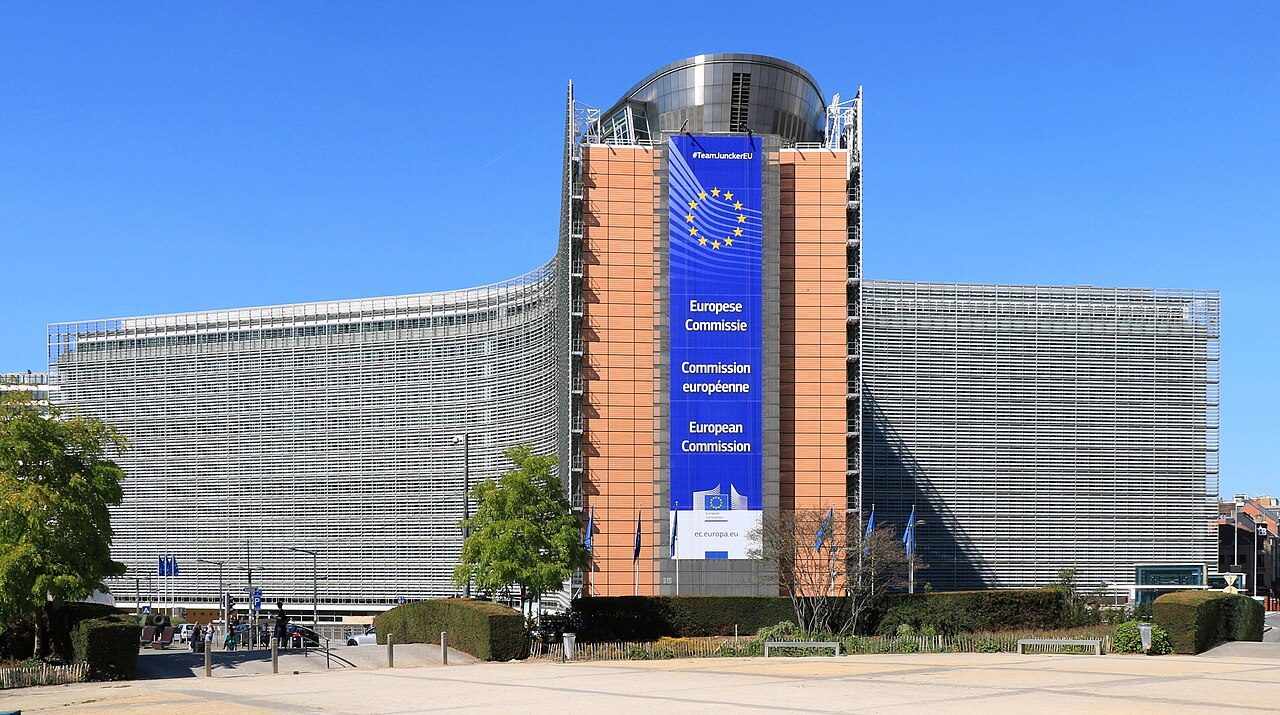
In a letter dated 25 June 2026, the European Commission asked all five governments to wind down their programmes by 1 June 2028, with a 24-month transition. In the meantime, it wants tighter screening in place and anyone under EU sanctions excluded.
The pressure has teeth. A change to EU rules in December 2025 made running a citizenship-for-sale scheme a ground, on its own, for suspending visa-free travel. The 2028 date is not an automatic cut-off, as suspension would need a separate EU decision, but the direction is clear. Citizenship already granted would not be revoked. The real risk is that every citizen of these islands, including those who never bought anything, could lose easy access to Europe.
Brussels' argument is straightforward. It says these passports give people who would normally need a visa a route into Europe without any genuine connection to the country that issued them. It points to fast processing and low refusal rates, such as 1.7 per cent in Antigua and Barbuda in 2024, and concludes that even a higher price and better checks do not remove the security risk.
Europe has already shown it will act. It has moved to suspend visa-free access for Vanuatu, a Pacific state, over its own citizenship programme.
Washington is applying pressure too. Since January 2026, the United States has partly restricted entry for nationals of Antigua and Barbuda and Dominica, explicitly citing citizenship sales without any residency requirement. Visitor visas for both countries have been cut to three months, single entry.
The Caribbean's case
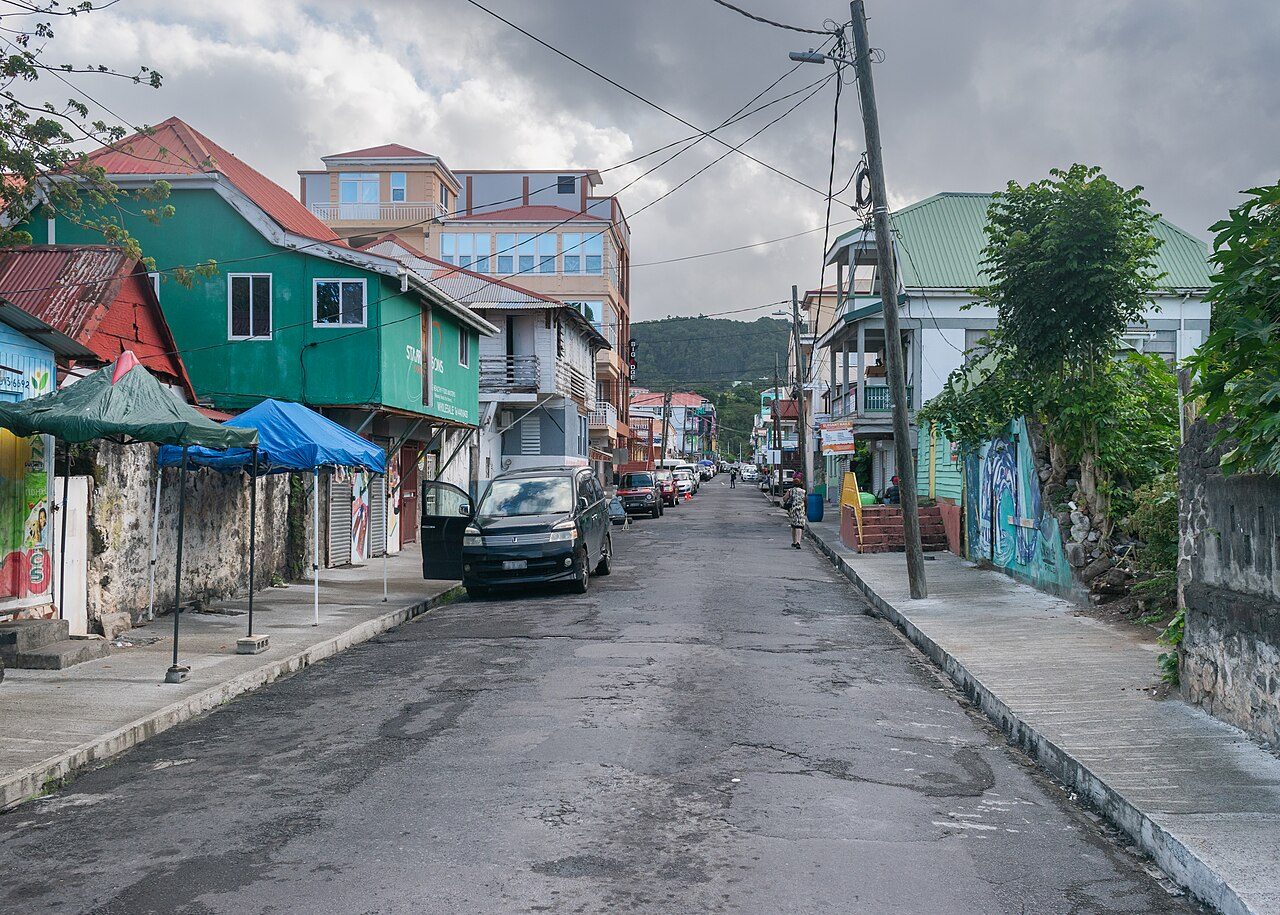
The five leaders met in Roseau, Dominica, on 10 July 2026 and gave a united answer. They did not accept the deadline. They argued that citizenship revenue pays for infrastructure, healthcare, education, housing, disaster recovery and climate resilience, and said any transition must be backed by new financing and closer economic cooperation with Europe. A diplomatic delegation to Brussels is planned.
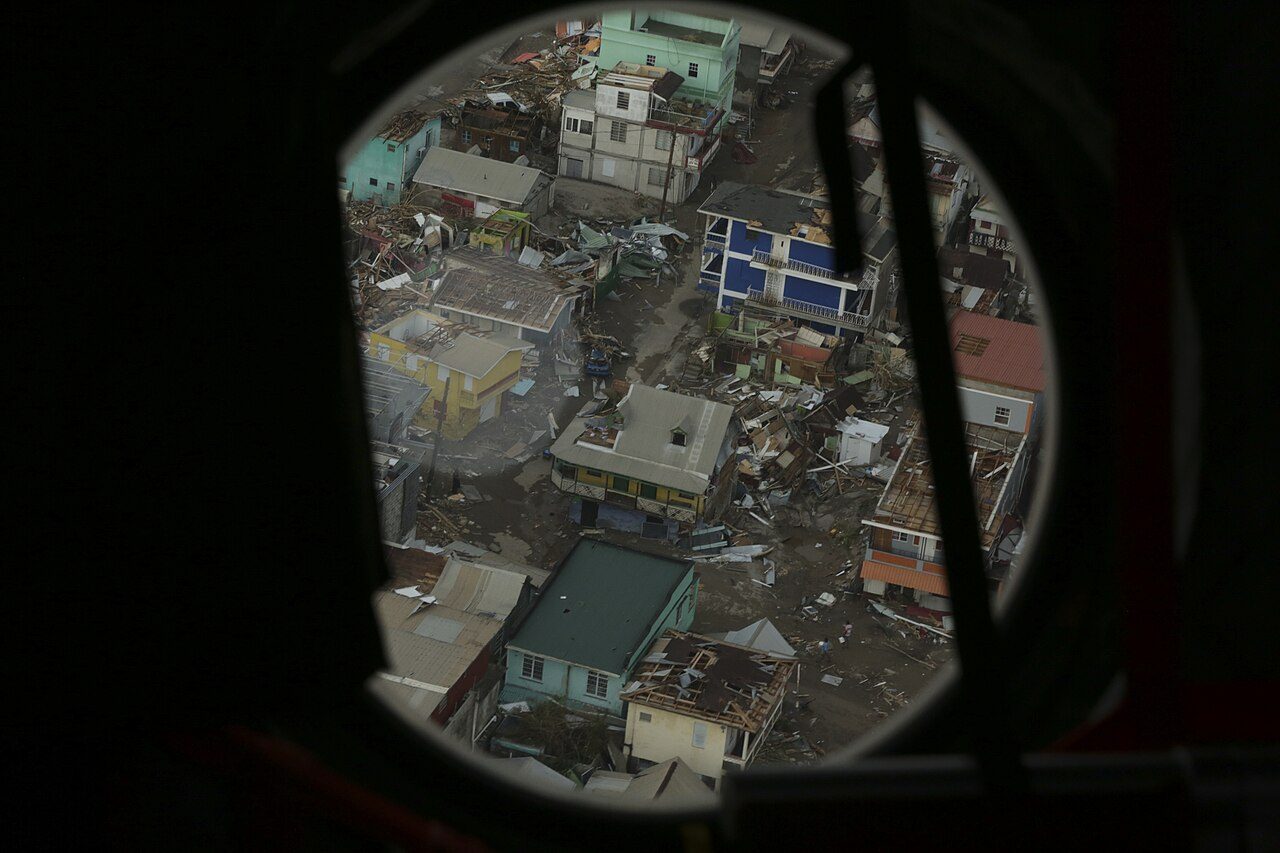
Their position deserves to be taken seriously. These are some of the smallest states on earth, with narrow economies built on tourism and agriculture and few other sources of income. They sit in the path of ever-stronger hurricanes. When Hurricane Maria devastated Dominica in 2017, citizenship money helped pay for the rebuilding, including new hurricane-resistant homes.
There is also a question of fairness. Europe has contributed vastly more to the climate crisis than the Caribbean ever has, yet it is asking island states to give up one of their few reliable tools for paying the bill. Several EU member states have run their own investor residence schemes for years. Small states may reasonably ask why a practice that funds a seawall in the Caribbean is a security threat, while a property-linked residence permit in Europe was, for so long, simply good business.
At its heart, this is a debate about sovereignty. Deciding who becomes a citizen is one of the most basic powers of an independent state. Being told by a far larger power to stop using it, on pain of losing access for your whole population, is an uncomfortable reminder of how unequal the relationship remains.
The uncomfortable questions
None of this means the programmes are beyond criticism. If the Caribbean wants a fair hearing in Brussels, it must face some hard questions honestly.
Who is buying? A passport is only as trustworthy as the checks behind it. Years of investigative reporting have found buyers who were later shown to be under investigation, sanctioned or using new identities. Each case damages the reputation of every honest citizen who travels on the same passport.
Where does the money go? Citizenship revenue often sits outside normal budget scrutiny, in special funds whose spending is not always reported clearly. The IMF has flagged weak transparency as a risk. If the money is building hospitals and homes, governments should be able to show it, line by line.
Was the price war a mistake? For years the islands undercut one another to attract buyers, with discounts that rewarded speed over scrutiny. The shared $200,000 floor came late, and only after outside pressure.
Who pays the price if it goes wrong? The buyers keep their wealth and can usually travel on other passports. It is ordinary islanders, the nurse, the student and the farmer, who stand to lose visa-free travel if Europe follows through.
The region has started to respond. In 2025, the five countries agreed to create a joint watchdog, the Eastern Caribbean Citizenship by Investment Regulatory Authority (ECCIRA), headquartered in Grenada. It is meant to bring in biometrics, interviews, a shared applicant database, annual compliance reports and fines. But as of August 2026 it was not yet operating, and Europe is unlikely to be persuaded by reforms that exist only on paper.
A way forward
Neither outright defiance nor quiet surrender serves the region. A better path would combine reform at home with hard bargaining abroad.
- Make the regulator real, now. Ratify ECCIRA, staff it, and publish its first compliance findings without further delay. Credible, independent oversight is the strongest argument the region has.
- Open the books. Publish each programme's annual income, refusal rates and spending by project. Transparency costs nothing and would answer critics at home as well as in Brussels.
- Add a genuine connection. Residence requirements, even short ones, would weaken Europe's central objection that buyers have no real link to the country.
- Negotiate as one. The five states, backed by CARICOM and the OECS, should insist that any wind-down comes with a transition package, whether through climate finance, development funding or trade access, that replaces lost revenue rather than simply removing it.
- Plan for life after passports. Even if the programmes survive, pressure will only grow. Revenue should be used to build economies that need it less: renewable energy, the blue economy, digital services and climate-resilient tourism.
Conclusion
Citizenship by investment was always a bargain between small states with few options and wealthy buyers seeking freedom of movement. For decades the bargain held, and it funded real progress. But the world it relied on is changing, and the islands now face a choice between reforming the programmes on their own terms or having the terms set for them.
Europe, for its part, should remember that a security policy that leaves vulnerable island states unable to rebuild after the next hurricane is no security at all. If Brussels wants these programmes to end, it must help pay for what comes next.
What do you think: should the Caribbean keep selling citizenship, or is it time to move on? Share your views in the comments.
Sources
- Caribbean CBI under ultimatum: the EU's 2028 deadline and US entry restrictions — Private Law
- EU threatens to suspend visa-free access for five Caribbean countries — VisasNews
- EU urges Caribbean nations to shut down golden passport programs — CNBC, 6 Aug 2026
- Dominica CBI revenues at 37% of GDP: IMF warns of over-reliance — IMI Daily
- EU halts visa-waiver program with Vanuatu — Uglobal
- Caribbean nations sign agreement creating regional CBI regulatory authority — IMI Daily
- St Kitts and Nevis: 2024 Article IV Consultation — IMF
Get Kingston Mouth in your inbox
Donovan Reynolds' latest articles and videos on Jamaica, the UK and the world, plus occasional sponsored offers. Unsubscribe any time.
Enjoyed this? Kingstonmouth.com is independent and reader-supported.
☕ Buy us a coffee
Comments
Loading comments…
Leave a comment