
Kemi Badenoch Is Wrong About Reparations, and the Caribbean's Long Record Proves It
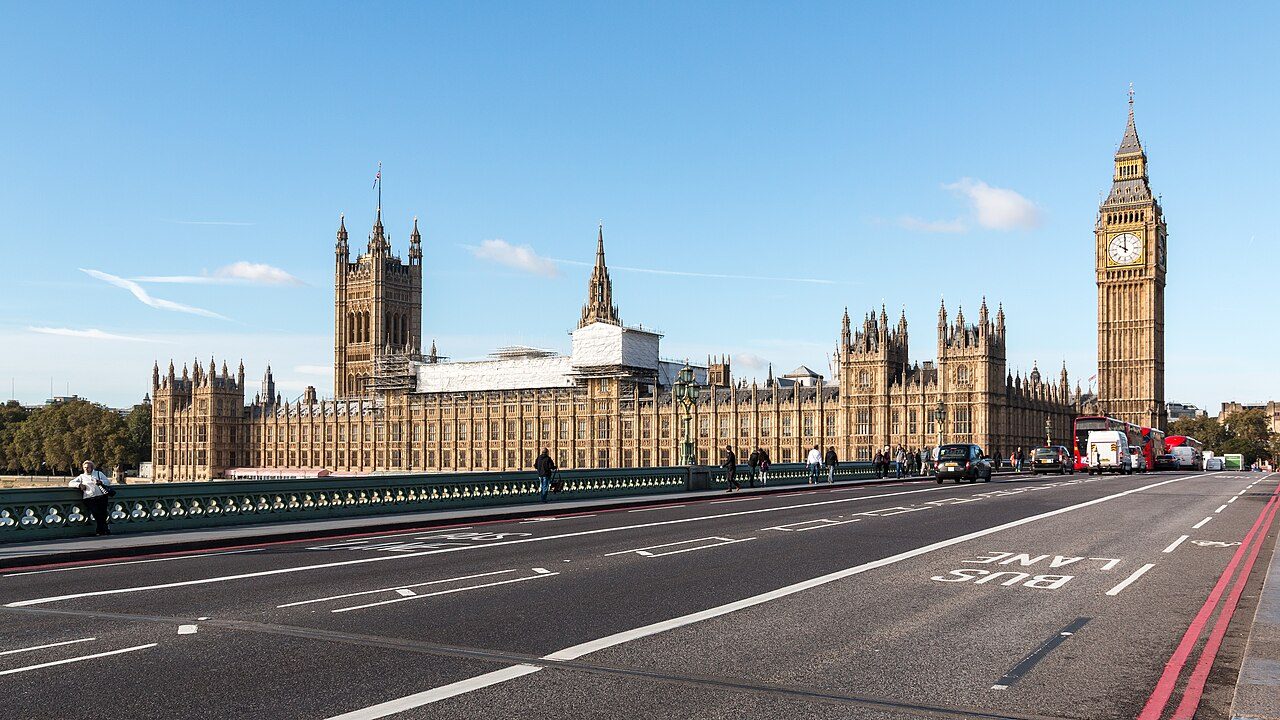
As King Charles tours the Caribbean, the Leader of the Opposition has dismissed the call for a British apology for slavery and cast the Prime Minister as the nation's "chief apologiser". Kingston Mouth believes her case rests on a misreading of the constitution, of the Caribbean's demands, and of history.
What has happened
This weekend Prime Minister Andy Burnham signalled a marked change in Britain's position. Writing in The Guardian, he said he was open to a formal state apology for Britain's role in the transatlantic slave trade, offering a structured dialogue with affected countries, while ruling out financial reparations.
Caribbean leaders responded warmly. Barbados' Prime Minister Mia Mottley welcomed his openness, Antigua and Barbuda's Gaston Browne called it significant, and The Bahamas' Philip Davis welcomed the change while noting that differences over reparations remain.
The Conservative leader, Kemi Badenoch, took the opposite view. Speaking to Sky News, she warned that the Prime Minister could create pressure on the King by going further than the Sovereign, and said he should be focusing on security and economic partnerships at the Commonwealth summit, "not apologies and reparations. We've had enough of that." She wants a Prime Minister who defends the country, she said, not a "chief apologiser".
We disagree, for three reasons.
Mistake one: an apology does not undermine the King
Mrs Badenoch suggests the Prime Minister risks putting the King under pressure. Yet in Britain's constitutional monarchy, the Sovereign does not make government policy. Ministers do. Whether the British state apologises is a decision for the elected government, answerable to Parliament, which is exactly where Mr Burnham has placed it.
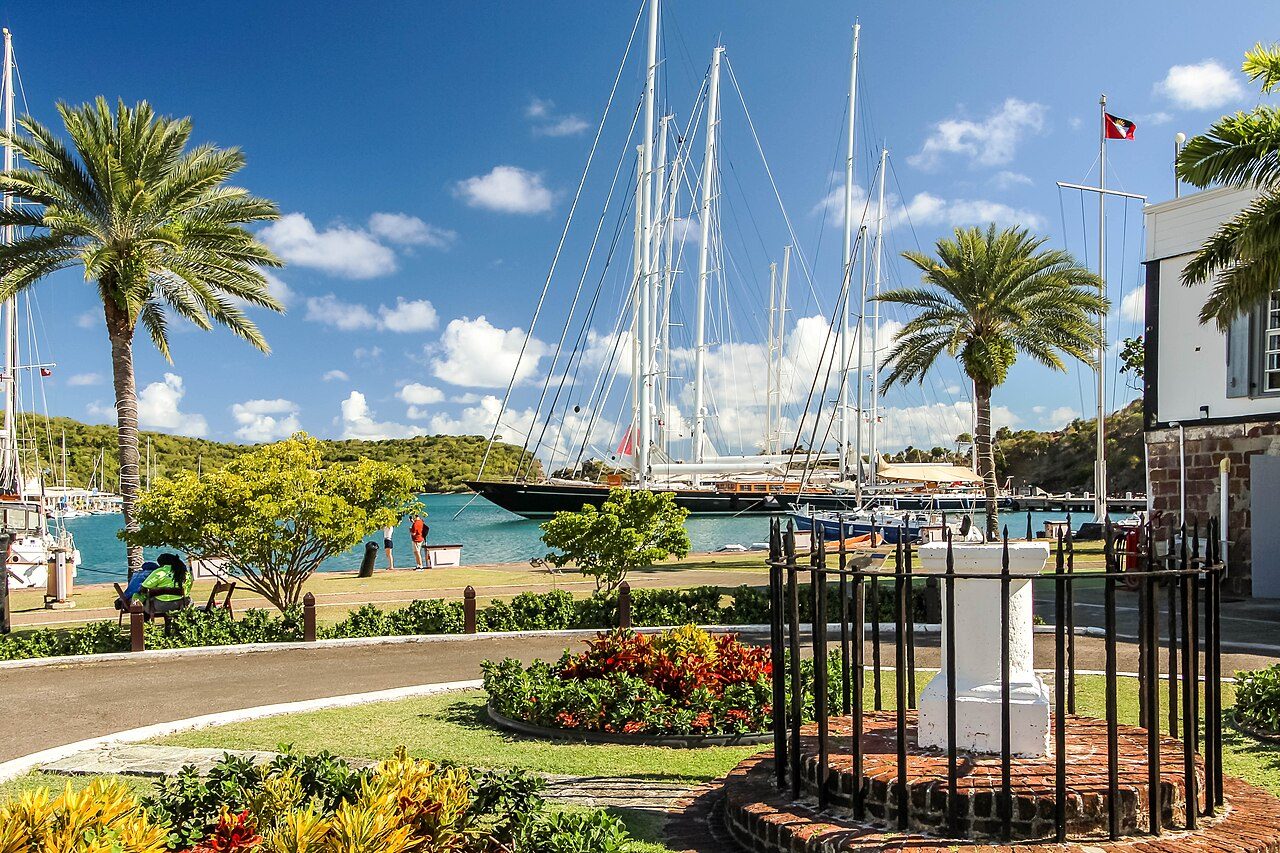
Buckingham Palace has itself drawn this line. It has said the King will address the most shameful aspects of the past when he opens the Commonwealth summit in Antigua, speaking as Head of the Commonwealth, while making clear he will not comment on UK government policy. The King has already acknowledged the great suffering of the enslaved during this tour. A government taking responsibility for its own policy does not undermine the Crown. It spares the Crown from carrying a burden that belongs to ministers.
Mistake two: reparations are not a request for a handout
The Conservative leader treats the Caribbean's call above all as a claim on the British taxpayer. Asked on Sky News what the problem would be with Britain saying sorry, she replied: "It's because of what will happen next," arguing that an apology would give countries grounds to ask Britain for money. She has called the debate a "navel-gazing distraction", and according to reports of her post on X, she has also suggested that some political elites in the region use the history of slavery to deflect attention from their present-day economic problems.
That framing implies the Caribbean is reaching for history to cover its finances, and on this we believe she is plainly wrong. The same post questioned whether Caribbean countries would also seek apologies from the descendants of African rulers and merchants who sold captives. Reparations scholars have never denied that African elites took part in the trade. But it was Britain whose laws made slavery legal in its colonies, whose ships carried millions across the Atlantic, and whose economy grew rich on the sugar they produced. Shared guilt does not cancel responsibility.
Both framings misread the Caribbean's case. The CARICOM Reparations Commission's Ten-Point Plan, adopted in 2014, begins with a full formal apology and goes on to seek investment in public health, education and cultural institutions, debt relief and technology transfer: a programme of repair and development, not a cheque. Bell Ribeiro-Addy, who chairs the All-Party Parliamentary Group for Afrikan Reparations, has pointed out that, as far as she knows, no invoice for financial reparations has ever been presented to the UK.
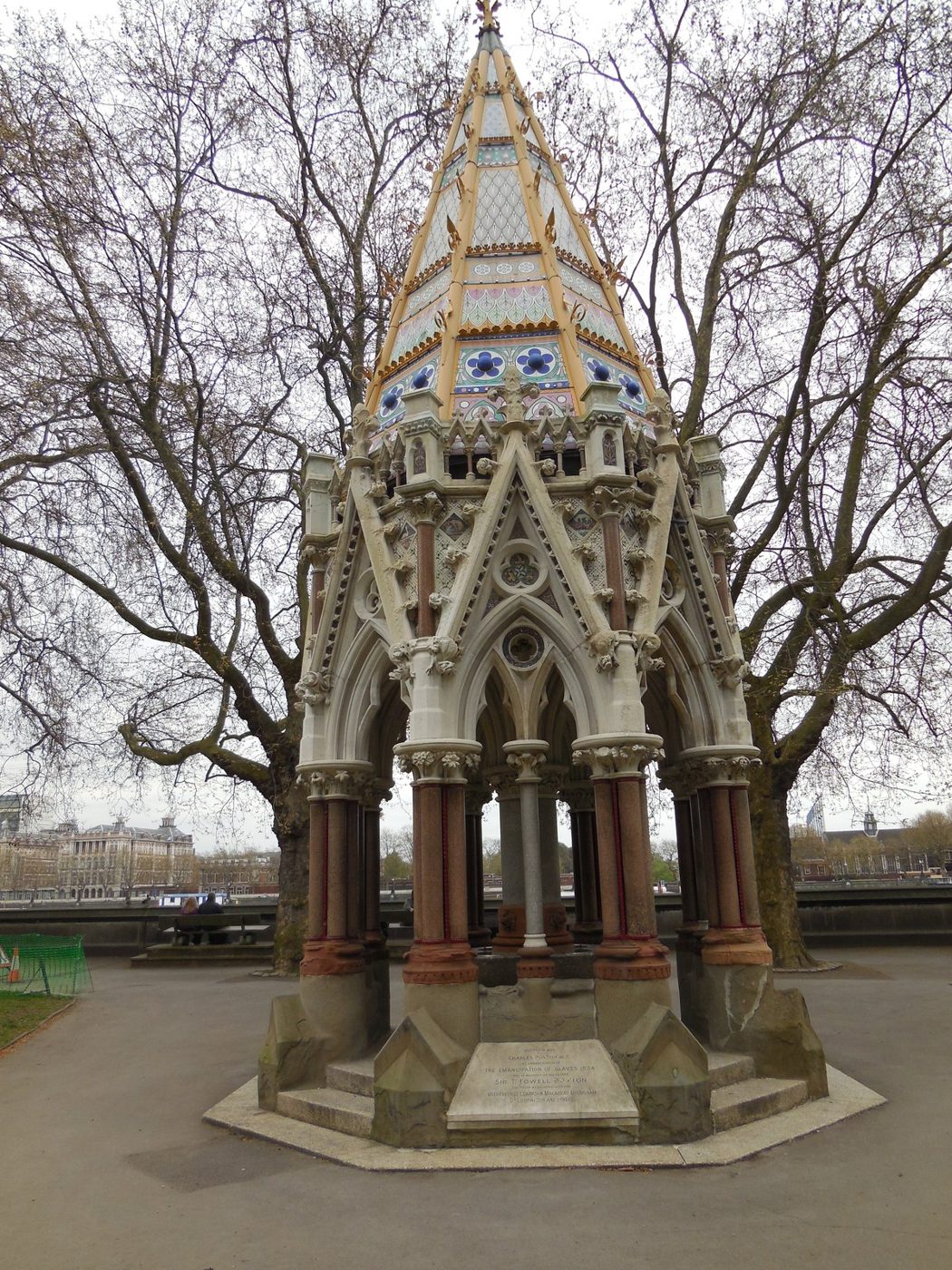
There is also an uncomfortable irony. When Britain abolished slavery in 1833, it compensated the slave owners, not the enslaved. The government borrowing used to fund those payments was not fully paid off until 2015, which means generations of British taxpayers, including many descendants of the enslaved, helped pay for it. Britain has never treated money and slavery as unconnected. It has simply paid the wrong people.
Mistake three: "enough" of something that has never happened
"We've had enough of that," Mrs Badenoch said of apologies. But Britain has never formally apologised for slavery. Tony Blair expressed deep sorrow and regret in 2007. David Cameron, visiting Jamaica in 2015, rejected reparations and urged the region to move on. Rishi Sunak dismissed calls for an apology in 2023, and Keir Starmer ruled out compensation in 2024. Expressions of regret are not an apology, and successive refusals are not a conversation that has run its course. It has barely begun.
A long road, repeatedly interrupted
The claim that reparations are a sudden, opportunistic demand ignores how long the Caribbean and the wider African world have pursued this cause, and how often events have pushed it aside.
In September 2001, the UN World Conference against Racism in Durban recognised slavery and the slave trade as a crime against humanity. Days later, the attacks of 11 September transformed the global agenda. The "war on terror", the invasion of Iraq in 2003 and the financial crisis of 2008 dominated international diplomacy for the following decade, and the reparations question was pushed to the margins.
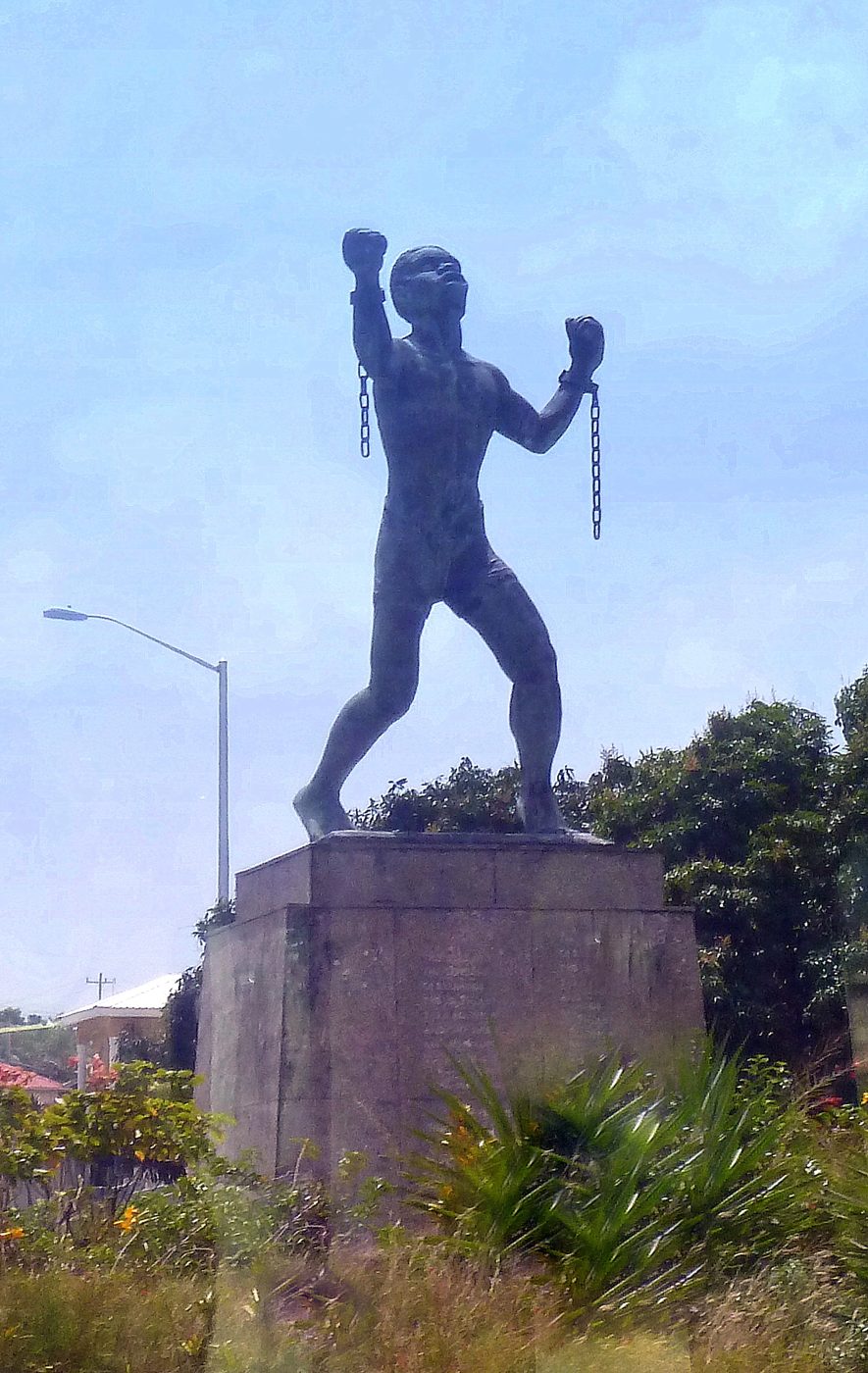
The Caribbean did not let it go. In 2013, CARICOM heads of government established the CARICOM Reparations Commission, which published its Ten-Point Plan the following year. Then the COVID-19 pandemic forced every government to focus on survival. What we are seeing now is not a new demand born of hard times. It is a long-standing claim returning to the agenda after twenty years of interruption, led by governments that never abandoned it.
As pan-Africanists, we at Kingston Mouth believe the question deserves a full and open debate, in Parliament, in the Commonwealth and in our communities, not dismissal.
Justice and shared interests go together
Mrs Badenoch is right that the Commonwealth should be about shared interests: security, trade and partnership. But trust is the foundation of every partnership, and trust is built through honesty about the past. Downing Street itself reportedly sees stronger Commonwealth ties as vital at a time when China and Russia are courting developing nations. A Britain that can say sorry for the gravest wrong in its history is a more credible partner, not a weaker one.
The Prime Minister has, in our view, still stopped short: openness to an apology is not yet an apology, and ruling out any discussion of repair will disappoint many in the region. But he has opened a door that his predecessors kept shut.
A closing word
When the King rises to speak in Antigua, he will stand in a region that has waited generations to hear Britain acknowledge, in full, the wrong done to its people. An apology costs nothing in money but means a great deal in dignity. Mrs Badenoch calls it weakness. We call it the beginning of an honest relationship.
Where do you stand? Share your view in the comments or on the Kingston Mouth Facebook page.
Donovan Reynolds is the founder of Kingstonmouth.com and a trained diplomat.
Sources
- Royal Central: King caught in political crossfire as Prime Minister accused of putting pressure on him
- BusinessDay: UK opens door to slavery apology but rules out financial reparations
- NBC News: UK PM Andy Burnham open to apologizing for slave trade
- LBC: Burnham warned formal apology will open door to reparations demands
- CBC: Will King Charles's reign open the door for slavery reparations in the Caribbean?
- Nation.Cymru (PA): Burnham warned formal apology for slavery will open door to reparations demands
- Nation.Cymru (PA): Badenoch says talk of formal UK slavery apology is 'navel-gazing distraction'
- Parrot Nigeria: report of Badenoch's post on X
Get Kingston Mouth in your inbox
Donovan Reynolds' latest articles and videos on Jamaica, the UK and the world, plus occasional sponsored offers. Unsubscribe any time.
Enjoyed this? Kingstonmouth.com is independent and reader-supported.
☕ Buy us a coffee
Comments
Loading comments…
Leave a comment