
Faustian Pact or Pragmatic Diplomacy? Why the Caribbean Is Right to Hedge
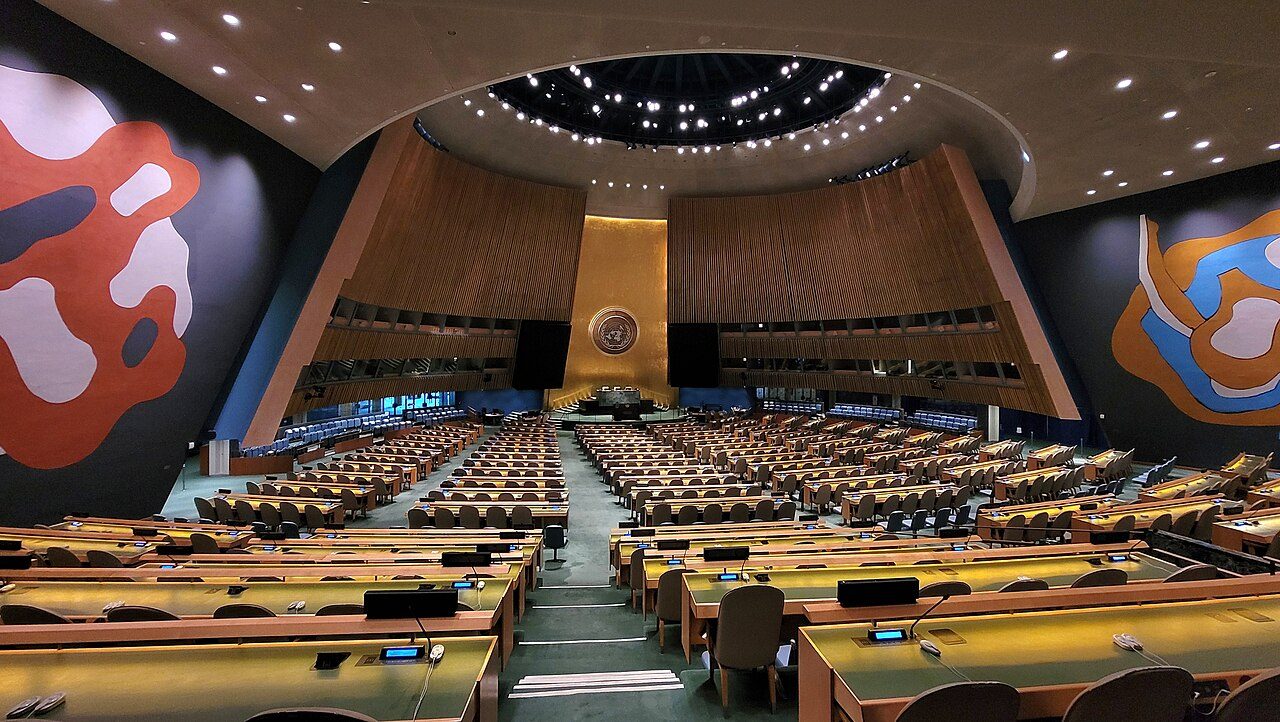
When three CARICOM governments stepped back from their usual vote on Cuba at the United Nations this week, some called it a Faustian pact with Washington. I see something different: small states doing what small states must do in a harder world, which is to protect their people's interests without burning any bridges.
The accusation
On 28 October, the UN General Assembly once again called for an end to the United States embargo on Cuba. The resolution passed comfortably, by 130 votes to 17 with 25 abstentions, but with its weakest support in two decades. For the first time, a CARICOM member voted against it: Trinidad and Tobago. Jamaica, Guyana and Haiti abstained.
The reaction across the region has been fierce. Critics have spoken of betrayal, of regional solidarity sold for favour in Washington. Havana accused the US of pressuring governments to change their votes. I confess I was tempted by the phrase myself: a Faustian pact.
But on reflection, and with the instincts of someone trained in diplomacy, I believe that phrase gets it wrong. A Faustian bargain means surrendering your principles for short-term gain. What we saw this week looks to me far more like careful calculation by governments managing difficult relationships on behalf of their citizens.
Three votes, three calculations
The first thing a diplomat learns is to read the vote, not the headline. Lumping these governments together hides real differences in what each one did, and why.
| CARICOM member(s) | Vote | Reason given |
|---|---|---|
| Trinidad and Tobago | Against | The Prime Minister said her government would not support a military dictatorship, and that Cubans deserve democratic freedoms |
| Jamaica | Abstained | Opposes unilateral measures under the UN Charter, but argued that repeating the same resolution each year had not eased Cuba's humanitarian crisis |
| Guyana | Abstained | No public explanation yet |
| Haiti | Abstained | No public explanation yet |
| The Bahamas, Barbados, Belize, Grenada, St Kitts and Nevis, St Vincent and the Grenadines, Suriname | In favour | Continued the region's long-standing opposition to the embargo |
| Antigua and Barbuda, Dominica, Saint Lucia | Absent | Not recorded |
Only Trinidad and Tobago actually sided with Washington. An abstention is something quite different: it is the diplomat's way of saying "we have concerns on both sides" without slamming the door on either. Jamaica made precisely that argument, and paired its abstention with continued concern for the Cuban people and support for dialogue between Washington and Havana.
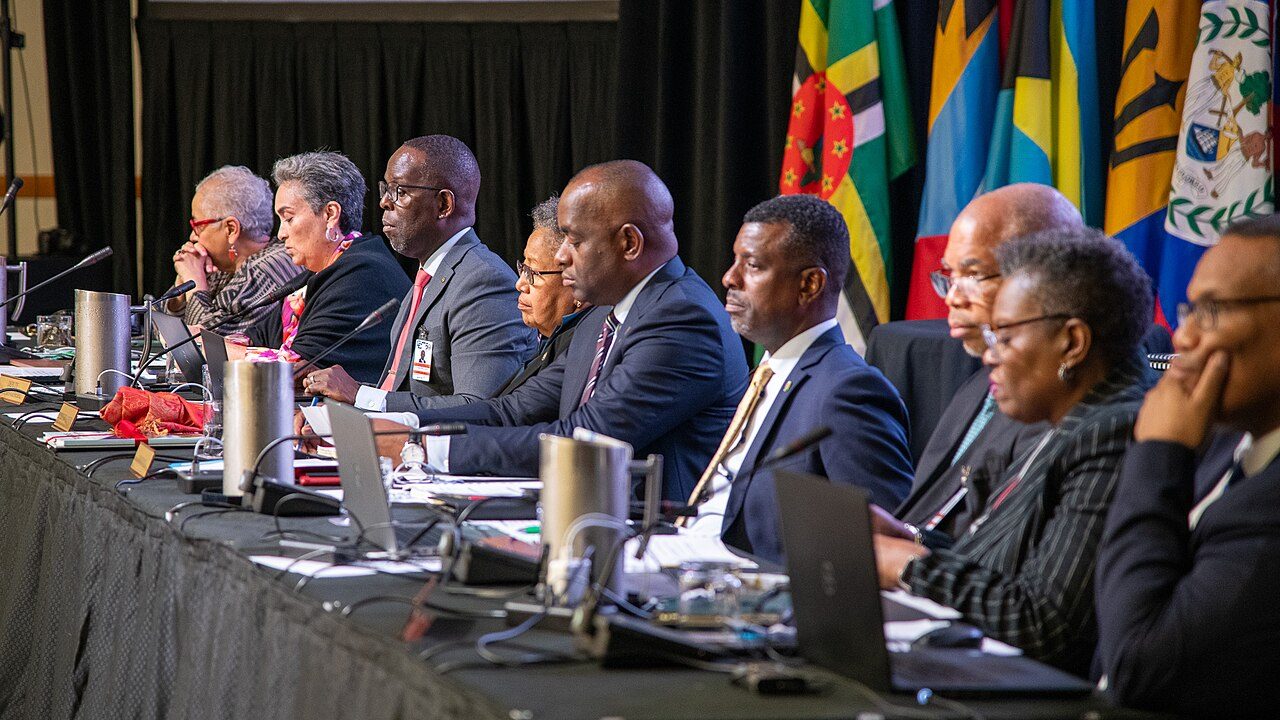
What pragmatic diplomacy means for small states
Large powers can afford grand gestures. Small island states cannot. Our governments must keep the lights on, the ports open and the remittances flowing, while dealing with partners many times our size.
The United States remains our largest trading partner, home to millions in our diaspora, and central to our security against the guns and drugs that flow through the region. In recent months Washington has also used tariffs and deportation agreements as levers. A Caribbean government that ignores those realities is not being principled. It is being careless with its citizens' livelihoods.
Pragmatic diplomacy does not mean abandoning principle. It means choosing which principles to defend, when, and how loudly. It means keeping several doors open at once: to Washington, to Havana, to Brasília, to Beijing and to Brussels. The diplomatic term for this is hedging, and in an uncertain world it is a strength, not a weakness.
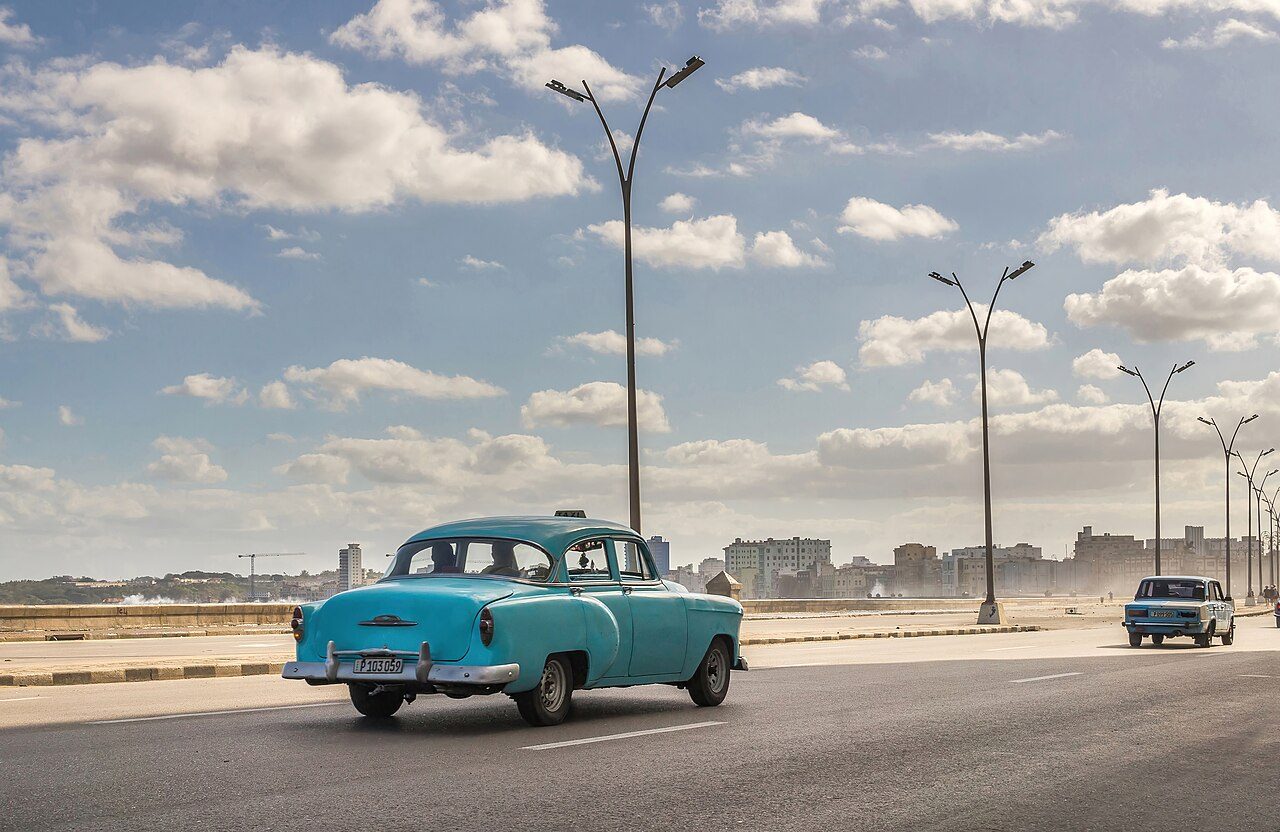
Brazil shows how it is done
If anyone doubts that pragmatism and principle can coexist, look south. Luiz Inácio Lula da Silva has just won a fourth term as Brazil's president. He has long condemned the US embargo on Cuba, and he campaigned on defending Brazil's sovereignty against foreign interference.
Yet Lula is no unconditional ally of Havana. He declined to recognise Nicolás Maduro's claimed victory in Venezuela in 2024, and he kept negotiating with Washington even during sharp disputes with the Trump administration. Brazil's own lending rules now limit new loans to Cuba, leaving humanitarian help as the main channel.
That is pragmatic diplomacy at work: firm in public principle, flexible in practice, and always protecting national interest. When Lula takes office again in January 2027, Brazil will offer the Caribbean an important alternative partner, one that stands with Cuba diplomatically while still doing business with the United States. CARICOM should welcome that, and use it.
Where pragmatism must hold the line
I do not dismiss the critics. They raise fair concerns, and a pragmatist ignores them at his peril.
The first is unity. CARICOM's influence at the UN has always rested on voting as a bloc of fourteen sovereign states. When members split three or four ways, each government becomes easier to pressure one at a time.
The second is credibility. Cuba stood with the Caribbean when it trained our doctors and sent medical brigades in times of crisis. Partners notice who stands by them, and regional goodwill is not easily rebuilt once it is spent.
The third is precedent. If a vote can shift under pressure this year, what might be asked next year? Pragmatism without limits slides into the very dependence its critics fear.
These warnings do not make the case against pragmatic diplomacy. They describe the guardrails it needs.
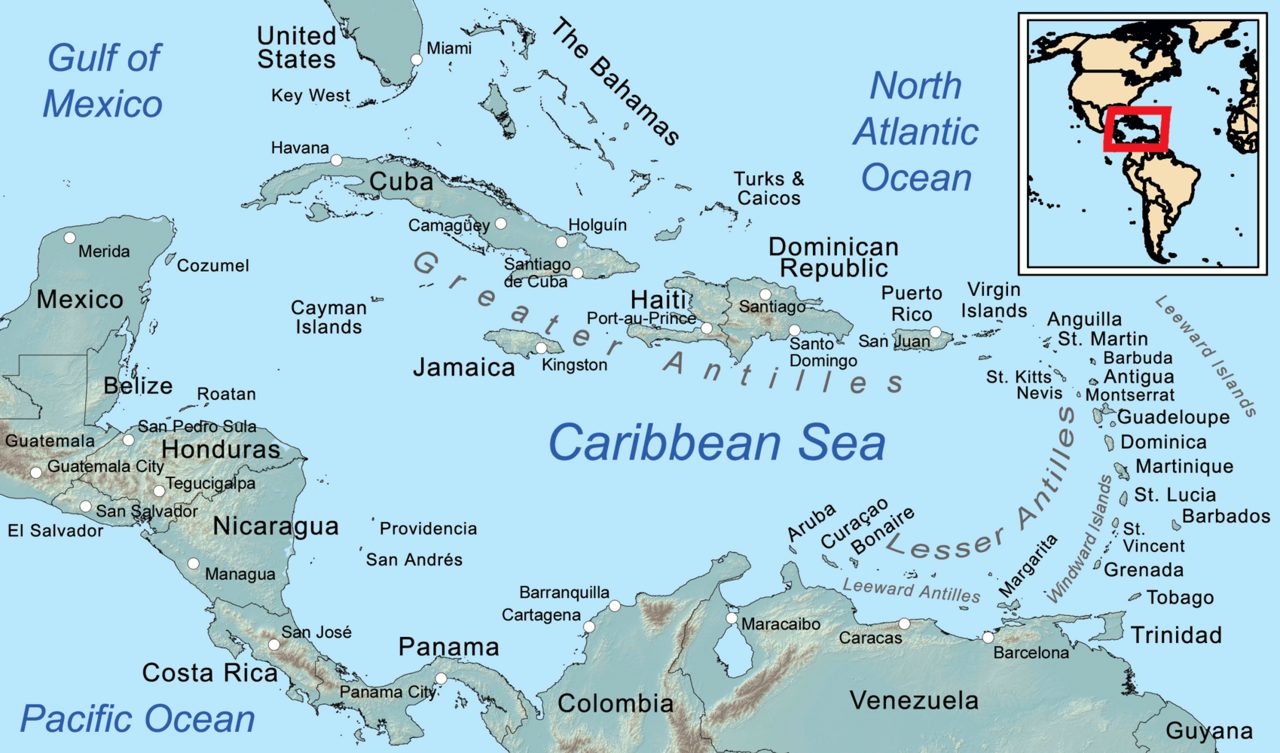
What CARICOM should do next
Pragmatic diplomacy works best when it is coordinated, explained and anchored in shared interests. I would urge our leaders to take four steps.
- Consult before the vote, not after. Members may still differ, but they should know each other's intentions in advance and avoid surprising one another on the world stage.
- Explain decisions openly. Jamaica set out its reasons; Guyana and Haiti have yet to do so. Citizens and neighbours deserve to know how their governments reason.
- Keep faith with the Cuban people. Whatever the vote, CARICOM can lead on humanitarian help to Cuba, and keep pressing Washington and Havana towards dialogue.
- Widen the circle of partners. A renewed Lula government, a Europe seeking Caribbean partners, and our own growing ties across Latin America all give the region more room to manoeuvre. The more partners we have, the less any single one can dictate our choices.
A closing word
Diplomacy is rarely the art of the heroic. More often it is the patient work of keeping friends, managing rivals and buying time for your people. Judged by that standard, what we saw at the UN this week was not a deal with the devil. It was small states navigating a storm, and the test now is whether CARICOM can navigate it together.
This article follows our recent pieces on Jamaica's abstention and on Lula's return. As always, Kingston Mouth wants to hear from you. Do you see pragmatism or capitulation? Share your view in the comments or on our Facebook page.
Donovan Reynolds is the founder of Kingstonmouth.com and a trained diplomat.
Sources
- Caribbean360: CARICOM split as Cuba embargo vote hits 20-year low
- Caribbean National Weekly: CARICOM divided as Trinidad votes against UN resolution
- Caribbean Life: Caribbean split on UN vote to end US embargo against Cuba
- Nature Isle News: how CARICOM members voted
- Trinidad Guardian: PM stands by UN vote
- Jamaica Gleaner editorial: The Cuba UN vote
- CNN: Lula, Brazil's great political survivor, wins again
- Council on Foreign Relations: Brazil's 2026 election
- CiberCuba: Díaz-Canel congratulates Lula
Get Kingston Mouth in your inbox
Donovan Reynolds' latest articles and videos on Jamaica, the UK and the world, plus occasional sponsored offers. Unsubscribe any time.
Enjoyed this? Kingstonmouth.com is independent and reader-supported.
☕ Buy us a coffee
Comments
Loading comments…
Leave a comment