
Lula's Return: Implications of Brazil's Election for the Caribbean
29 Oct 2026 · @Donovan Reynolds
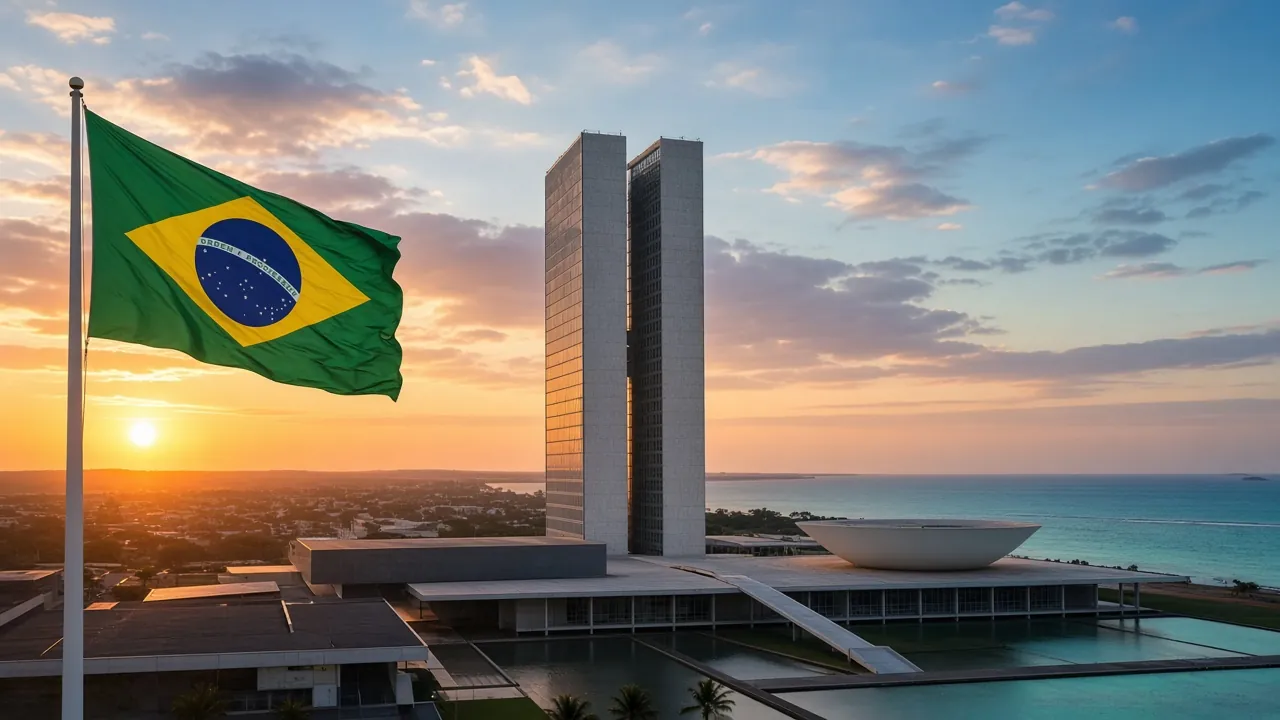
Luiz Inácio Lula da Silva trailed after Brazil's first round, then won the runoff by 4.4 million votes to secure a historic fourth term. This editorial considers what his return means for CARICOM and the wider Caribbean, and what the region should now seek from Brasília.
Why Brasília Matters to the Caribbean
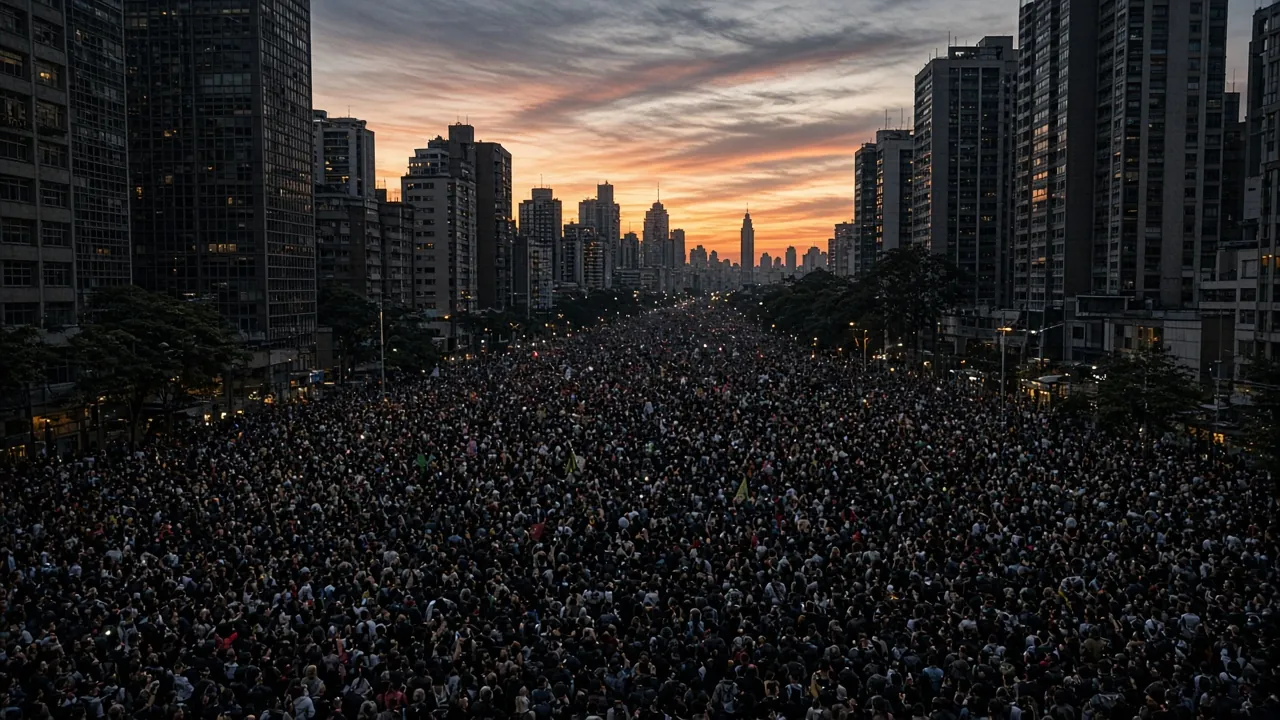
Three weeks ago, many observers had written off President Lula's prospects. On Sunday evening, the 80-year-old former metalworker addressed supporters on Avenida Paulista as the victor in the most remarkable comeback in Brazil's democratic history.
From Bridgetown to Paramaribo, it would be easy to regard this as a distant affair. That would be a misjudgement. Brazil is the largest power on CARICOM's southern frontier. It shares borders with Guyana and Suriname, is a non-borrowing member of the Caribbean Development Bank, and has spent the past three years actively deepening its engagement with the region.
The character of the government in Brasília shapes what is available to Caribbean states: food security cooperation, climate finance, a southern trade corridor, and an influential voice in hemispheric affairs beyond Washington. The outcome is therefore of direct regional interest.
From First-Round Setback to Fourth Term
An unexpected first round. On 4 October, contrary to polling that placed President Lula ahead, Senator Flávio Bolsonaro, eldest son of the imprisoned former president Jair Bolsonaro, finished first with 47.03% of the vote against Lula's 45.16%, a margin of 2.2 million votes. The result reflected public frustration over the cost of living, high interest rates, crime, and a corruption scandal that implicated both camps. Abstention reached its highest level since 1998.
A decisive runoff. Over the following three weeks, the political mood shifted. Lula returned to direct street campaigning, and many voters who had abstained or supported minor candidates mobilised against a return of bolsonarismo. Women, who constitute nearly 53% of the electorate, leaned clearly towards Lula. On 25 October he prevailed with 51.79% to 48.21%, gaining more than 10 million votes. No candidate had previously lost the first round and gone on to win the presidency since direct elections were restored in 1989.
A contested aftermath. Flávio Bolsonaro initially rejected the result and announced he would seek its annulment, citing a two-hour extension of voting, although his own campaign had requested additional time owing to heavy rain. President Trump described the vote as "rigged", without presenting evidence. The Liberal Party nonetheless accepted the outcome, and subsequent reports indicate that Flávio Bolsonaro has conceded while continuing to pursue a legal complaint. Markets reacted nervously, with Brazil's principal US-listed fund falling sharply on the Monday.
Implications for the Caribbean
Continuity for the CARICOM–Brazil agenda. President Lula's third term revived a relationship that had lain dormant. The inaugural CARICOM–Brazil Joint Commission convened in April 2025, and the Brazil–Caribbean summit in Brasília in June 2025 established a programme of work on food security, climate action, energy transition, disaster preparedness and connectivity. A Bolsonaro administration would have had no stake in that agenda; President Lula is its principal author.
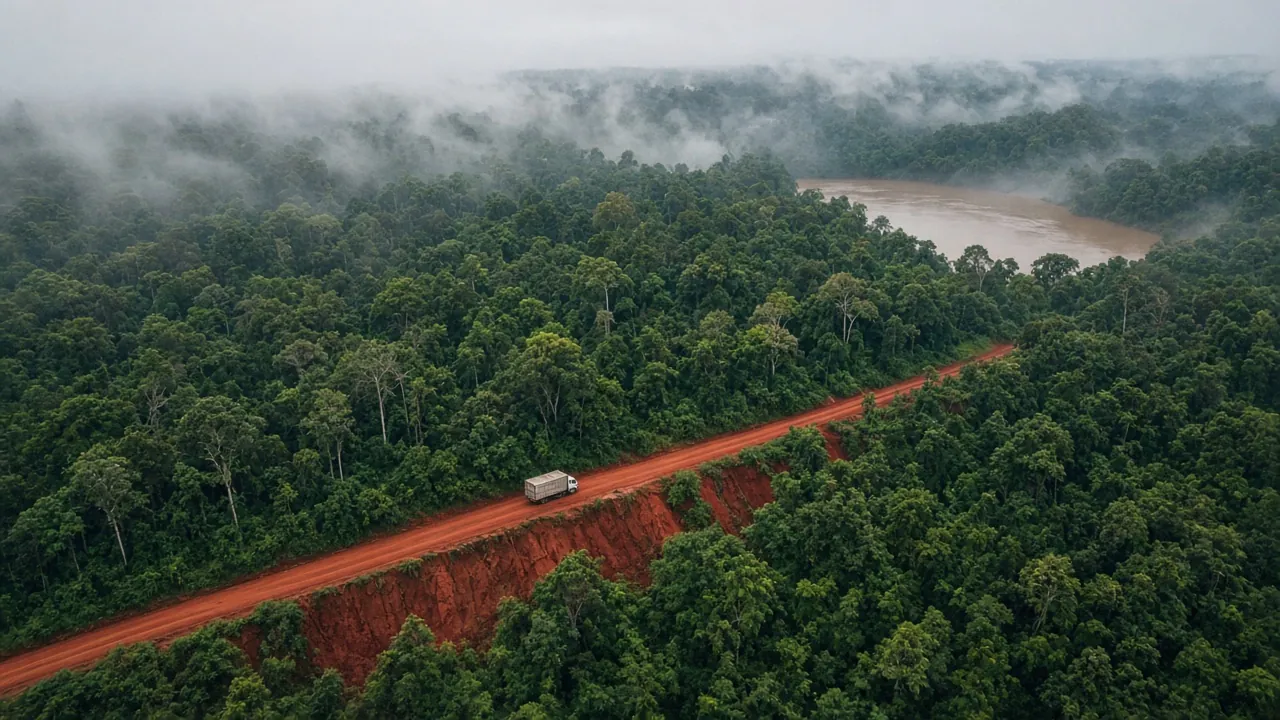
Guyana as the gateway. Trade between Guyana and Brazil has grown from approximately US$58 million in 2020 to roughly US$1 billion this year, and there is discussion of Guyana moving closer to MERCOSUR. President Lula has prioritised the road link across the Guiana Shield, a corridor that could in time carry Brazilian and Caribbean goods in both directions. Progress in Georgetown has the potential to benefit markets across the Community.
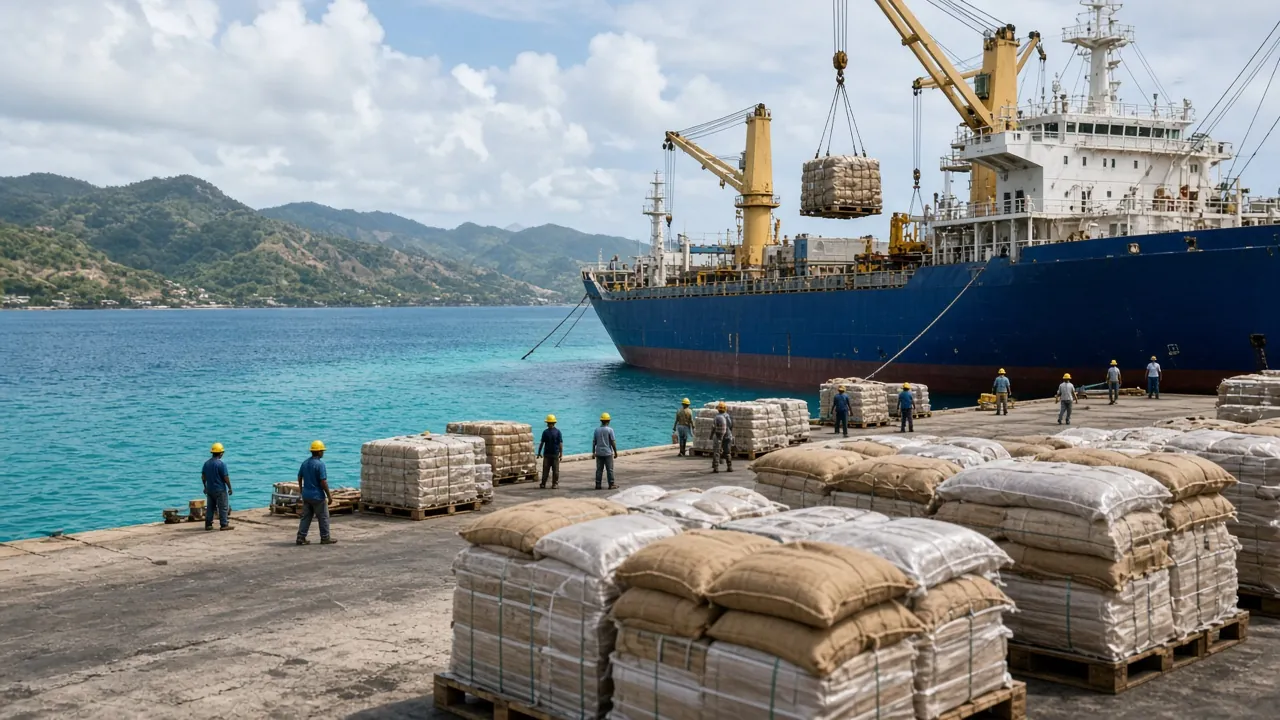
Food and humanitarian assistance. Haiti and Cuba have both relied on Brazilian food aid. With Haiti's crisis unresolved, any withdrawal of that support would have had consequences for the entire region.
Climate diplomacy. The 2025 hurricane season, including the devastation wrought by Hurricane Melissa, underscored the region's acute exposure to a warming climate. As CARICOM prepares for COP31 to press for loss and damage finance that is disbursed swiftly, it is valuable to have the host of COP30, and the custodian of the Amazon, as an ally.
Strategic diversification. As the United States adopts a firmer posture across the hemisphere, from Venezuela to its new Caribbean security package, a Brazil that maintains dialogue with all parties offers small states an additional diplomatic channel. This is not a position against Washington; it is a matter of preserving options.
Grounds for Measured Expectations
Optimism should be tempered. Nearly 60 million Brazilians voted for Flávio Bolsonaro, motivated by concerns familiar across the Caribbean: the cost of living, public safety, and a perception that government is not delivering. A president who came close to defeat is likely to concentrate first on domestic priorities, and commitments to the Caribbean risk being deferred.
The Bolsonaro camp will also continue to argue that President Lula's foreign policy has not served Brazil's interests, while President Lula accuses the Bolsonaros of placing US interests ahead of Brazil's. Caribbean governments would be well advised to remain neutral in that domestic debate.
The region itself is not of one mind. Cuba and the Dominican Republic were swift to offer congratulations, while several CARICOM members, including Guyana and Trinidad and Tobago, have aligned more closely with Washington's new security arrangements. Brazil cannot be the answer to every regional priority.
Priorities for CARICOM Ahead of the Inauguration
Goodwill must be translated into measurable commitments. Before the inauguration on 1 January 2027, the region should seek the following from Brasília:
- A renewed Joint Commission: a confirmed date and budget for the next CARICOM–Brazil Joint Commission, with the 2025 summit commitments converted into funded projects.
- Food security with tangible results: Brazilian agricultural expertise, seed and shipping links that lower prices in Caribbean markets, not only in communiqués.
- Effective climate finance: Brazil's support for CARICOM at COP31 in securing loss and damage financing that is disbursed promptly after extreme weather events.
- Regional connectivity: maritime and air links that extend the Guyana corridor beyond Georgetown to the island states.
- Sustained support for Haiti: assistance coordinated with CARICOM rather than conducted independently of it.
- Respect for sovereign choices: recognition of each member state's decisions on security and on relations with the United States, so that partnership with Brazil never becomes a demand to choose sides.
Conclusion
Brazil's electorate has returned a familiar partner to Brasília and offered the Caribbean a renewed opportunity to build on a relationship that had only recently gathered momentum. President Lula has spoken warmly of the region. The coming four years will demonstrate whether Brasília delivers, and whether capitals from Georgetown and Port of Spain to Kingston, Bridgetown and Port-au-Prince engage with sufficient purpose to ensure that it does.
Is Brazil a genuine partner for the Caribbean, or another large neighbour pursuing its own agenda? We welcome readers' views in the comments.
Kingston Mouth Editorial Team
Sources
- NPR: Lula elected for fourth term
- NPR: Bolsonaro's party accepts result
- The Telegraph via Yahoo: Bolsonaro concedes
- The Nation: Lessons from Lula's victory
- Al Jazeera: Why Flávio outperformed the polls
- The Conversation: From resentment to fear
- CNN: Lula completes turnaround
- Americas Quarterly: First-round reaction
- CNBC: Market reaction
- Jamaica Gleaner: Why Lula's victory matters
- Caribbean360: What Lula vs Flávio means for the Caribbean
- Antigua.news: Caribbean implications
- Anadolu: Leaders across the Americas react
- Caribbean National Weekly: Guyana–Brazil trade
- Caribbean News Network: Regional analysis
Enjoyed this? Kingstonmouth.com is independent and reader-supported.
☕ Buy us a coffee
Comments
Loading comments…
Leave a comment