
The 'Reparations CHOGM': why Jamaica's strongest card is now a London courtroom
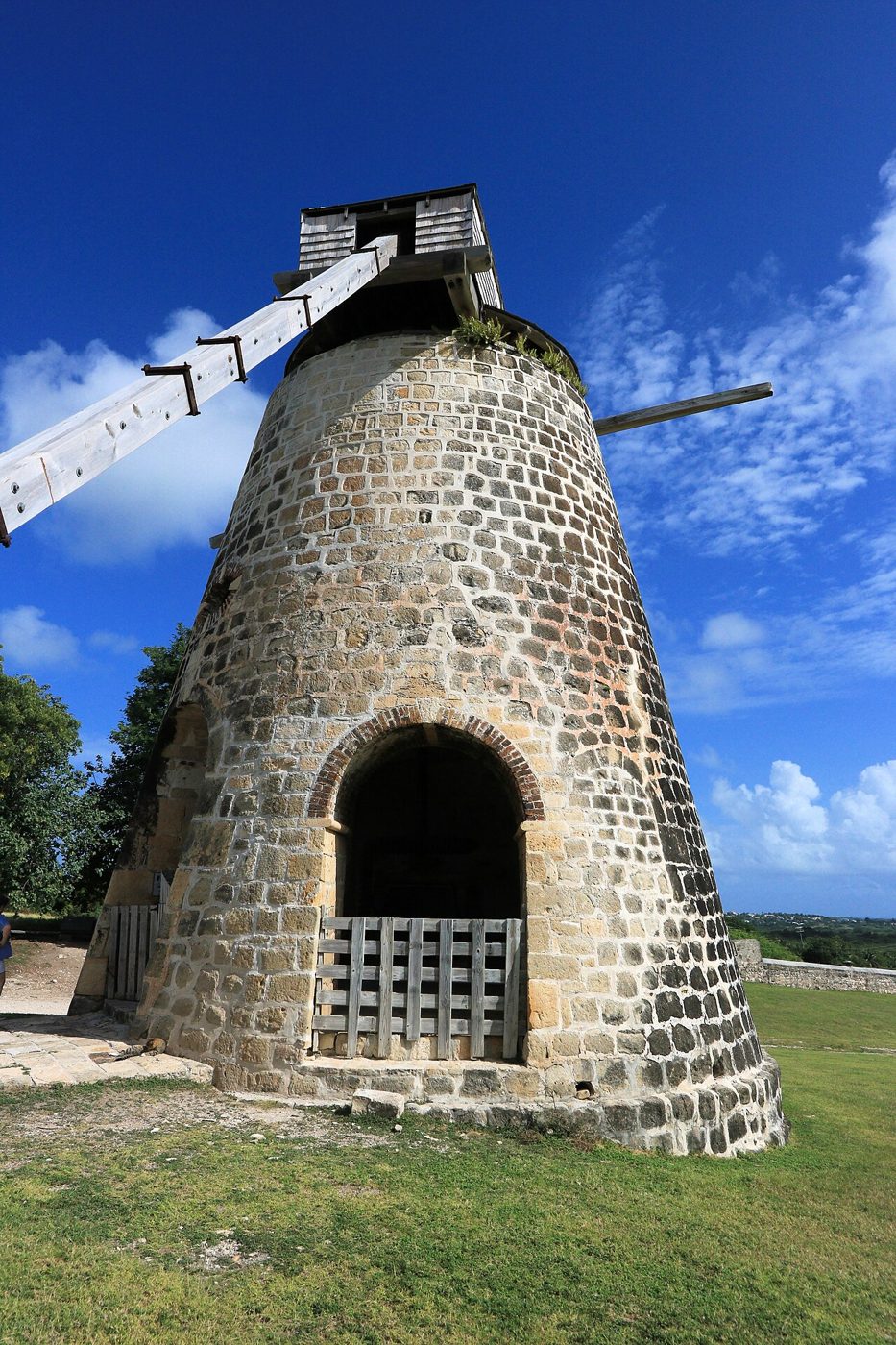
On Tuesday, King Charles III landed in The Bahamas at the start of a nine-day Caribbean tour that will take him to Guyana and then to St John's, Antigua and Barbuda, where the Commonwealth Heads of Government Meeting (CHOGM) runs from 1 to 4 November. Speaking to young people in Nassau, he acknowledged "the great suffering and injustices of the past". On 3 November he will open the summit itself, with Queen Camilla at his side.
The CARICOM Reparations Commission has already given the meeting a name. "There is no way to describe this CHOGM meeting other than the reparations CHOGM. That is what it is," its chair, Professor Sir Hilary Beckles, told a press conference last week. Yet Buckingham Palace says the King will not apologise during the tour, and a UK cabinet minister has said reparations are not a "reasonable request". At Kingstonmouth.com, we ask the real question: if London will neither apologise nor pay, what can the Caribbean realistically win in Antigua, and what is Jamaica's best move?
Where Things Stand
The pressure has built steadily since the last summit. In Samoa in October 2024, leaders signed a communiqué, the UK included, which said that "the time has come for a meaningful, truthful and respectful conversation towards forging a common future based on equity". In March this year, the United Nations General Assembly passed a resolution declaring the transatlantic trafficking and chattel enslavement of Africans the "gravest crime against humanity". It was led by Ghana and supported by 123 countries. According to Al Jazeera, the UK abstained. In July, CARICOM heads of government approved a revised 10-point plan for reparatory justice, and the commission is now preparing a five-year action plan for 2027 to 2031.
The Commonwealth Secretary-General, Shirley Ayorkor Botchwey, has also moved. Asked by Sky News whether the King should apologise, she said: "It wouldn't hurt to have that." She added that "it is important to determine the form that reparations should take".
London's Answer
The British position has not shifted. Buckingham Palace says questions of apology are "matters for governments to address", while promising the King will "not shy away from the darkest days of our past". CNN reports that Foreign Office sources argue there is no legal case for reparations because slavery was not illegal at the time. On the day the tour began, Business Secretary Jonathan Reynolds told Sky News he was "sensitive to British history" but that reparations are not a "reasonable request".
There are also signs of resistance inside the summit. David Comissiong of Barbados' National Task Force on Reparations reports that a draft paragraph in this year's communiqué, calling for structured, inclusive and good-faith dialogue on historical harms, has not won unanimous agreement. And not everyone in the region expects reparations to dominate. Writing in The Gleaner, trade policy specialist Elizabeth Morgan notes that the official theme is investment and partnership, cites polling showing about 60 per cent of Britons oppose financial reparations while there is support for an apology, and asks whether small CARICOM states can afford to fracture relations with the UK.
Jamaica's Different Route
While the summit debates words, Jamaica has done something new. On 7 September, a delegation led by Culture Minister Olivia Grange filed a petition asking the King, as Jamaica's head of state, to refer three questions to the Judicial Committee of the Privy Council in London: whether the enslavement of Africans in Jamaica was legal under English common law, whether it violated international law, and whether the UK has a legal obligation to remedy the harm. The government estimates that Jamaica is owed about $10 billion.
On 22 September, Ms Grange told the House of Representatives that the King had referred the petition to the Privy Council. "We are awaiting directions from the Judicial Committee of the Privy Council as to the next steps to be taken in the case," she said. She explained why Jamaica chose this path: the UK's reservations on the jurisdiction of the International Court of Justice prevent it from hearing disputes between Britain and any current or former Commonwealth member. To critics who mocked the word "petition", she replied that it is "simply the name of the process".
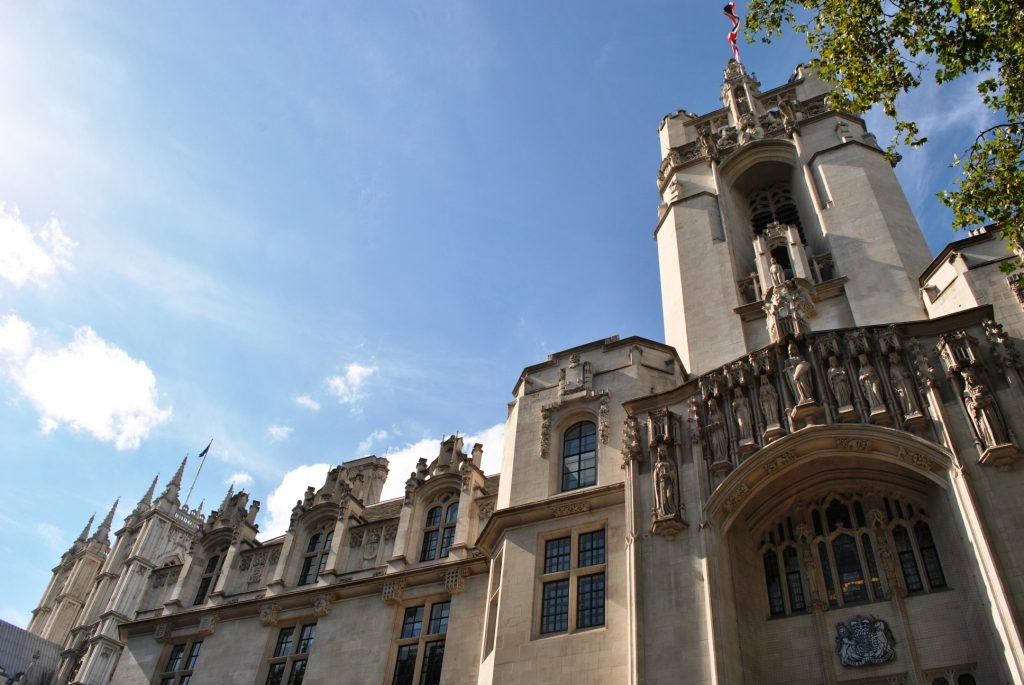
This matters for the summit. London's case rests on one argument: that slavery was legal at the time. Jamaica has asked the Crown's own court to test precisely that argument. As SOAS historian Olivette Otele told Al Jazeera, it is the first time the legal question itself is being put to "the highest court of the land", rather than only a demand for money.
The Case for Caution
Supporters of a quieter approach have a point. Britain is a trade and development partner. Jamaica is still rebuilding after Hurricane Melissa, and the government has just frozen non-essential official travel until March 2027 to tighten spending, although it will attend CHOGM. Antigua and Barbuda, the host, wants a successful summit focused on investment. Dorbrene O'Marde, who chairs Antigua and Barbuda's Reparations Support Commission, concedes that no specific reparations events are scheduled inside the summit.
But caution should not mean silence. Mr O'Marde notes that the Church of England and the Church of Scotland have already apologised for their roles, and says the absence of an apology from government and monarch "reeks of gross insensitivity". We agree. An apology costs nothing in money and would cost Britain nothing in sovereignty. It is the least contested demand on the table, and the British public, by Ms Morgan's own account, is more open to it than to payments.
What Our Leaders Should Ask For in Antigua
In our view, the Caribbean should go to St John's with three realistic asks, and speak with one voice:
- Keep the dialogue paragraph. Insist that the 2026 communiqué builds on Samoa with a structured, time-bound process, not just another "conversation".
- Respect the legal process. Ask Commonwealth leaders to acknowledge that a member state has put the legality of slavery before the Privy Council, and that the UK should engage with the hearing in good faith rather than pre-empt it.
- Start with an apology. Make a formal apology from the UK government, already one of the demands in CARICOM's 10-point plan, the first practical step.
At home, Prime Minister Andrew Holness's government, which will be represented in Antigua, should stand publicly behind the petition it filed. The commission's vice-chair, Verene Shepherd, is right that the case must also be made to our own young people, in schools and communities, long after the royal visit ends.
Our Verdict
The Palace says the King will not shy away from the darkest days of the past. Words in Nassau and St John's will be welcome, but they are not justice. For us, the most important event of this "reparations CHOGM" may not happen in Antigua at all. It may happen in a courtroom on Parliament Square, where Jamaica has asked Britain's own judges whether what was done to our ancestors was ever lawful. Our leaders, JLP and PNP alike, should make sure the whole Commonwealth is watching.
Produced with AI assistance and reviewed by the Kingston Mouth editorial team. Kingstonmouth.com has published independent commentary on Politics, Human Rights and International Development for over ten years. Readers wishing to comment may contact us at kingstonmouth63@gmail.com or on our Facebook and X pages.
Sources
- King Charles acknowledges 'injustices of the past' as Caribbean tour gets underway — CNN, 27 October 2026
- Eyes on reparations as King visits Caribbean — Jamaica Gleaner, 27 October 2026
- Elizabeth Morgan: King Charles III's Caribbean visit — Jamaica Gleaner, 28 October 2026
- Caricom advances reparations plan — NOW Grenada, October 2026
- Why Jamaica is seeking $10bn in reparations from the UK — Al Jazeera, 7 September 2026
- Grange: King Charles responds to Jamaica's reparations petition; refers matter to Privy Council — Jamaica Observer, 22 September 2026
- Jamaica Reaffirms Global Reparations Commitment — Jamaica Information Service
- Government clarifies travel ban — Jamaica Observer, 24 October 2026
- Commonwealth agrees 'time has come' for talks on legacy of slavery — Geo News / AFP, 26 October 2024
- Middlesex Guildhall — Wikipedia
Enjoyed this? Kingstonmouth.com is independent and reader-supported.
☕ Buy us a coffee
Comments
Loading comments…
Leave a comment