
Jamaica, Cuba and the Cost of Silence
29 October 2026
By Donovan Reynolds for Kingston Mouth
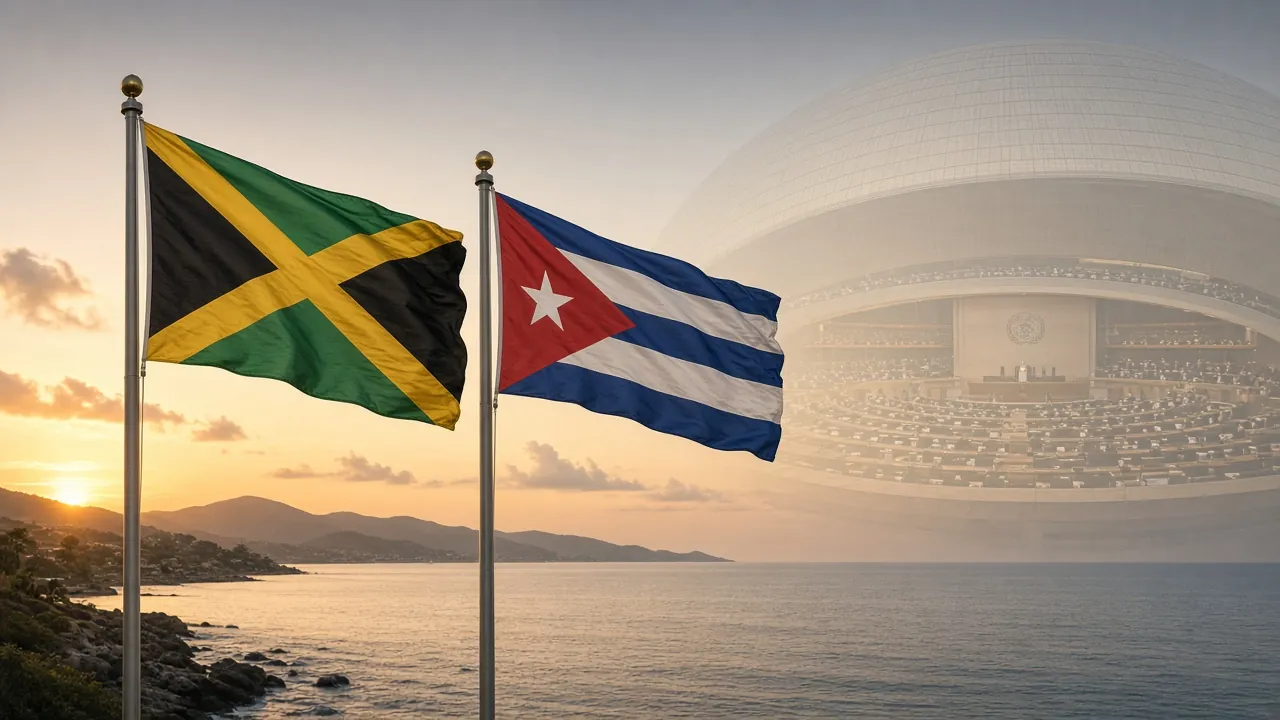
Jamaica's decision to abstain, for the first time in more than three decades, on the United Nations resolution condemning the United States embargo against Cuba marks a significant moment in the nation's foreign policy. For many, it may appear to be a routine diplomatic adjustment. We believe it signals something more profound: a gradual retreat from an independent Caribbean foreign policy towards one increasingly shaped by external pressure.
Kingston Mouth has often expressed centre-left sympathies and has consistently advocated for social justice, regional cooperation, respect for national sovereignty and the rights of small states within the international system. We make no apology for those values. They have informed our coverage of Caribbean affairs from the beginning. They also frame our response to Jamaica's abstention on Cuba.
This is not an argument rooted in Cold War nostalgia, nor is it an endorsement of every policy pursued by the Cuban Government. Rather, it is a recognition of a historical relationship built upon mutual assistance, solidarity and practical support that has benefited thousands of ordinary Jamaicans over several generations.
What Cuba Has Given Jamaica
Few countries have contributed as much to Jamaica's social development while possessing so few resources of their own.
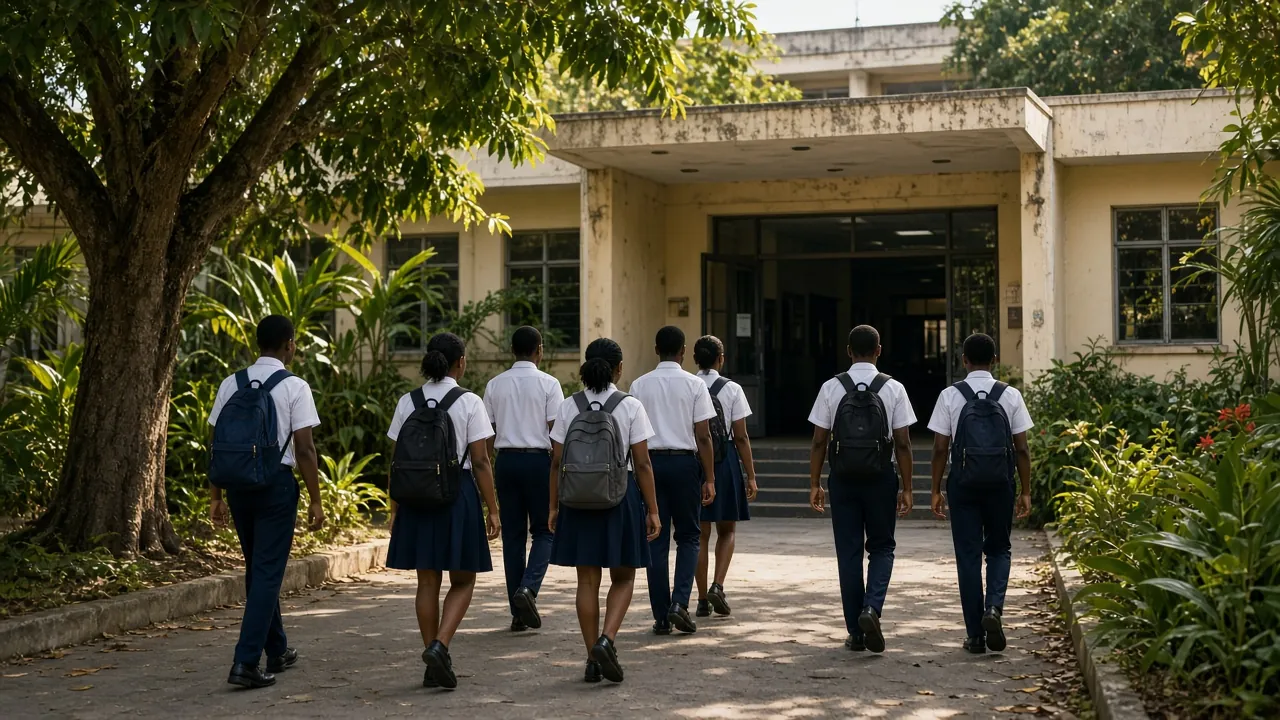
Cuba's contributions can be found across the island. The José Martí Technical High School in Spanish Town has educated generations of Jamaican students since the late 1970s. The G.C. Foster College of Physical Education and Sport has helped develop many of the coaches and sports administrators behind Jamaica's international athletic success. In 2015, the Fidel Castro Campus of Anchovy High School further symbolised the long-standing educational relationship between both countries.
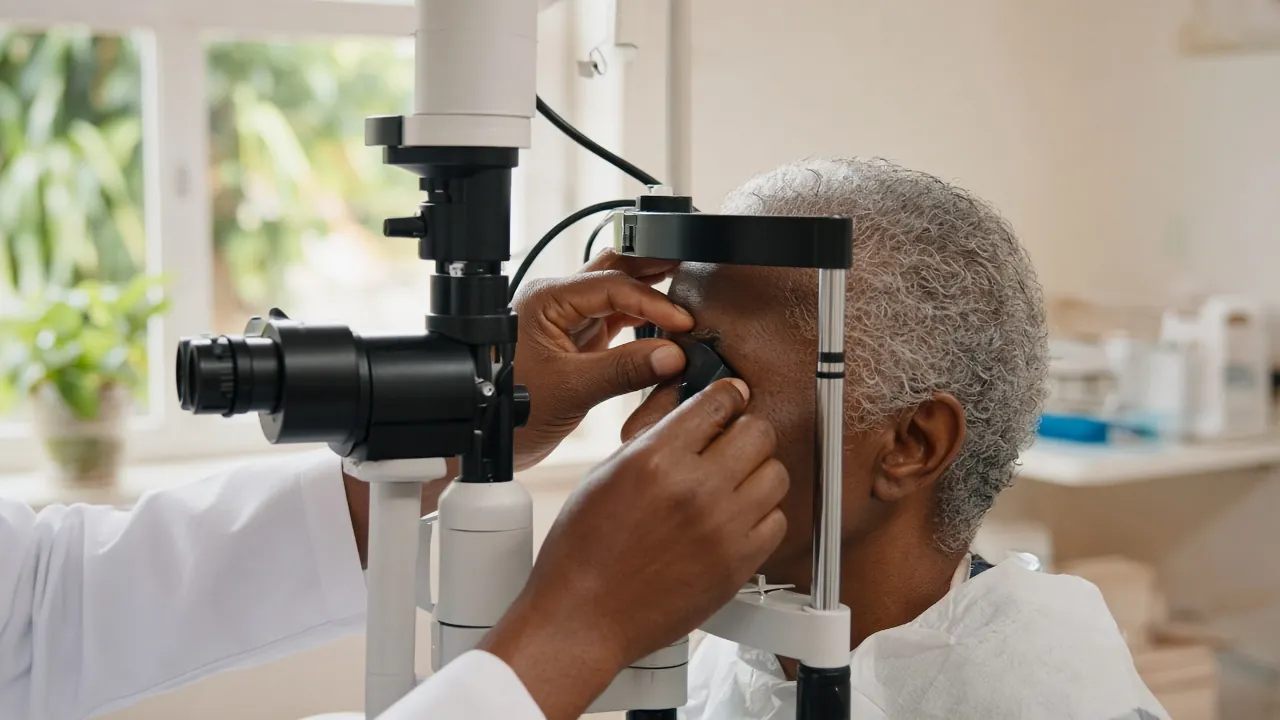
In healthcare, the impact has been even more visible. Through Operación Milagro (Operation Miracle), Cuban medical specialists have helped restore the sight of tens of thousands of Jamaicans. Thousands more have benefited from free eye surgeries and treatment unavailable to many low-income families.
Cuban doctors, nurses and healthcare professionals have served in hospitals and clinics throughout Jamaica, particularly in rural communities where recruiting and retaining medical personnel remains difficult. In addition, hundreds of Jamaicans have received scholarships to study medicine and other professions in Cuba, returning home to contribute to national development.
Even during periods of political tension, including the suspension of diplomatic relations in the 1980s, Cuba maintained a willingness to rebuild cooperation when relations were restored. That resilience matters when assessing the partnership.
A Pattern Is Emerging
Supporters of the Government argue that an abstention is not a vote in favour of the embargo. Technically, they are correct. Yet foreign policy is rarely judged by a single action. It is assessed through patterns.
In recent years, Jamaica has increasingly avoided taking positions that place it directly at odds with Washington.
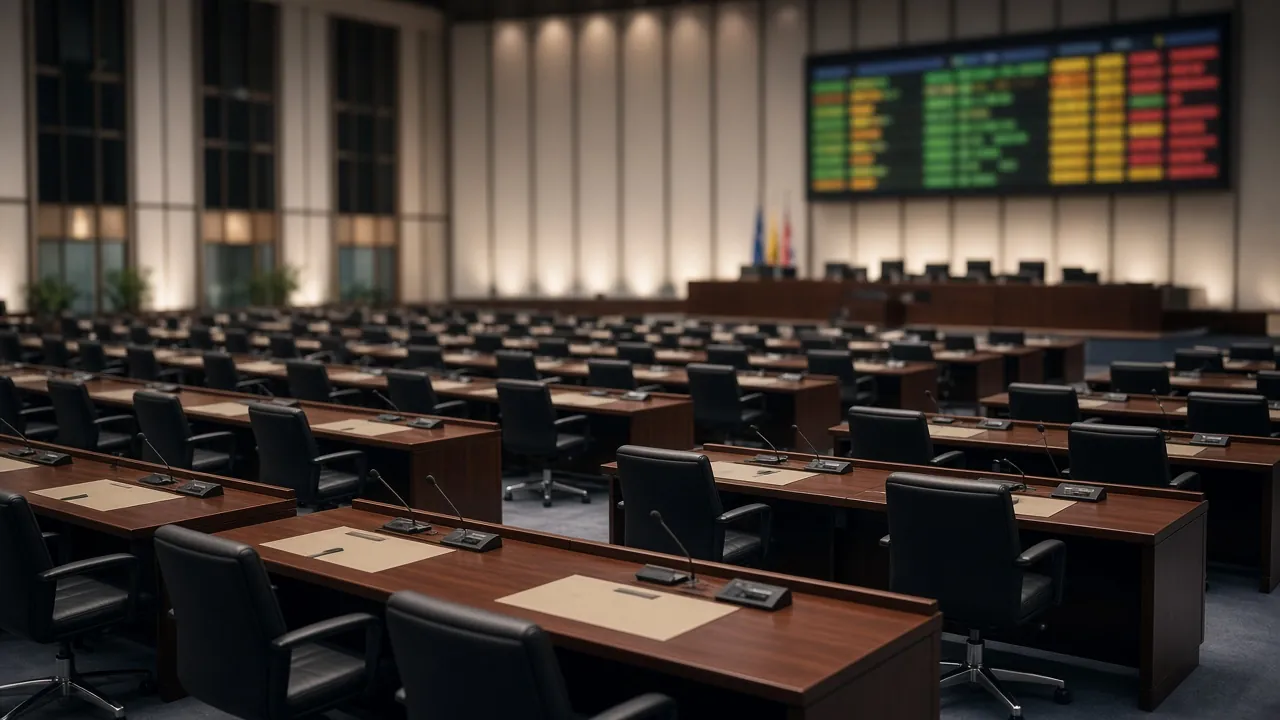
The country's absence from the 2023 United Nations vote calling for a humanitarian truce in Gaza raised questions about its willingness to take politically difficult positions. Similar concerns emerged following Jamaica's absence from a 2025 vote concerning Palestinian representation at the United Nations.
Earlier this year, Jamaica also ended its long-standing state-to-state medical cooperation programme with Cuba following sustained pressure from the United States regarding Cuban overseas medical missions. More recently, Kingston agreed to participate in arrangements involving the reception of third-country deportees from the United States, generating debate both inside and outside Parliament.
Viewed individually, each decision may appear justified. Viewed collectively, however, they suggest a growing reluctance to challenge American foreign policy priorities.
Understanding the Pressure
To understand these developments, one must acknowledge Jamaica's reality.
The United States remains Jamaica's most important economic partner. The island depends heavily on tourism, remittances, trade, investment and security cooperation connected to the United States. Thousands of Jamaicans live, work and study there. Those ties cannot simply be ignored.
Recent American administrations have also demonstrated a willingness to use diplomatic and economic leverage to achieve foreign policy objectives. Caribbean governments understand this reality.
Given these circumstances, it is understandable that Jamaican policymakers may seek accommodation rather than confrontation.
Yet the central question remains: how much accommodation is too much?
History teaches that the independence of small states is measured not when decisions are easy, but when powerful nations exert pressure. A foreign policy built solely on avoiding friction eventually loses the capacity to act independently.
The Palestine Parallel
A similar pattern can be observed in Jamaica's approach to Palestine.
To be fair, Jamaica has supported Palestinian statehood and backed Palestine's efforts to obtain full United Nations membership. It has also supported international resolutions affirming Palestinian rights.
Yet critics argue that Jamaica has too often been absent during key votes and symbolic moments that carried the greatest diplomatic consequences. The concern is not necessarily that Jamaica supports one side or another, but that it increasingly avoids taking visible positions when those positions may create tension with influential allies.
For a country that historically spoke forcefully against colonialism, apartheid and inequality, such absences naturally attract scrutiny.
The Government's Defence
The Government maintains that its position reflects pragmatism rather than surrender.
Foreign Minister Kamina Johnson Smith has argued that Jamaica continues to oppose the suffering experienced by ordinary Cubans while encouraging constructive dialogue between Havana and Washington. Prime Minister Andrew Holness has similarly called for engagement rather than confrontation.
These arguments deserve consideration. Diplomacy often requires balancing principles against practical realities.
However, many observers note that most CARICOM states continue to oppose the embargo while maintaining productive relationships with the United States. Their experience suggests that constructive engagement with Washington does not necessarily require silence on major international issues.
Moreover, criticism of the abstention has not come exclusively from one political tradition. Former Prime Ministers P.J. Patterson and Bruce Golding, representing different political parties and ideological perspectives, joined regional calls urging continued opposition to the embargo. Their intervention highlights how deeply embedded this position has been within Jamaica's diplomatic tradition.
What Jamaica Should Do Next
Jamaica has long enjoyed international respect because it has often been willing to speak from principle rather than expediency. From anti-apartheid advocacy to support for developing nations, the country's influence has frequently exceeded its size because its voice carried moral credibility.
That tradition should not be abandoned.
We therefore believe Jamaica should:
- Resume voting against the United States embargo on Cuba at future United Nations General Assembly sessions.
- Re-establish formal health cooperation with Cuba under transparent arrangements that protect workers' rights and comply with Jamaican law.
- Ensure that major international agreements, including migration arrangements with the United States, receive full parliamentary scrutiny.
- Adopt a consistent and visible voting record on issues relating to Palestine and international law.
- Strengthen a foreign policy based on active non-alignment, maintaining positive relations with both Washington and Havana while remaining subordinate to neither.
A Final Word
Jamaica is a small country living in the shadow of a superpower. No serious observer disputes that reality. But small states possess one asset that larger nations cannot easily take away: the credibility that comes from standing consistently by their principles.
For decades, Cuba stood beside Jamaica in education, healthcare and development cooperation. Regardless of one's view of the Cuban system, that history cannot be ignored.
The question raised by this week's abstention is therefore larger than Cuba itself. It is about what kind of voice Jamaica wishes to have in the world and whether that voice will continue to be heard when difficult choices must be made.
Kingston Mouth has often approached international affairs from a progressive and centre-left perspective. We acknowledge that viewpoint openly. Readers may disagree with our conclusions, but we hope this debate encourages a wider conversation about Jamaica's place in an increasingly uncertain world.
This article reflects the opinion of the author and Kingston Mouth's editorial perspective. We welcome respectful responses and alternative viewpoints.
Enjoyed this? Kingstonmouth.com is independent and reader-supported.
☕ Buy us a coffee
Comments
Loading comments…
Leave a comment