
Weh Di Money Deh? Beenie Man, Hurricane Melissa and Jamaica's Accountability Problem
By Donovan Reynolds, Kingston Mouth
When a dancehall deejay asks a question that the Auditor General has already asked, and the Prime Minister answers with a joke about the guest list, something has gone wrong with how Jamaica holds power to account.
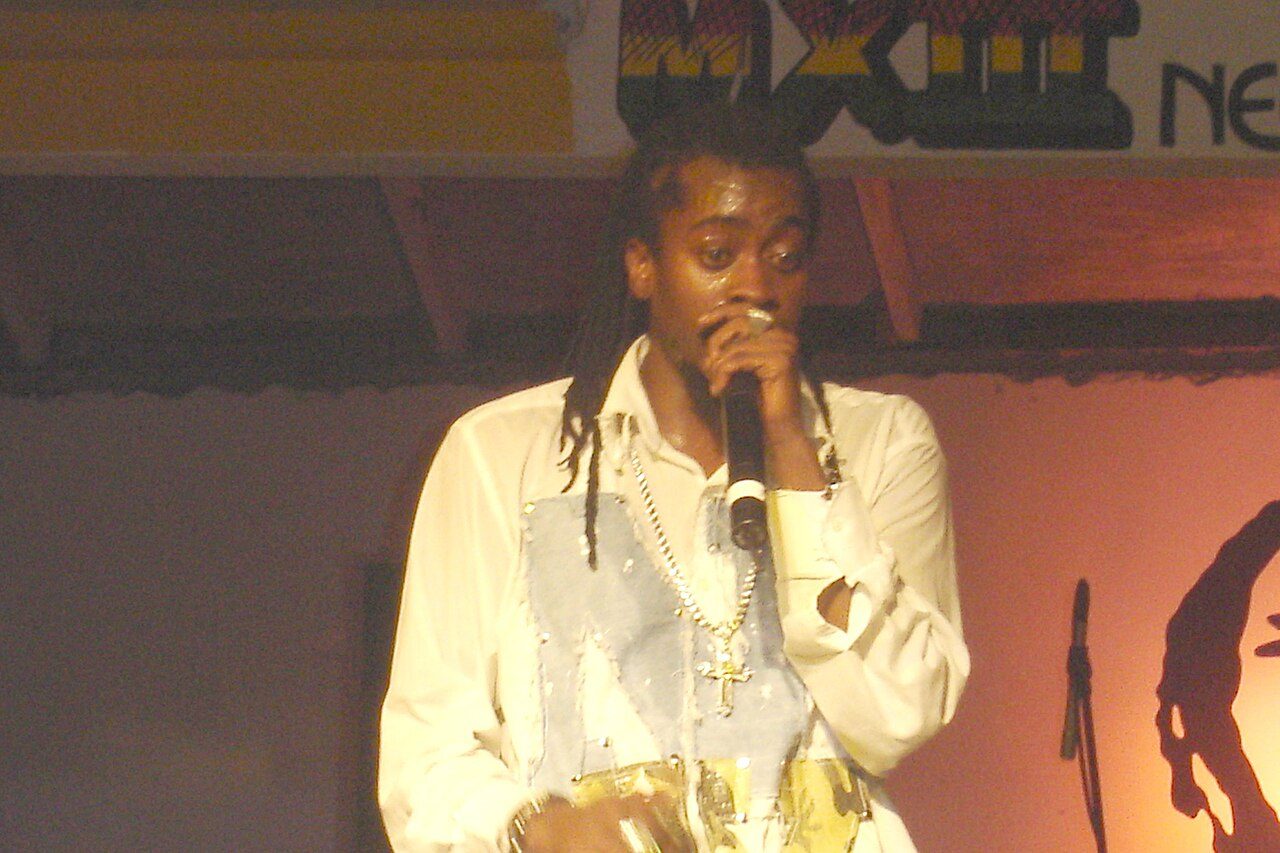
One year after Hurricane Melissa made landfall on 28 October 2025, Beenie Man sat down with ITV News reporter Cree-Summer Haughton in a London-facing interview that has since travelled across the diaspora. Asked how donations meant for storm victims had been handled, the King of the Dancehall did not mince words. The government, he said, takes in the money and distributes it the wrong way, and the people who were supposed to receive it have not been getting it. Then came the line that has since become a meme, a talking point and now the title of a new song: "The money comes in and you nuh see where it go."
He also waded into the long-running fight over beach access, a subject ITV is investigating. Campaigners told the broadcaster that less than one per cent of Jamaica's coastline is freely open to the public. The government disputes that figure, saying most of the coastline classified as public beach is free to access.
Tellingly, Beenie Man did not cast himself as the man to fix any of it. He said it was not for him alone to speak on it, and that the whole country needed to stand up as one. That is not a party slogan. It is a citizen's call for accountability, and it deserves a better answer than it has received.
What Beenie Man said, and why it landed
Beenie Man is not a policy analyst, and his remarks were broad rather than forensic. But broad does not mean baseless. His comments landed because they echoed something many Jamaicans already feel: that money flows in during a crisis, and the public is rarely shown, in plain and timely terms, where it went.
He has now taken the argument into the studio, teasing a new song, Weh Di Money Deh?, and telling The Gleaner that he was simply speaking from his heart. Dancehall has always doubled as a people's newspaper. When the deejays start writing about public finance, politicians should take note.
The government's response: attack the messenger
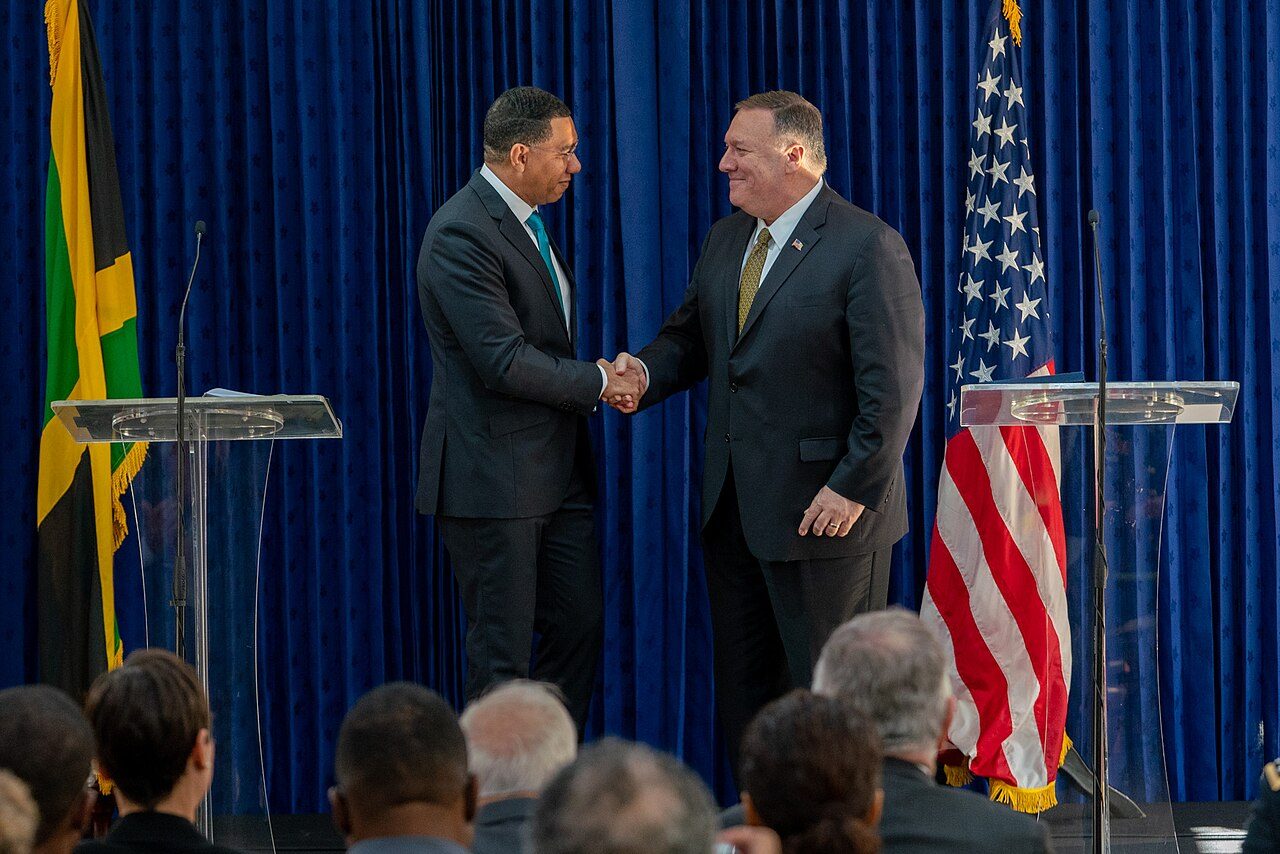
The reaction from Jamaica House was swift and personal. State Minister in the Office of the Prime Minister, Senator Abka Fitz-Henley, went on ITV to call the remarks "irresponsible, mischievous and entirely false." He pointed out that Beenie Man had campaigned for the opposition PNP in the last general election and referred to its president as his boss, and he tied the comments to what he called opposition narratives.
Fitz-Henley also made a substantive point that deserves a fair hearing. He said private donations amount to less than two per cent of what the government has committed or spent on relief and recovery, which includes a large payment to restore electricity months ahead of schedule.
The next day, at the reopening of the Black River Hospital in St Elizabeth, Prime Minister Andrew Holness quipped that the Health Minister had forgotten to invite Beenie Man, so he could see for himself how recovery money was being spent. The PM cited the rebuilt hospital as proof, and later described the deejay's comments as a lie told about Jamaica by someone who benefits from Brand Jamaica.
Rebuilt hospitals matter, and the government is entitled to correct what it believes is inaccurate. But notice the shape of the response. It questioned the speaker's politics, his patriotism and his right to speak abroad. It did not publish a clear, line-by-line account of the donations he was asked about. That gap is the real story.
The record: what the Auditor General found
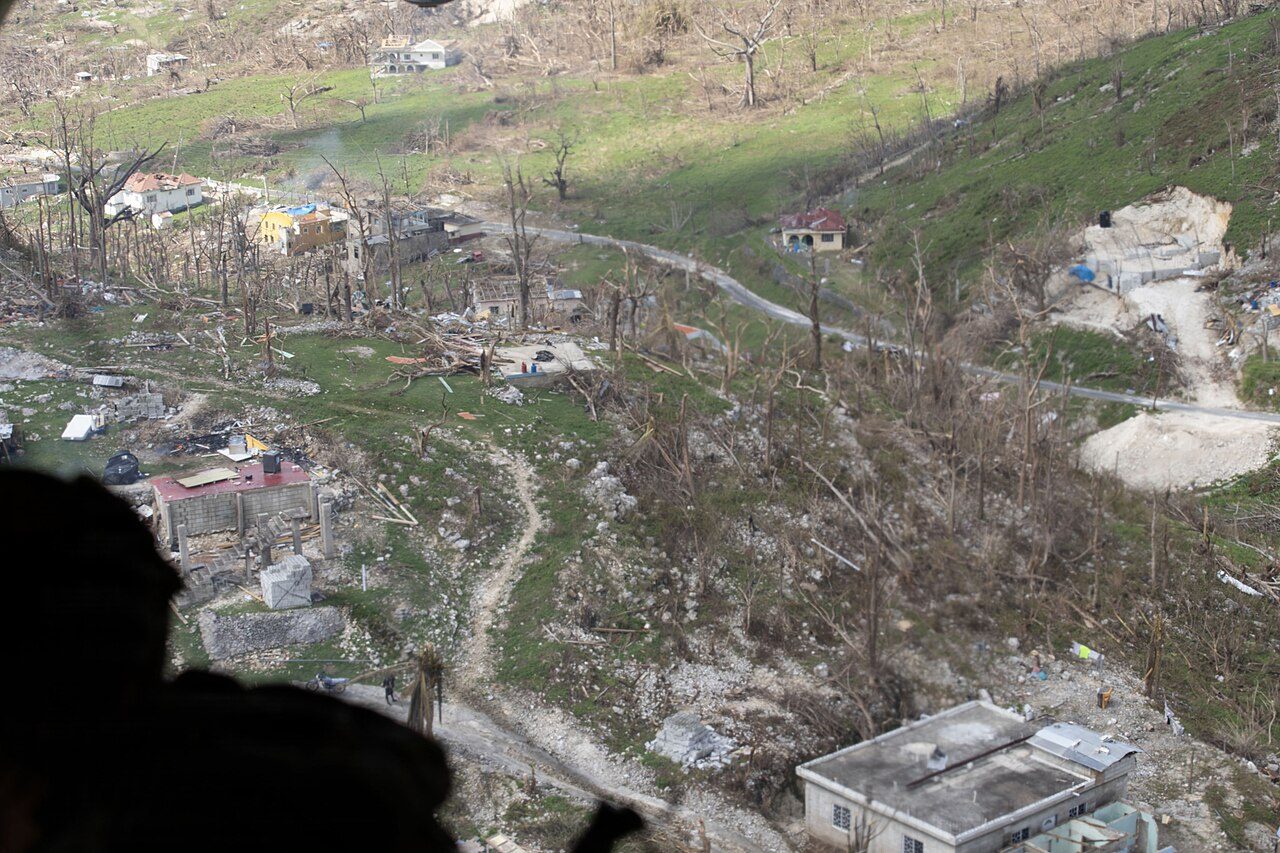
Beenie Man did not invent the question. The state's own auditor asked it first. In May 2026, Auditor General Pamela Monroe Ellis tabled a real-time audit of the Hurricane Melissa Relief Initiative in Parliament. Its findings were stark:
- J$1.44 billion in cash donations had reached the Office of Disaster Preparedness and Emergency Management (ODPEM) by 23 February 2026.
- Only J$26.2 million, or 1.8 per cent, had been spent by that date — nearly four months after the storm.
- ODPEM was still holding about J$569.6 million and US$5.9 million in donation accounts, and those balances had not moved when the draft report was issued on 2 April.
- Roughly J$138.8 million from Hurricane Beryl donations in 2024 was still unspent, and ODPEM could not show how much had been collected or spent for Beryl at all.
- A private financial company kept 30 per cent of online donations for a 45-day holding period with no formal written agreement, and transferred the money 22 to 83 days late, with no evidence ODPEM pushed it to comply.
- No statements of accounts or annual reports had been prepared for the National Disaster Fund for 2023/24 or 2024/25, because there was no functioning fund committee or appointed chairman.
The Auditor General's own summary was that weaknesses in financial management, governance and programme accountability limited transparency over the relief money.
The government's defence is that this was a snapshot, that recovery is ongoing, and that the donations are small beside the roughly J$11 billion in contracts awarded through the public purse. All fair points. But none of them explains why money given by ordinary people, many of them in the diaspora, sat in bank accounts while families waited for roofs. Nor does it explain why the Beryl money was never fully accounted for. In September, the Prime Minister himself acknowledged that affected families were still waiting for help and that he was not satisfied with the pace.
So when Beenie Man says you can't see where the money goes, the honest response is not "lie." It is: "Here is the ledger."
Not one storm, but a pattern
The hurricane money is a symptom. Jamaica's accountability problem runs deeper and longer than any one administration.
On Transparency International's 2025 Corruption Perceptions Index, Jamaica scored 44 out of 100 and ranked 73rd of 182 countries, unchanged from the year before. Any score below 50 signals a serious corruption problem, and Jamaica has sat in that zone for more than two decades. Forty-four is, in fact, our best-ever score — which tells you how low the bar has been.
The Integrity Commission's 2025-26 annual report showed six MPs and a senator under illicit-enrichment investigations. In June, the Commission's Director of Corruption Prosecution ruled that a sitting Cabinet minister, Dr Andrew Wheatley, should face charges including illicit enrichment and making false statements in his statutory declarations. He is entitled to the presumption of innocence, and the courts will decide. But that a serving minister could face such charges at all, and remain in Cabinet while civil society calls for his removal, says something about how seriously integrity is taken at the top.
Meanwhile, the watchdog itself is under pressure. A growing number of court challenges have been launched against its findings. In October, Justice Minister Delroy Chuck questioned whether the Commission's practice of reporting categories of people under investigation was fuelling perceptions of corruption. And when the opposition and civil society asked for stronger oversight in the government's disaster-recovery bill (NaRRA), critics say the Prime Minister brushed those calls aside.
This is not a one-party problem. Both of Jamaica's major parties have faced corruption scandals in government, and both have, at times, treated the Integrity Commission as an inconvenience. The point is not who is worse. The point is that the system still lets those in power decide how much the public gets to see.
Criticism is not treason
The most troubling part of this episode is the suggestion that criticising the government on foreign television is an attack on Jamaica itself. Fellow artiste Mr. Vegas accused Beenie Man of lying about the government on an international platform. The Prime Minister spoke of Brand Jamaica. The message to every citizen is clear: speak abroad, and your loyalty will be questioned.
That logic should worry the diaspora most of all. Jamaicans overseas send billions home every year in remittances, and they gave generously after Melissa. We have every right to ask what happened to our money — in London, in Toronto, in New York, and on ITV if need be. The flag belongs to us too. A government is not the country, and holding it to account is an act of patriotism, not betrayal.
It is also worth remembering what the government's own allies have said. Even the governing party's senator argued that the Auditor General's report was timely and showed the need for reform. If the report was timely, then so was the question.
What real accountability would look like
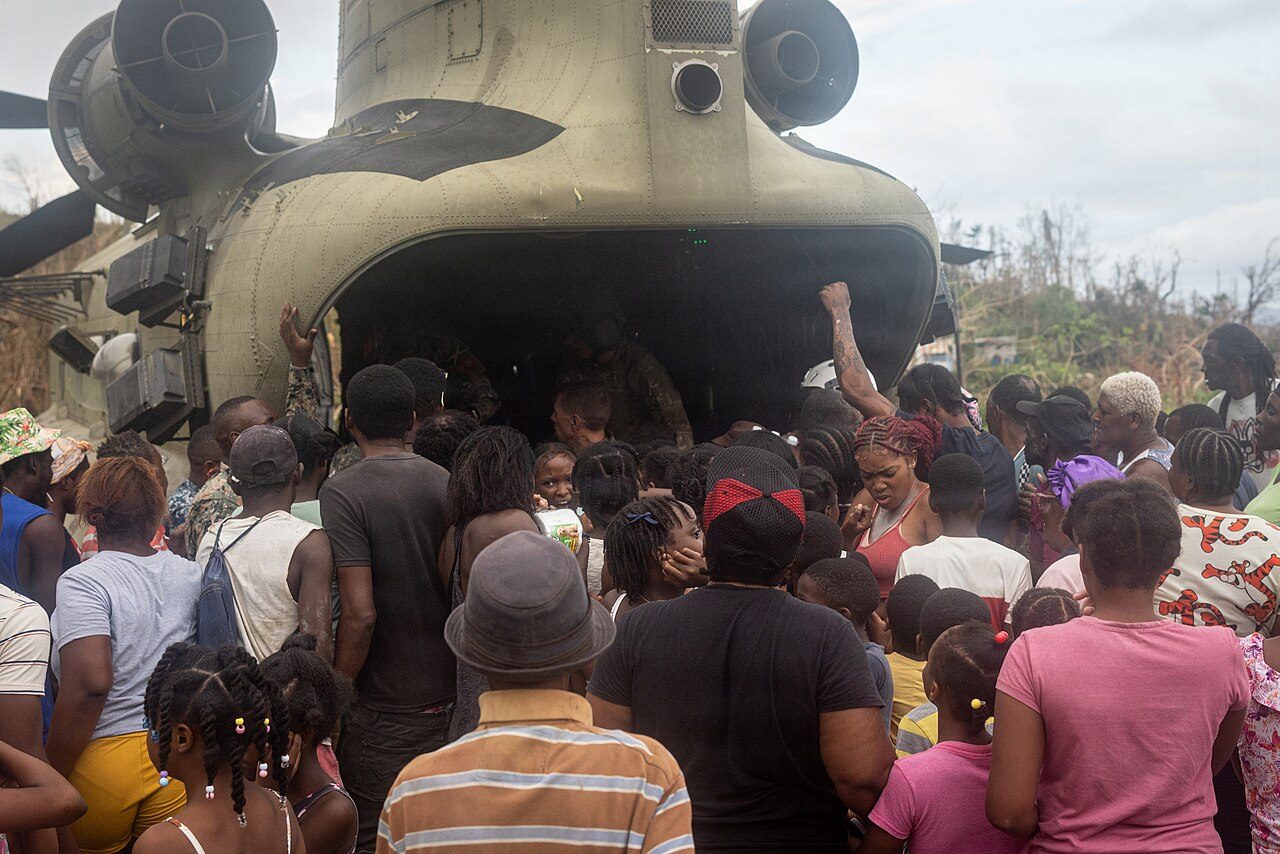
If the government wants to end the "weh di money deh" debate, it can do so tomorrow. It does not need to win an argument with a deejay. It needs to open the books.
- Publish a live donations ledger. Every dollar received through Support Jamaica and direct donations, every dollar spent, by parish and by purpose, updated monthly.
- Account for Hurricane Beryl. Release a full statement of what was collected and spent after the 2024 storm, and where the remaining balance sits.
- Fix the National Disaster Fund. Appoint the fund committee and chairman, and publish the overdue accounts for 2023/24 and 2024/25.
- Put written agreements in place with any private firm that handles donated money, with penalties for late transfers.
- Strengthen, not second-guess, the Integrity Commission. Give it the resources and legal certainty to finish cases, and stop treating its reports as a public-relations problem.
- Build independent oversight into disaster laws such as NaRRA, so emergency powers come with emergency scrutiny.
Conclusion
Beenie Man has spent four decades turning street talk into song. This time, he simply put into plain Jamaican what the Auditor General had already written in official English: the people cannot see where the money goes.
The government can keep mocking the messenger. Or it can publish the ledger and let the facts speak. A confident government chooses the second. Until it does, the question will keep echoing from the dancehall to Westminster to Gordon House: Weh di money deh?
Sources
- Beenie Man criticises Gov't hurricane relief spending — Jamaica Observer, 27 Oct 2026
- Beenie Man slams Government's hurricane relief spending in ITV interview — DancehallMag, 28 Oct 2026
- Fitz-Henley defends Government's Hurricane Melissa recovery efforts — The Gleaner, 28 Oct 2026
- Holness hits back at Beenie Man — Jamaica Observer, 28 Oct 2026
- Mr. Vegas accuses Beenie Man of lying about Jamaican Government — DancehallMag, 28 Oct 2026
- The Flag Belongs to Us Too — Jamaicans.com, 31 Oct 2026
- 'I was speaking from my heart,' says Beenie Man — The Gleaner, 3 Nov 2026
- Auditor General flags slow use of hurricane donations — Jamaica Observer, 13 May 2026
- Donations debacle: ODPEM cited for poor management — The Gleaner, 18 May 2026
- Government senator says report highlights need for NaRRA — The Gleaner, 13 May 2026
- Jamaica's corruption perception score unchanged — The Gleaner, 10 Feb 2026
- IC flags senator, six MPs in illicit enrichment probes — The Gleaner, 8 Jul 2026
- JFJ calls for Wheatley's removal after IC corruption charges — The Gleaner, 18 Jun 2026
- Chuck questions IC's reporting approach — Jamaica Observer, 15 Oct 2026
- Michael Abrahams: Trying to make sense out of nonsense — The Gleaner, 2 Jun 2026
Get Kingston Mouth in your inbox
Donovan Reynolds' latest articles and videos on Jamaica, the UK and the world, plus occasional sponsored offers. Unsubscribe any time.
Enjoyed this? Kingstonmouth.com is independent and reader-supported.
☕ Buy us a coffee
Comments
Loading comments…
Leave a comment