
Black Gold for the Whole Region? How Guyana's Oil Could Lift the Caribbean
By Donovan Reynolds, Kingston Mouth
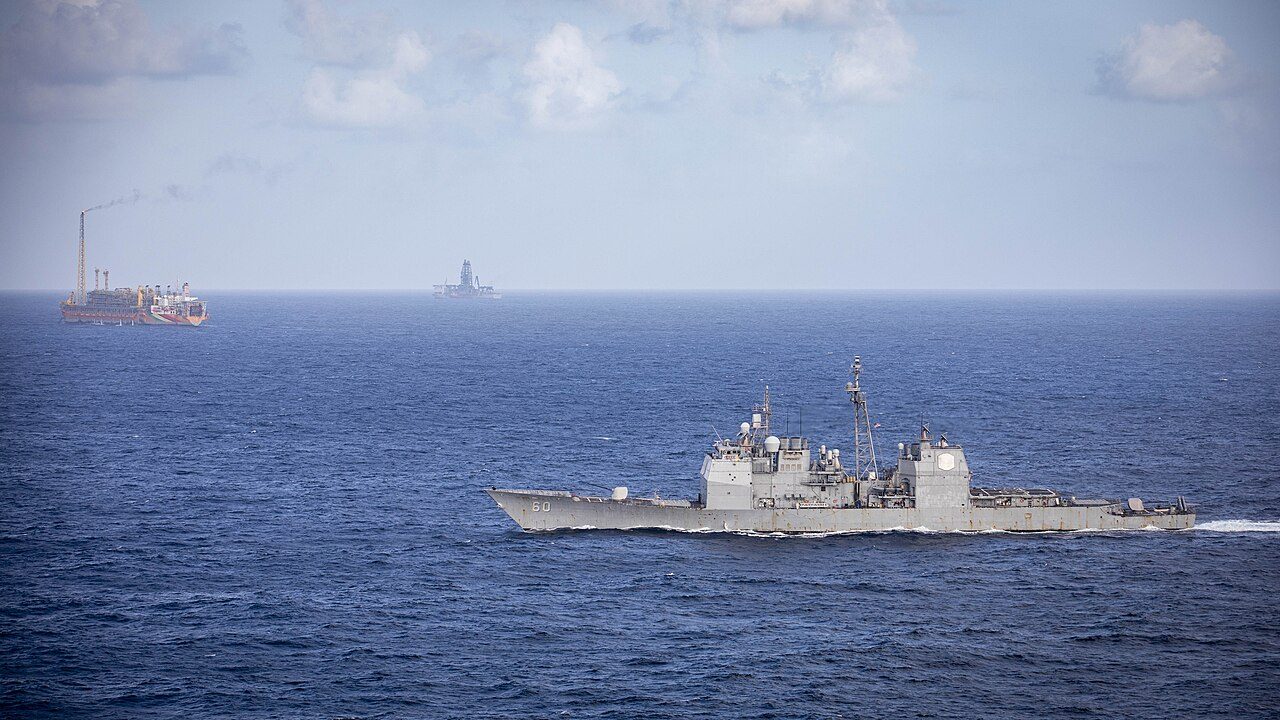
Ten years ago, Guyana was one of the poorest countries in the Americas. Today it is among the fastest-growing economies in the world, pumping close to a million barrels of oil a day from beneath the Atlantic. The question for the rest of the Caribbean is simple, and it matters enormously: will this wealth stay in one country, or can it help lift the whole region?
A windfall without precedent
The numbers are staggering for a country of under a million people. In the first half of 2026, Guyana's oil output averaged about 902,000 barrels a day, up from roughly 639,000 a year earlier. Crude exports earned about US$15 billion in just six months. The economy grew by an estimated 33 per cent, and even the non-oil economy expanded by about 10 per cent.
The state's share is growing fast too. Petroleum revenue for 2026 is projected at about US$6.5 billion, and the country's Natural Resource Fund held about US$4.3 billion at the end of June. Around US$2.4 billion is being drawn from the fund to finance this year's budget.
For a region of small, import-dependent economies battered by debt, hurricanes and high energy costs, a wealthy neighbour within CARICOM is a rare opportunity. But the Caribbean has seen an oil boom before, and it should remember how that went.
Lessons from the last boom
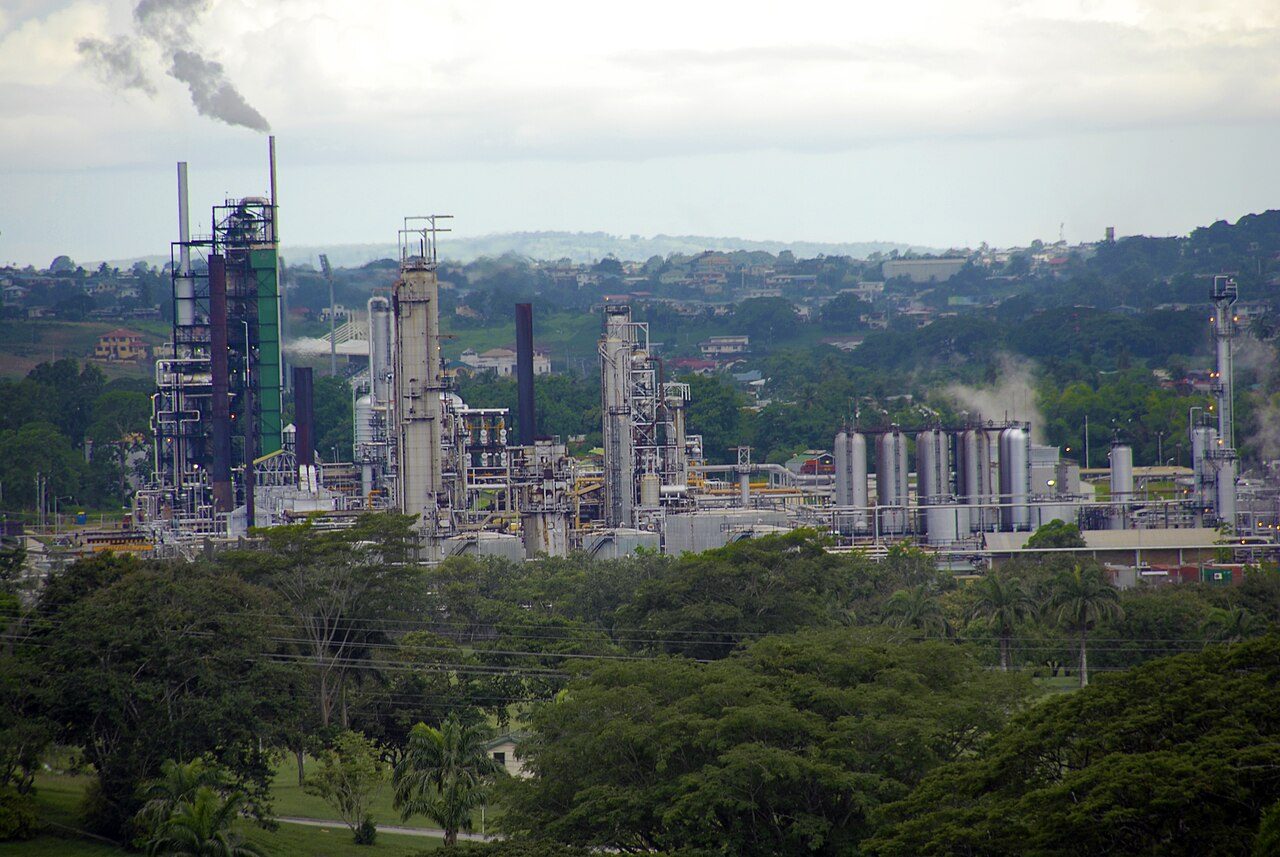
Trinidad and Tobago was the Caribbean's first oil giant, and its story is not one of failure. Energy built a modern economy, a strong middle class and the region's industrial base. But its experience also offers lessons that Guyana, and the region, would be wise to study.
The bust always comes. The oil boom of the 1970s brought high incomes and near full employment. When prices and production fell, the economy contracted for more than a decade from 1982, ending in IMF programmes and structural adjustment.
Oil money can crowd out everything else. Energy came to provide over 40 per cent of GDP, up to 60 per cent of government revenue and up to 90 per cent of exports, but under 4 per cent of jobs. Strong oil inflows pushed up the exchange rate and fuelled inflation, making farming and manufacturing less competitive. Economists call this "Dutch disease".
Savings came late. A dedicated stabilisation fund was only created at the end of the 1990s, a generation after the first windfall.
The neighbours were mostly a market. Trinidad helped found CARICOM, and its manufacturers came to dominate trade within it. But the region's smaller economies have long felt the relationship ran one way: goods flowing out of Port of Spain, with too little lasting investment flowing back.
Guyana has already learned some of these lessons. It created its Natural Resource Fund at the very start of production rather than decades later. The bigger question is whether it will learn the last one.

Five ways Guyana's oil could lift the whole Caribbean
President Irfaan Ali has repeatedly said he wants Guyana's oil wealth to benefit the entire CARICOM region, including making the Caribbean food secure. That ambition is welcome. The task now is to turn speeches into institutions that outlast any one government.
1. Feed the region. The Caribbean imports most of its food. Guyana has vast fertile land; the islands have capital, markets and know-how. Oil revenue can fund the roads, ports, storage and shipping that turn Guyanese farmland into a regional breadbasket. CARICOM's goal of cutting food imports by a quarter by 2025 has now passed, and it should be renewed with real money and a published scorecard.
2. Lower the region's energy bills. Island states pay some of the highest electricity prices in the world, almost all from imported fuel. Guyana's gas and its earnings could help bring costs down in the short term. In the long term, oil money should help finance the region's move to solar, wind and geothermal, so the islands are not swapping one dependency for another.
3. Build a regional development window. Rather than one-off loans or favours, Guyana could commit a fixed share of its oil savings to the Caribbean Development Bank for climate resilience, sea defences and infrastructure across member states. A rules-based fund, independently managed and openly reported, would be a lasting regional institution.
4. Share the jobs, not just the goods. Guyana's boom is short of workers, engineers, nurses, teachers and builders. The islands have skilled people looking for opportunity. Full freedom of movement and recognition of qualifications would let the whole region share in the boom, and money sent home would flow back across the Caribbean.
5. Invest in each other. Guyanese public and private capital could take stakes in regional businesses, tourism and manufacturing, creating a two-way relationship rather than a one-way market.
The tensions
Regional generosity will not be easy, and pretending otherwise does Guyana no favours.
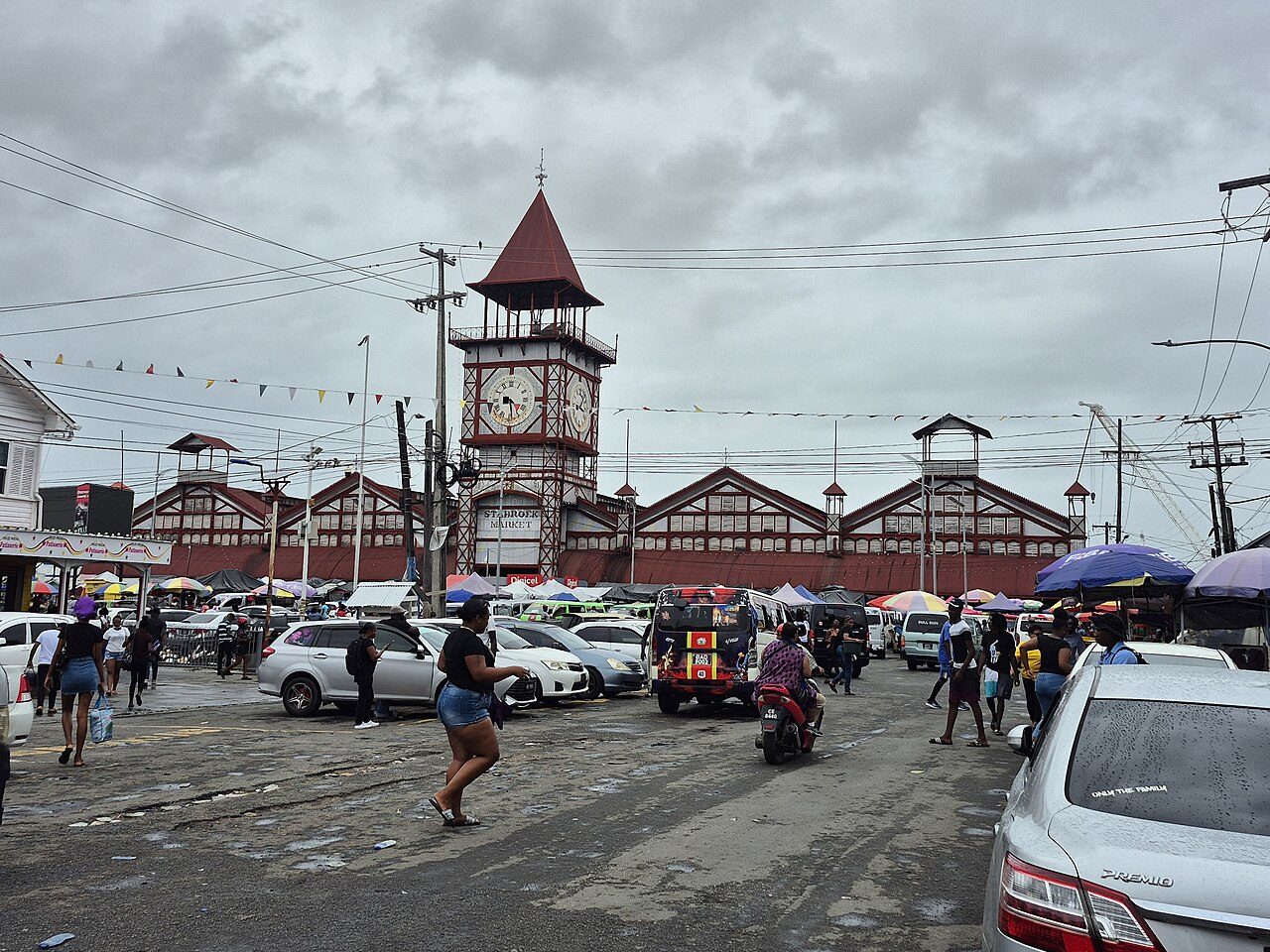
Home comes first. Many Guyanese still wait to feel the benefits of the boom in their wages, housing and public services. Any government that is seen to share oil money abroad while poverty persists at home will face a backlash. Regional projects must be designed to benefit Guyana too, through food exports, investment returns and skilled labour.
Is Guyana getting a fair share? Under the production-sharing agreement with the ExxonMobil-led consortium, up to 75 per cent of output can go to recovering costs before profits are split, with a royalty of just 2 per cent. Critics argue Guyana should already be receiving a larger share of profits than it is, and that the government has said too little about it. The region has a stake in this too: every dollar Guyana does not collect is a dollar unavailable for shared development.
The shadow of Essequibo. Venezuela claims the Essequibo region, which covers most of Guyana's territory and lies next to its offshore oil fields. Guyana needs CARICOM's diplomatic backing. That interdependence is an argument for a closer partnership, not a reason for the region to stay silent.
The climate contradiction. Caribbean leaders rightly lead the world's calls for climate justice. Expanding oil production sits awkwardly with that message. The best answer is to use oil money to accelerate the region's clean energy transition, making Guyana's oil a bridge to a greener Caribbean rather than a barrier.
Conclusion
Oil booms do not last. Guyana's will fade one day, as every other has. What remains is what it was used to build. If Guyana's oil leaves behind only a rich country surrounded by struggling neighbours, the region will have wasted its second chance.
But if it leaves behind a fed, connected and climate-resilient Caribbean, with shared institutions, open borders for workers and investment that runs in every direction, then Guyana will have done something no Caribbean oil producer has managed before. It will have turned a national windfall into a regional inheritance.
The rest of CARICOM has a part to play too. Neighbours should come to Georgetown not with a begging bowl, but with partnerships: land to farm, skills to share and projects worth backing.
How should Guyana's oil wealth be shared? Tell us what you think in the comments.
Sources
- Guyana oil exports top US$15 billion in first half of 2026 — Caribbean National Weekly
- Guyana raked in US$1.2B from oil in 2nd quarter — Kaieteur News, 14 Jul 2026
- Guyana's oil can help make entire Caribbean food secure – President Ali — OilNOW
- Guyana aiming to use oil wealth for the benefit of entire CARICOM region — OilNOW
- Caribbean can take advantage of Guyana's growth with regional integration – IDB — OilNOW
- Patrick Watson and Preeya Mohan on Trinidad and Tobago's energy revenue — UWI St Augustine
- Trinidad at fifty — Stabroek News
Get Kingston Mouth in your inbox
Donovan Reynolds' latest articles and videos on Jamaica, the UK and the world, plus occasional sponsored offers. Unsubscribe any time.
Enjoyed this? Kingstonmouth.com is independent and reader-supported.
☕ Buy us a coffee
Comments
Loading comments…
Leave a comment