
A Solitary Seat at the Table: Britain, COP31 and the Caribbean
By Donovan Reynolds, political commentator and trained diplomat
A solitary seat at the table
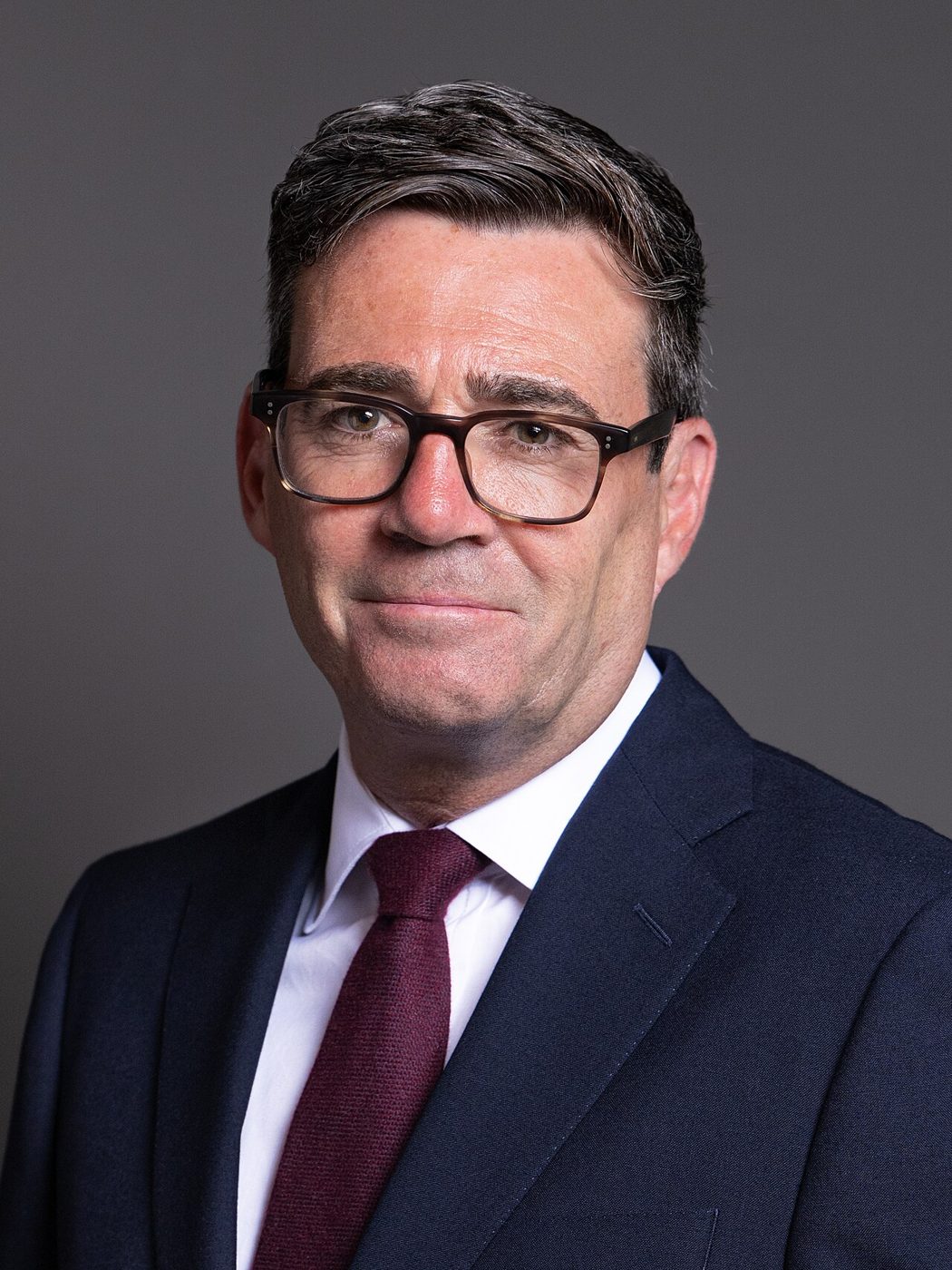
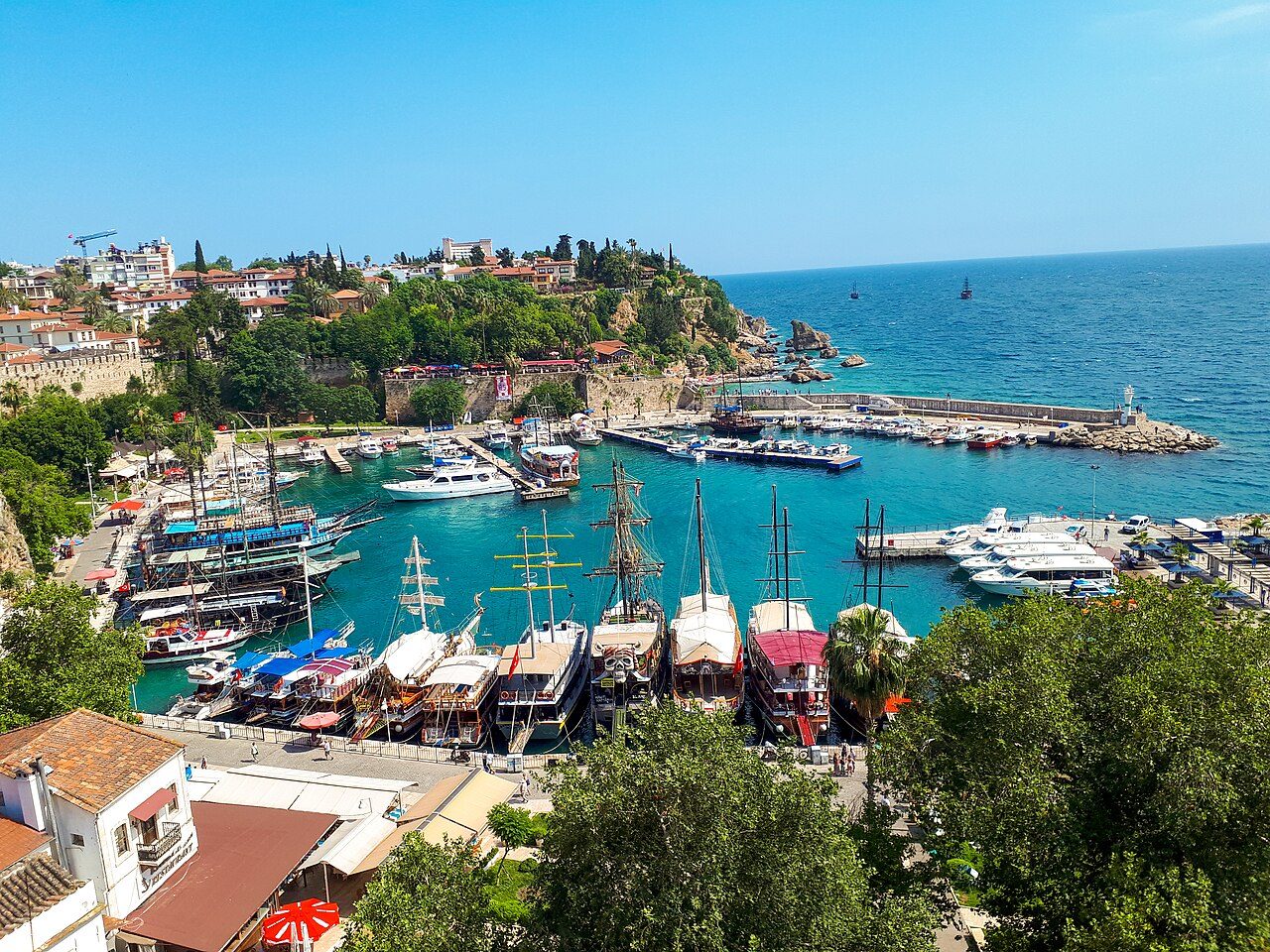
When world leaders gathered in Antalya for the leaders' segment of COP31, one seat stood out. Of the seven heads of government who make up the G7, only one made the journey to Türkiye: the United Kingdom's Prime Minister, Andy Burnham. The other chairs at that top table were filled by ministers and envoys, or left to the imagination.
Against this backdrop, Britain's presence carries a weight beyond its size. For the small island states of the Caribbean, many of them Commonwealth partners with deep historical ties to London, the question is not simply whether Britain turned up. It is what Britain brought with it, how long it stayed to listen, and whether its words will be matched by deeds when the region next counts the cost of a hurricane season.
The Prime Minister's visit was a brief one. According to Sky News on the evening of 11 November, he spent around three hours in Antalya, addressing the summit and holding a small number of bilateral talks, before flying on to a meeting of European leaders at which Jared Kushner and President Volodymyr Zelensky were also present. In diplomacy, brevity is not necessarily a slight, and the search for peace in Ukraine is a weighty claim on any leader's diary. Yet it does invite a gentle question from those who stay behind to negotiate the fine print: was Antalya a destination, or a stop along the way?
What the Prime Minister brought to Antalya
In his address, Mr Burnham sought to strike a note of renewed British leadership. He told delegates that "the climate crisis is upon all of us now" and reaffirmed that the UK "remains determined to reach net zero by 2050." He was also frank about the political climate itself, observing that the consensus the world once enjoyed on science and climate action "has broken down." Coming from the only G7 leader in the room, that remark carried a quiet rebuke to the absent.
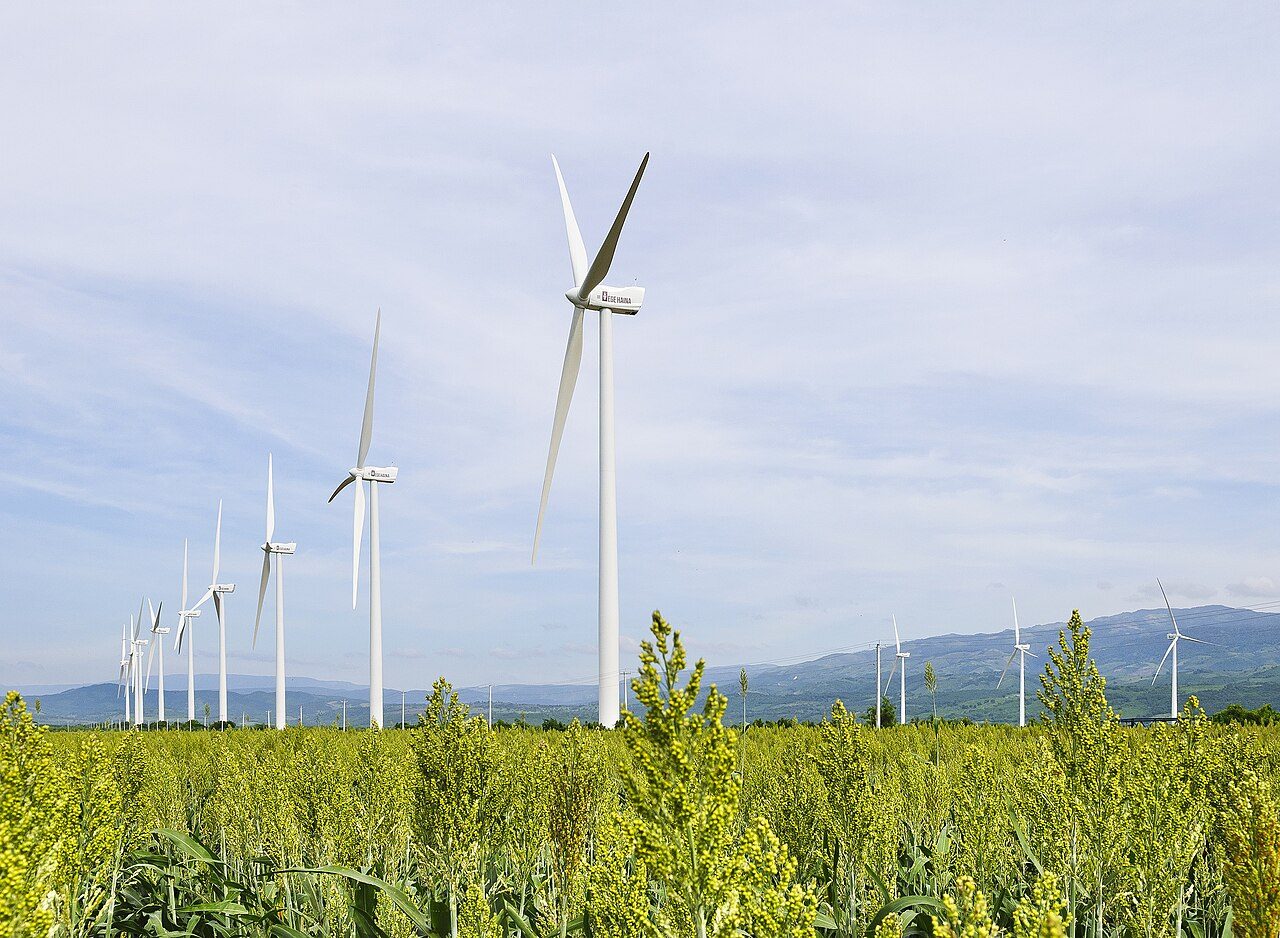
Building on this, the Prime Minister set out several practical commitments. He appointed Dame Madeleine Alessandri as the UK's special representative for climate security, a sign that London now treats the climate as a matter of national and global security. He announced further investment in the Climate Investment Funds' Amplifi initiative, which aims to draw in as much as £12 of private money for every £1 of public funds. He also endorsed the host nation's plan to raise the share of electricity in Türkiye's energy mix from 21% to 35% by 2035, and held talks with Brazil's President Lula on protecting the Amazon through the Tropical Forests Forever Facility.
Taken together, the message was one of a Britain that wishes to be seen as a convener and a bridge, standing firm on its targets while others waver. The tone was measured and constructive. The harder test, as always, lies in the numbers.
Britain's purse and the Caribbean's patience
Yet beneath the surface of a warm speech lies a cooler reality. The UK's international climate finance has been reduced to around £6 billion for 2026 to 2029, roughly £2 billion a year, down from £11.6 billion over the previous five years. Analysts differ on how to measure the cut: Carbon Brief describes it as close to a halving, while others put the real-terms reduction at between 14% and 30%. Britain's contribution to the Green Climate Fund has also reportedly been halved.
For Caribbean governments, this matters a great deal. Britain has long been one of the more dependable sources of grant-based climate finance for small island states, and grants, unlike loans, do not add to debts that are already heavy. A smaller British purse means fewer resilient schools and clinics, fewer sea defences, and slower recovery after the next storm. Critics at home have also pointed to the softening of the electric vehicle target and the Rosebank oil field as signs that ambition and action are drifting apart.
It would be fair to acknowledge that the UK faces real pressures on its public finances, and that private capital, through schemes such as Amplifi, may fill part of the gap. Nevertheless, the Caribbean will be watching closely to see whether that private money actually reaches island economies, which investors have historically considered too small or too risky.
What the Caribbean seeks from COP31
This brings us to the region's own hopes for Antalya. Ahead of the summit, CARICOM environment ministers issued a declaration calling for an outcome that is balanced, ambitious and, above all, focused on implementation. Their priorities are clear: keeping the 1.5°C goal within reach, securing climate justice, and ensuring that small island developing states can actually obtain the means to adapt. The ministers expressed alarm that loss and damage is eroding hard-won development gains and deepening debt, and they described adaptation not as a policy choice but as a matter of survival.
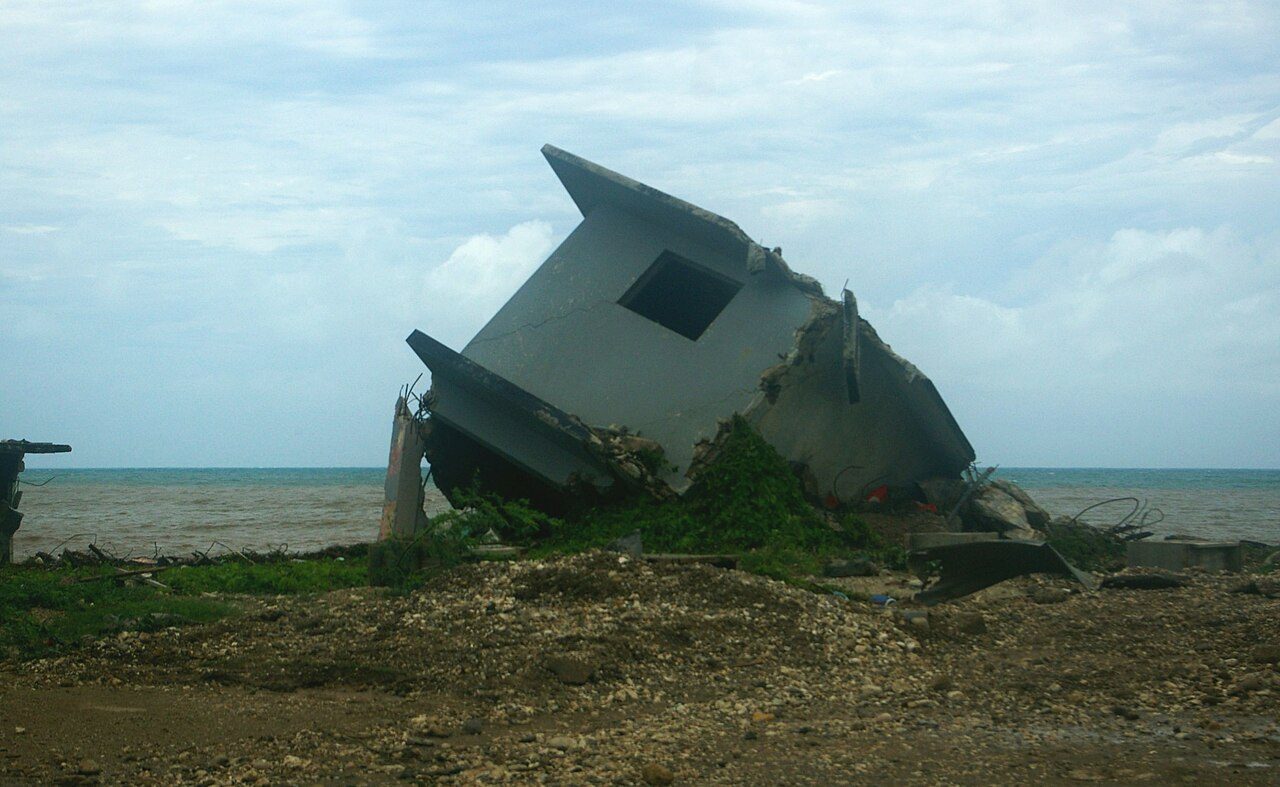
The memory of Hurricane Melissa hangs over these talks. The storm caused an estimated US$10 billion in damage to Jamaica, close to a third of the island's economy. Jamaica's minister Matthew Samuda put the region's position with quiet dignity: "We did not create this crisis, but we refuse to stand as victims." Caribbean negotiators, working with the Alliance of Small Island States and the least developed countries, are pressing for adaptation finance of $120 billion a year or more, and for the Fund for Responding to Loss and Damage to move faster and with far greater resources than it has so far.
Building on this, the region arrives in Antalya better organised than before. In July, CARICOM heads of government agreed to form a separate Caribbean negotiating group within the UN climate process. James Fletcher, CARICOM's Climate Envoy, explained that the Caribbean must become "more strategically organised." He stressed that the region's ties with the G77 and the Alliance of Small Island States remain vital, but that CARICOM also needs the means to coordinate its own positions. He sees the summit's focus on electrification as a real opportunity for the region, which spends heavily on imported fossil fuels while holding plentiful sun, wind and geothermal resources of its own.
Likewise, the Caribbean's call for solidarity has a familiar champion. At COP30 in Belém, Barbados' Prime Minister Mia Mottley called for a "coalition of the willing" to act on climate finance, loss and damage, the needs of ocean states and cuts to methane. Whoever speaks for the region on the stage in Antalya, that agenda remains the Caribbean's common ground.
There are also concerns about the wider direction of travel. Some Caribbean voices, including the economist Byron Blake, have noted that COP30 in Belém failed to commit to a transition away from fossil fuels, and have questioned whether a coal-producing host is best placed to close that gap. The region's diplomats will put the point more gently, but the expectation is the same: fewer communiqués and more cheques that can be cashed without adding to national debt.
From presence to partnership
Ultimately, Britain's solitary seat at the G7 end of the table is both an opportunity and a responsibility. By turning up when others did not, the Prime Minister has earned a measure of goodwill. The Caribbean, which shares with Britain a language, a legal tradition, a Commonwealth bond and a long and painful history, is well placed to help him turn that goodwill into something lasting.
To that end, there are several steps London could take that would be warmly received in Kingston, Bridgetown and Castries. It could ring-fence a fair share of its reduced climate finance for small island states, and deliver it as grants rather than loans. It could champion debt-for-climate swaps and the hurricane pause clauses that Barbados and others have pioneered. It could also make a meaningful pledge to the loss and damage fund, and use its voice in the City of London to steer private capital towards island economies.
In the spirit of friendship, the Caribbean will thank Britain for coming to Antalya. It will also, politely but firmly, ask Britain to stay a little longer at the table. Presence is welcome, but partnership is what the region needs.
Donovan Reynolds is a political commentator and trained diplomat. A human rights practitioner, he writes on Caribbean politics, international development and climate justice for Kingstonmouth.com. He is the author of River Tales and Environmental Realities, available on Amazon and Kindle.
Sources
- Sky News, evening UK broadcast, 11 November 2026: the Prime Minister's three-hour stay and onward meeting (Sky News live)
- The Irish News: the Prime Minister's address and announcements in Antalya
- The Irish Times: European leaders' meeting in Dublin
- Carbon Brief and other analyses: UK international climate finance for 2026–29
- The Jamaica Gleaner, 3 November 2026: CARICOM ministerial declaration ahead of COP31
- The Lowy Institute: the Fund for Responding to Loss and Damage
- Carbon Pulse, 14 October 2026: James Fletcher and the new Caribbean negotiating group
- Barbados national statement at COP30: Prime Minister Mia Mottley's coalition of the willing
- UN Secretary-General and UNEP statements: the projected 2.6°C of warming
Get Kingston Mouth in your inbox
Donovan Reynolds' latest articles and videos on Jamaica, the UK and the world, plus occasional sponsored offers. Unsubscribe any time.
Enjoyed this? Kingstonmouth.com is independent and reader-supported.
☕ Buy us a coffee
Comments
Loading comments…
Leave a comment