
Trump, Putin and Xi “Cosying Up” in China: Shenzhen, Berlin and the Fight for Ukraine’s Future
By Donovan Reynolds, 19 November 2026
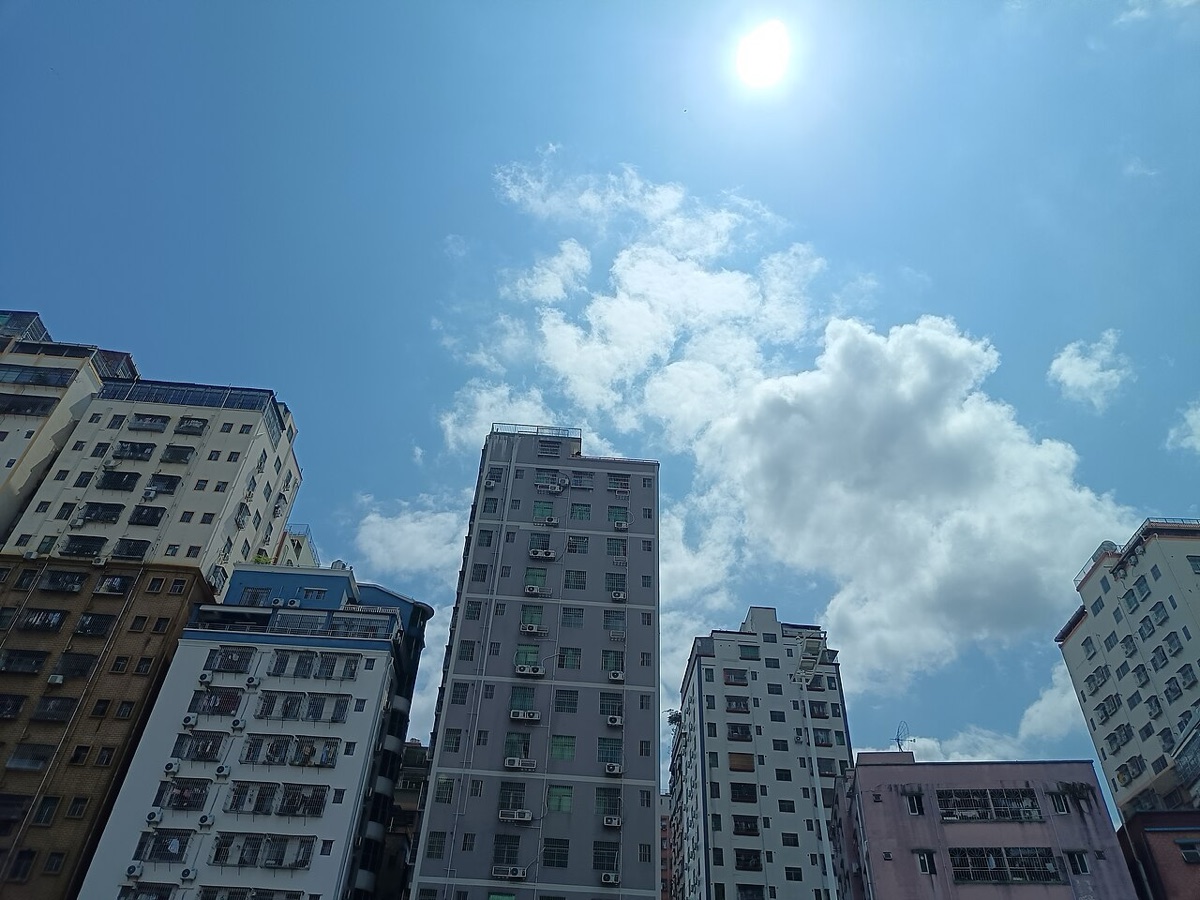
Today the world’s attention is split between two cities nearly nine thousand kilometres apart. In Shenzhen, on the side-lines of the Asia-Pacific Economic Cooperation summit, Chinese President Xi Jinping hosts Russian President Vladimir Putin and US President Donald Trump for the first three-way meeting the leaders of these nations have ever held. In Berlin, German Chancellor Friedrich Merz, French President Emmanuel Macron and British Prime Minister Andy Burnham are hosting the “Coalition of the Willing”, more than twenty leaders gathered behind Ukraine. One table is set by the great powers. The other is set by those who fear being left off the menu.
The Theatre of Shenzhen
In diplomacy, where a meeting happens often matters as much as what is said. By drawing the American and Russian presidents to a Chinese city, Xi presents Beijing as the capital where the world’s problems are now settled. Analysts have been blunt about this. One told CNBC that bringing Putin and Trump to the table in a “first-among-equals scenario” would deliver much of the political benefit to Beijing, whatever the talks produce.
The welcome was staged with care. Xi broke with protocol to greet Trump personally at Shenzhen’s airport, a gesture returning the courtesy Trump showed Xi at the White House in September, and fighter jets flew overhead trailing coloured smoke. These are not small touches. They are the language of a host who wishes to be seen as the senior partner in the room.
The official agenda is broad: nuclear arms control, which Trump has long championed, the Iran war, trade and, at Trump’s insistence, Russia’s war in Ukraine. Yet few observers expect firm agreements. Yun Sun of the Stimson Center put it simply, telling Radio Free Europe that China will focus on the symbolism rather than any specific deal. On nuclear weapons, Beijing has already said that the United States and Russia, with far larger arsenals, must cut first.
The Ghost of Yalta
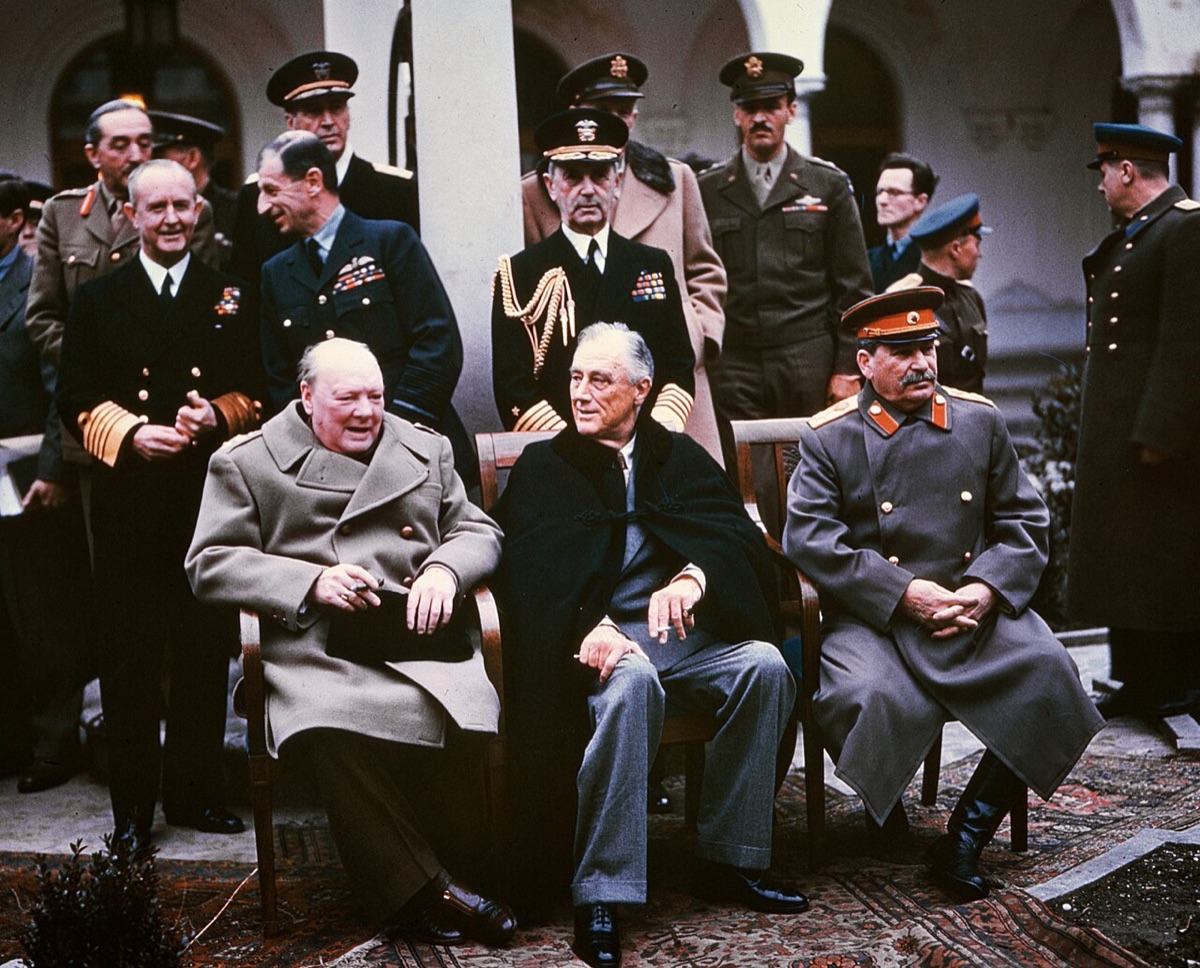
It is no surprise that many commentators have reached for Yalta, the 1945 conference at which Roosevelt, Churchill and Stalin shaped post-war Europe while smaller nations waited outside. Ukraine’s President Volodymyr Zelenskyy has made his own fears plain: “We don’t want to have Yalta 2.0.”
However, the comparison has its critics. Specialists point out that today’s world has far more independent actors able to frustrate the plans of great powers than in 1945. Bobo Lo of the Lowy Institute notes the irony that three men deciding global questions sits uneasily with Beijing’s own talk of “democratising” international relations. Others argue that dialogue between the three largest nuclear powers is valuable in itself, even if turning words into verifiable limits will be very hard.
Who gains most? Several analysts point to Putin. A Hudson Institute fellow argues that simply sitting at this table helps him end Russia’s isolation and present himself as a statesman shaping Ukraine’s future, without having won that future on the battlefield. For Xi, the prize is standing. For Trump, weakened at home after his party’s midterm losses, it is the image of the dealmaker who can talk to anyone.
Burnham’s Message from the Despatch Box
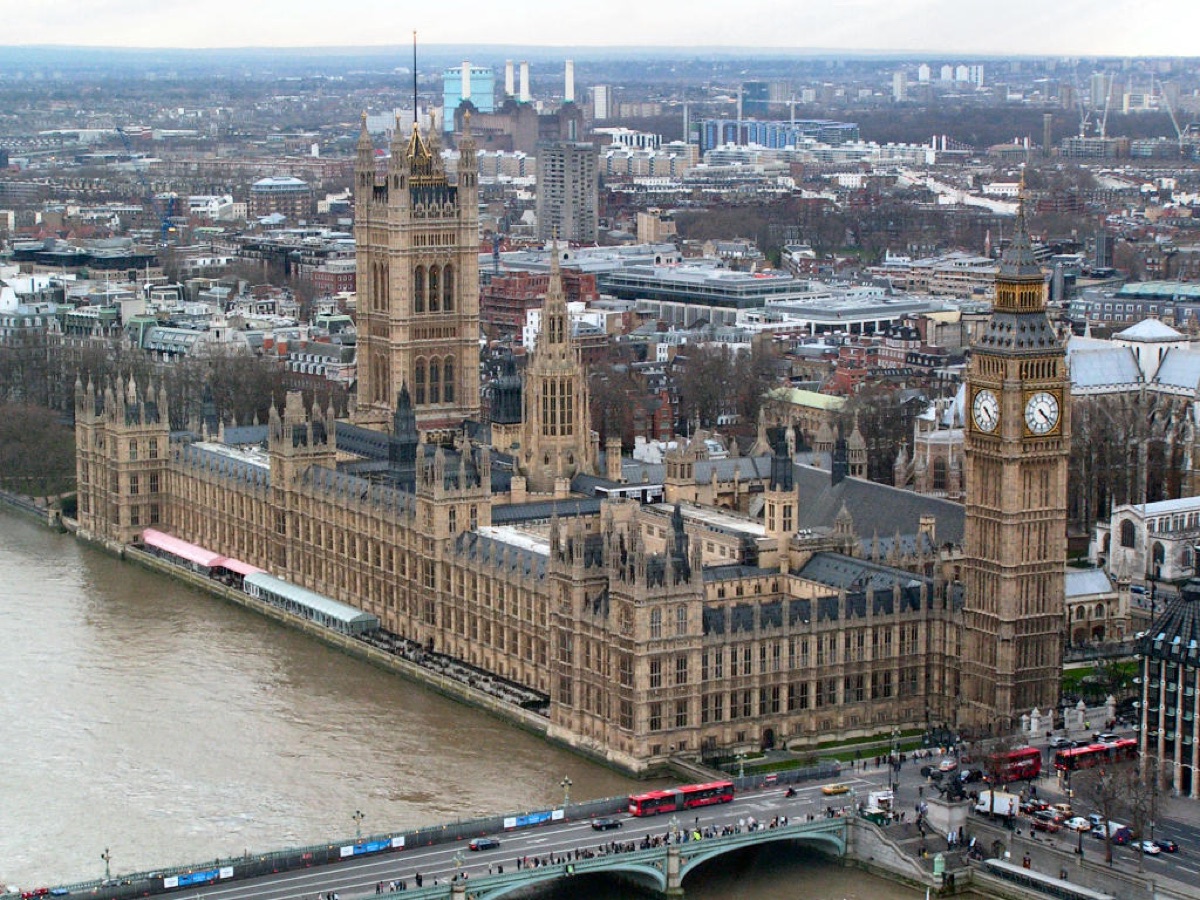
Against this backdrop, Andy Burnham chose his words at Prime Minister’s Questions carefully. Pressed by Liberal Democrat leader Ed Davey, who argued that the sight of Trump, Putin and Xi “cosying up” should push Britain towards a fresh deal with the European Union, Burnham replied that while the meeting took place in China he would be in Berlin, and that the message should go out that “this country is squarely with Ukraine.”
It was a firm statement of solidarity. Yet it is worth noticing what he did not say. He did not answer Davey’s point about the European Union, and his spokesman later stressed that Britain’s position on Ukraine was unchanged across governments and that a meeting with Putin was not on the agenda. Britain, outside the EU since Brexit, still wants to lead in European security while keeping its distance from the European project itself. That balancing act grows harder every time the great powers meet without Europe.
Berlin’s Counter-Summit
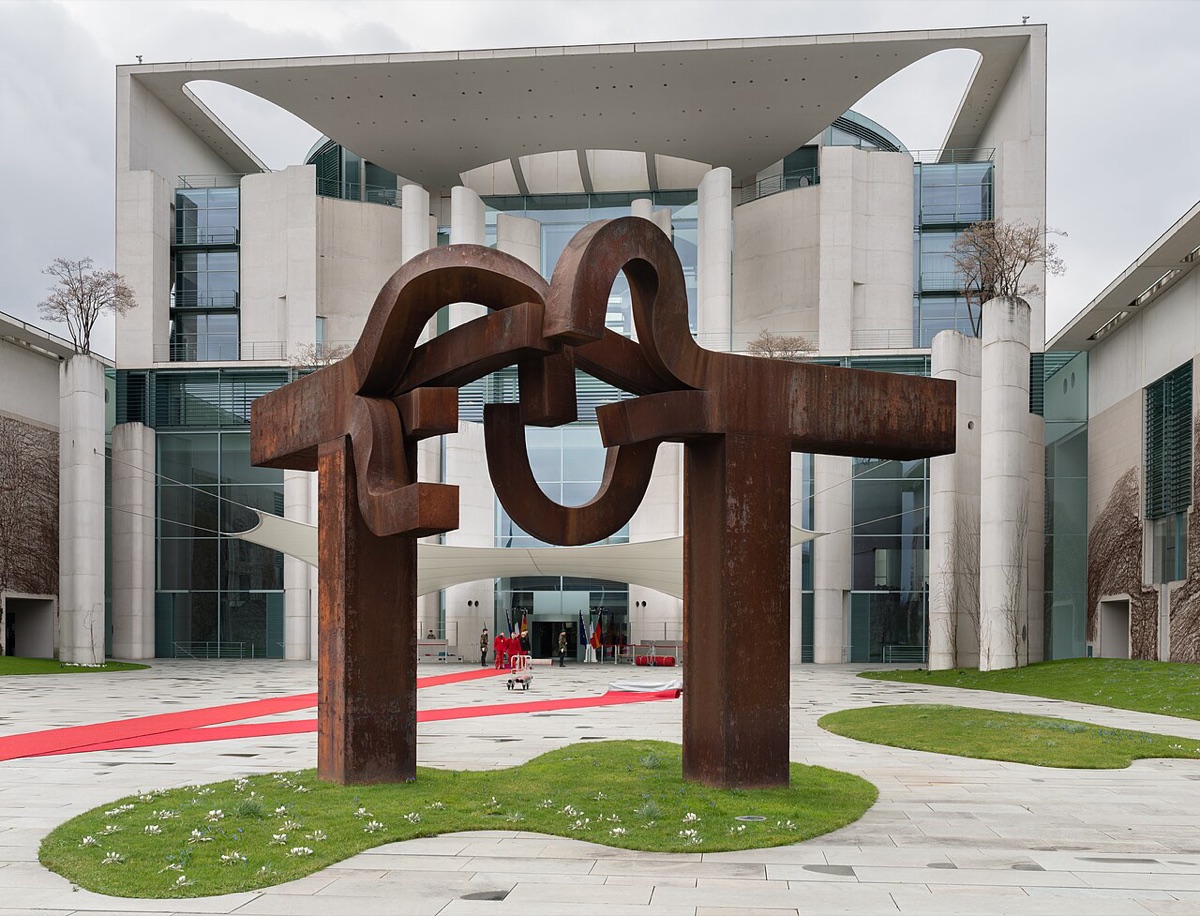
This brings us to Berlin. The meeting at the Federal Chancellery carries the theme “United for Peace in Ukraine and European Security”, and its timing is no accident. European officials have said openly that it is designed to let Ukraine’s allies respond quickly and together to whatever comes out of Shenzhen. Burnham has said the gathering will show that Europe remains “united as ever in securing a just and lasting peace”.
The contrast between the two images is striking. In southern China, three nuclear powers discuss a European war with no European in the room. In Berlin, some twenty leaders, most of them European, sit with Zelenskyy to insist that nothing about Ukraine should be decided without Ukraine.
Yet the picture is not a simple split between East and West. Washington has a foot in both rooms. Trump’s envoys Steve Witkoff and Jared Kushner are reported to be attending the Berlin meeting and joining the leaders’ press conference, and US officials say they will brief Ukraine’s negotiators there on Trump’s talks in China. America, it seems, wants to keep both tables in play.
What It Means for the Rest of Us
For readers in Jamaica and across the Caribbean, it would be easy to treat all this as a distant quarrel between big powers. That would be a mistake. When three leaders try to manage world affairs among themselves, the first casualty is the voice of smaller nations. Europe, with all its wealth and its armies, is struggling to win a seat at the table. A single Caribbean island, speaking alone, would struggle far more.
Likewise, the lesson of Berlin is that influence comes from unity. Europe’s leaders are not waiting to be told what was decided in Shenzhen; they have organised to answer together. That is precisely the case I have long made for the West Indies: an integrated Caribbean speaking with one voice to Washington, London, Brussels and Ottawa, and building stronger South–South ties with Africa and Latin America, so that our interests are heard wherever the great powers gather.
In the end, today’s summit in Shenzhen may produce more photographs than agreements. Most analysts expect restated positions and little more. But symbols shape politics, and the image of three men deciding the fate of others is one that small nations should study closely. The real test will come tonight, when Berlin gives its answer, and in the weeks ahead, when we learn whether Europe and Ukraine are given a seat at the table or merely told what was agreed in their absence.
Donovan Reynolds is a political commentator and trained diplomat.
Sources
- CNN: Trump to meet with China’s Xi and Russia’s Putin at historic trilateral sit-down (13 Nov 2026)
- CNBC: China confirms Xi-Trump-Putin meeting in first three-way summit (16 Nov 2026)
- NBC News: Live updates, Trump in China for APEC
- Express Tribune: Big Three converge for ‘mini Yalta’
- RFE/RL: Optics over substance expected at Trump-Xi-Putin summit
- Brookings: Trump, Xi, and Putin, what to expect from the APEC summit
- The Conversation: Xi-Trump-Putin summit, when great powers want to call all the shots
- Yahoo News: Burnham, UK ‘squarely behind Ukraine’ as Trump, Putin meet in China
- ThePrint (Reuters): Ukraine’s European allies meet in Berlin in show of support
- Deutschland.de: Merz hosts meeting of the Coalition of the Willing in Berlin (14 Nov 2026)
- Kyiv Post: Witkoff and Kushner to join Coalition of the Willing summit in Berlin
- CNN: APEC summit latest, Trump receives warm reception from Xi and Putin
Get Kingston Mouth in your inbox
Donovan Reynolds' latest articles and videos on Jamaica, the UK and the world, plus occasional sponsored offers. Unsubscribe any time.
Enjoyed this? Kingstonmouth.com is independent and reader-supported.
☕ Buy us a coffee
Comments
Loading comments…
Leave a comment