
Laying the Federal Ghost to Rest: Why Patterson and Golding Are Right About Caribbean Integration
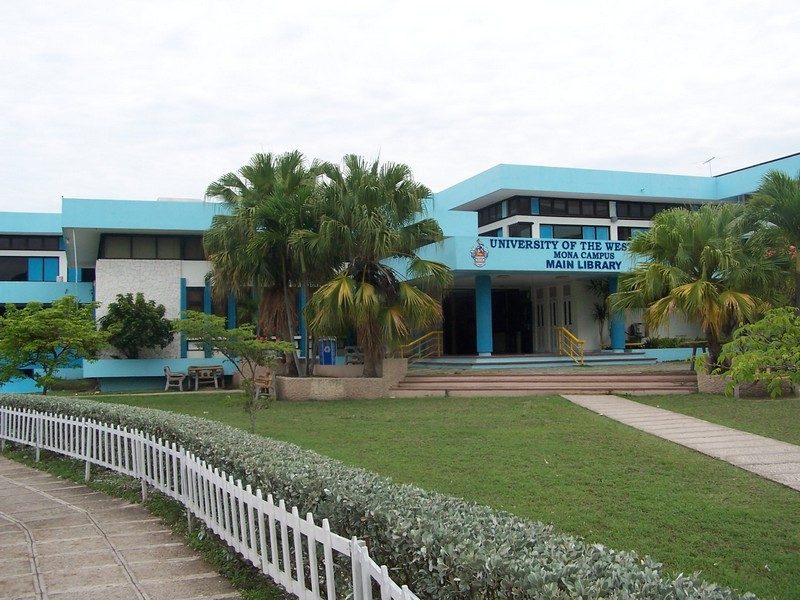
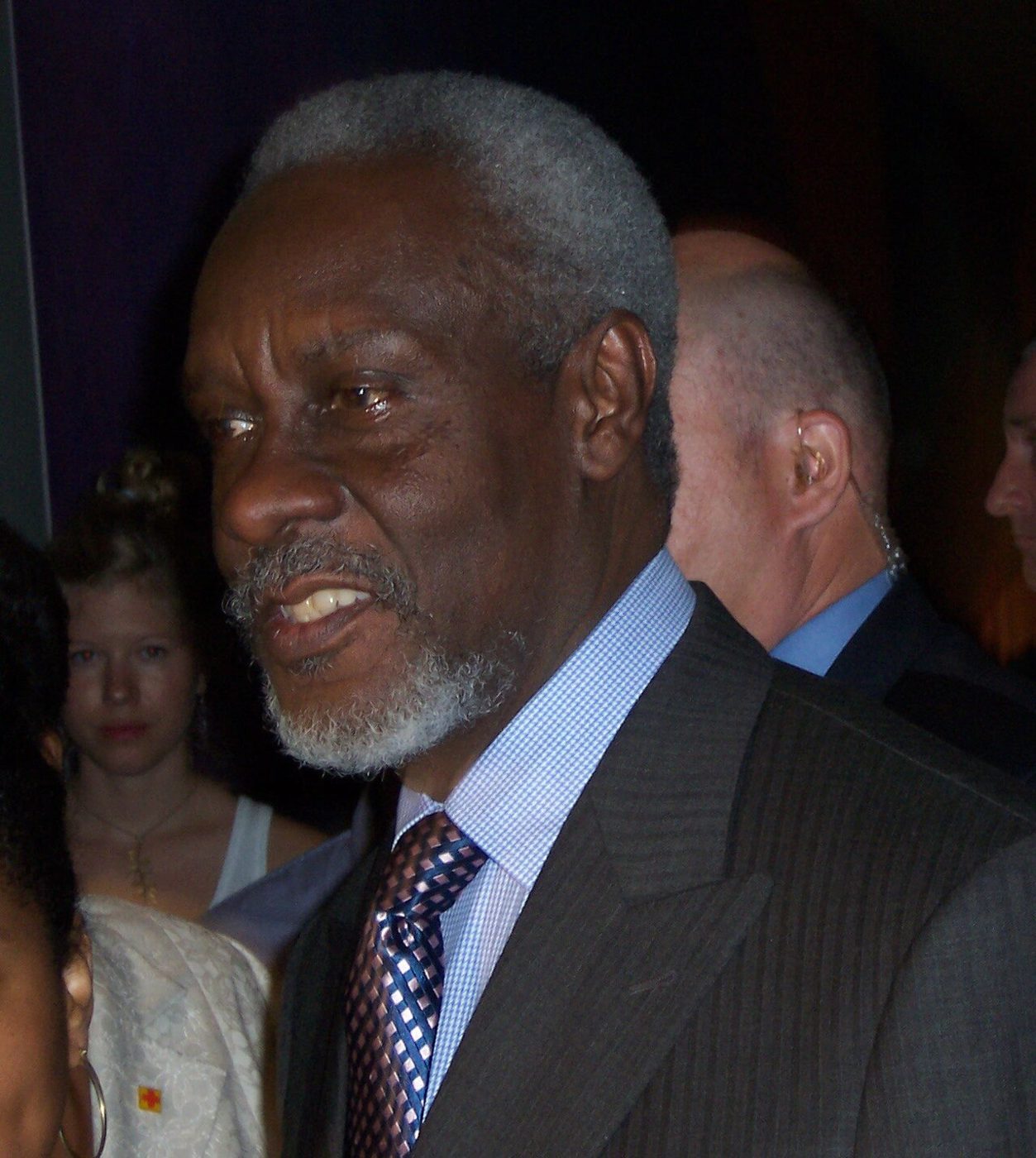
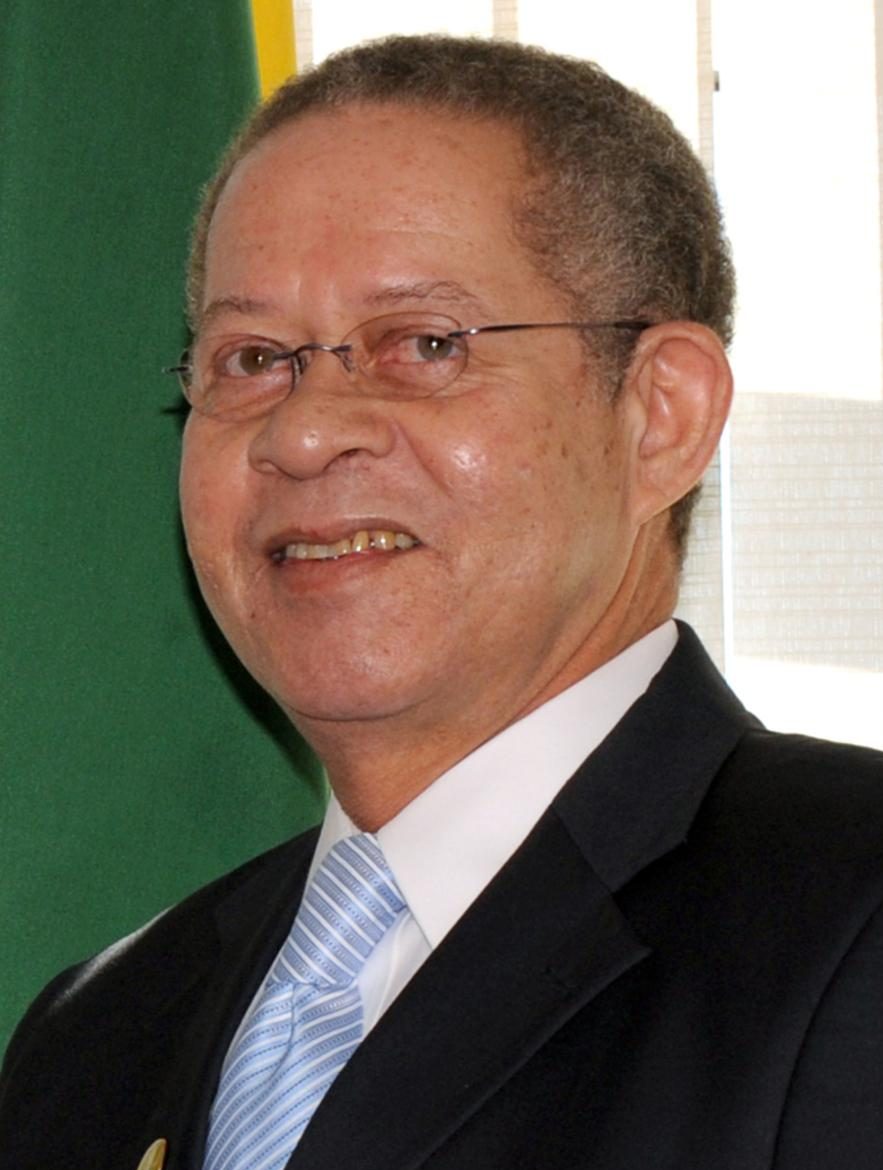
It is not every day that two former prime ministers from opposite sides of Jamaica's political divide share a platform and deliver the same verdict. Yet that is exactly what happened at the University of the West Indies, Mona, at the launch of Sir Kenneth Hall's new book, Caribbean Integration: The Patterson Doctrine – Governance, Transformation and the Future of the Caribbean Community. PJ Patterson and Bruce Golding, one a lifelong son of the PNP and the other a former leader of the JLP, agreed that the regional integration project has delivered some gains but remains far short of what its founders imagined. They are right. More importantly, the region should treat their shared diagnosis not as a nostalgic lament but as a call to action.
A verdict that crosses party lines
Golding's assessment was blunt. He questioned whether the founding generation of Manley, Barrow, Williams and Burnham would even recognise the Caribbean Community as it stands today. The early enthusiasm, he said, has faded considerably, and he placed the blame squarely on insularity, weak conviction and a lack of political will. Patterson, for his part, captured the region's psychological burden in a single line: "After more than six decades, we still seem haunted by the Federal ghost."
That these two men agree is itself significant. Patterson, Jamaica's longest-serving prime minister, has long been one of the region's foremost champions of integration. Golding, by contrast, comes from the political tradition that led Jamaica out of the West Indies Federation. When a former JLP prime minister stands at Mona and laments the lack of regional conviction, the debate has moved beyond party tribalism. Integration is no longer a PNP cause or a JLP suspicion; it is a national and regional necessity that both traditions now acknowledge.
The long shadow of 1961
To understand why the ghost still lingers, we must return to the beginning. The West Indies Federation was launched in 1958 with great hope, only for Jamaicans to vote to leave it in the referendum of September 1961. Within months the Federation had collapsed. Ever since, Jamaican politics has treated regionalism with a mixture of caution and suspicion, as though any deeper commitment might reopen old wounds.
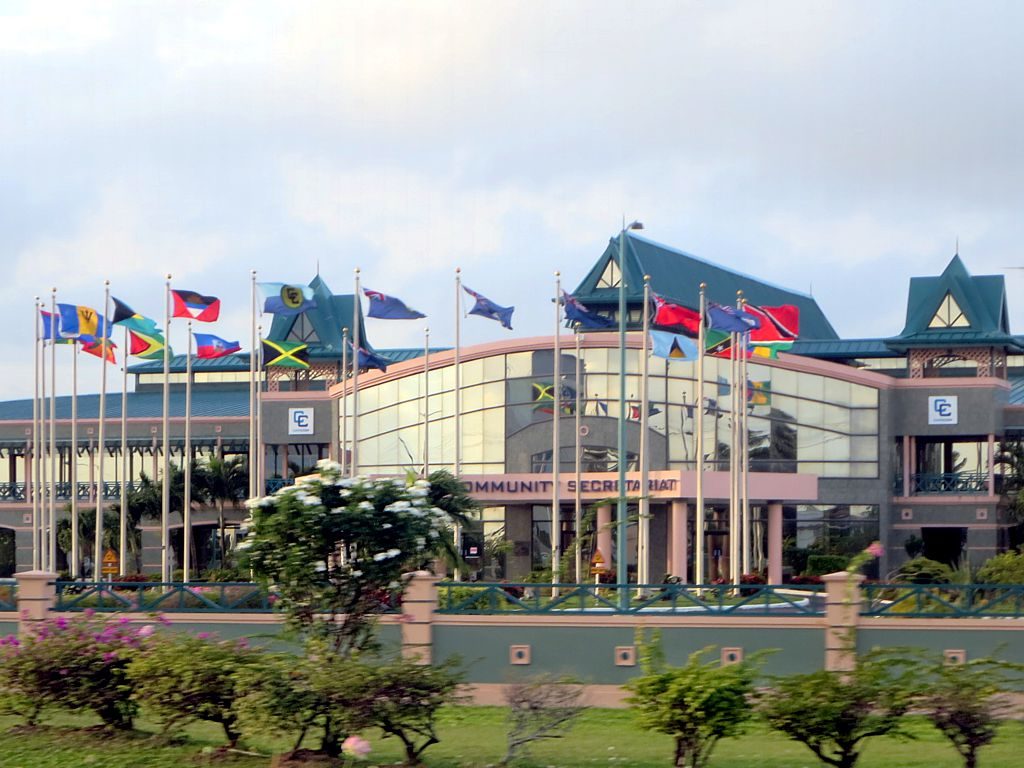
Against this backdrop, CARICOM was born in 1973 under the Treaty of Chaguaramas as a more careful successor, one built on cooperation rather than political union. The Revised Treaty later promised a Single Market and Economy, with the free movement of goods, services, capital and people at its heart. Yet more than half a century after Chaguaramas, the most human of those freedoms, the right of a Caribbean citizen to live and work anywhere in the Community, remains incomplete.
The evidence of drift
Golding's observation that the Eastern Caribbean has gone much further than the wider Community is borne out by the facts. The member states of the OECS have long allowed their citizens to move freely among themselves. Building on this example, Barbados, Belize, Dominica and St Vincent and the Grenadines launched full free movement among themselves on 1 October 2025, using the enhanced cooperation provisions that allow a willing group to proceed while others catch up. By mid-2026, Grenada and St Lucia had signalled that they were taking steps to join them.
Jamaica, however, remains on the sidelines. The government has repeatedly restated its commitment to full free movement while pointing to internal constraints. Yet the experience of the pioneering four undermines the old fear of being overwhelmed. Barbados Prime Minister Mia Mottley reported that fewer than 1,000 people had used the regime in its first nine months or so. The floodgates did not open. What opened instead was a door, and Jamaica has yet to walk through it.
This is precisely what Golding meant by weak conviction. The obstacles are no longer primarily legal or technical. They are political and psychological, and they can be overcome only by leaders willing to make the case to their own people.
A dangerous world for small states
Yet beneath the surface of this debate lies a more urgent reality. Patterson warned that global politics is becoming more isolationist than integrative, and that the uncertainty of the present moment is without precedent, even when measured against the upheavals of the past. Golding added that weak integration leaves the region exposed to outside interference, exploitation and disruption.
Both warnings deserve to be taken seriously. Individually, Caribbean states are price-takers in trade, supplicants in finance and bystanders in great-power rivalry. Together, fifteen member states can speak with a single voice in international forums, negotiate as a bloc and resist being picked off one by one. Patterson's call for a foreign policy grounded in core principles, rather than narrow bilateral deals or deference to powerful interests, is therefore not idealism. It is the most practical form of self-defence available to small states in a hostile world.
Rodney's lesson and the Global African Community
This brings us to the deeper intellectual roots of the integration argument. Walter Rodney taught us in How Europe Underdeveloped Africa that underdevelopment is not a natural condition but the product of a relationship, one in which colonised economies were organised to serve the metropole rather than each other. The Caribbean inherited precisely this pattern: island economies connected to London, Washington or Toronto, but barely to one another. Seen in this light, regional integration is unfinished decolonisation. Every barrier between Kingston and Bridgetown, or between Georgetown and Port of Spain, is a legacy of an order designed to keep us apart.
Likewise, Patterson's proposal for a Global African Community, a coalition of people and organisations of African birth or descent across Africa and its diaspora, extends this logic beyond the Caribbean Sea. He named communities in the United States, Canada, Brazil, Central and South America, the United Kingdom and the Middle East. As a Jamaican living in London, I can attest that the diaspora is not merely a source of remittances. It is a reservoir of skills, capital, institutional knowledge and political influence that the region has scarcely begun to mobilise. The African Union already recognises the diaspora as its sixth region; the Caribbean should be at the centre of that conversation, not on its margins.
From conviction to action
Patterson noted that Sir Kenneth Hall's book challenges the region to close the gap between its institutions and the citizens they serve, through stronger governance, production integration and a renewed sense of shared purpose. Building on this, several steps follow naturally.
First, Jamaica should commit to a timetable for joining full free movement. If Patterson and Golding can agree on the diagnosis, then the current government and opposition can surely agree on the cure, and a bipartisan approach would remove the issue from the cycle of electoral point-scoring.
Second, integration must become about production, not just trade. Shared investment in food security, regional transport and energy would give ordinary people tangible reasons to believe in the Community.
Third, the Community must reach its citizens. Integration has too often been a conversation among heads of government and technocrats. It should be taught in our schools, debated in our parishes and shaped by civil society, trade unions, young people and the diaspora.
Finally, the region needs a coherent, principled foreign policy, coordinated through CARICOM and connected to Africa and the wider diaspora, as Patterson envisages.
Conclusion
The Federal ghost will not be exorcised by speeches, however eloquent. It will be laid to rest only by action: by leaders who choose conviction over caution, and by citizens who demand that the promise of Chaguaramas be fulfilled. When a PNP elder statesman and a former JLP prime minister stand together at Mona and say that the region has lost its way, the rest of us should listen. More than that, we should hold today's leaders to the standard that both men set. The founding generation dreamed of a Caribbean that would stand on its own feet in the world. In an age of isolationism and uncertainty, that dream is no longer a luxury. It is a matter of survival.
Donovan Reynolds is a political commentator and trained diplomat.
Get Kingston Mouth in your inbox
Donovan Reynolds' latest articles and videos on Jamaica, the UK and the world, plus occasional sponsored offers. Unsubscribe any time.
Enjoyed this? Kingstonmouth.com is independent and reader-supported.
☕ Buy us a coffee
Comments
Loading comments…
Leave a comment