
Diplomacy by Visa Bond: Washington's Deportee Deals and the Bullying of the Caribbean
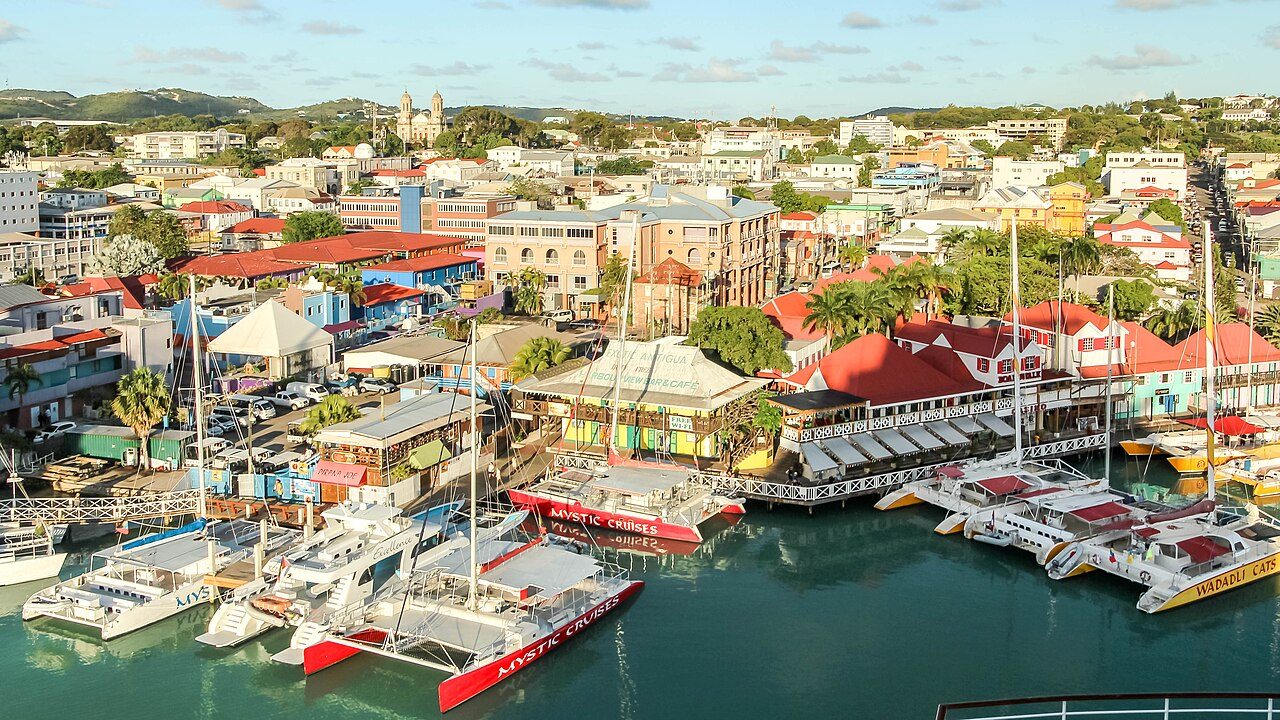
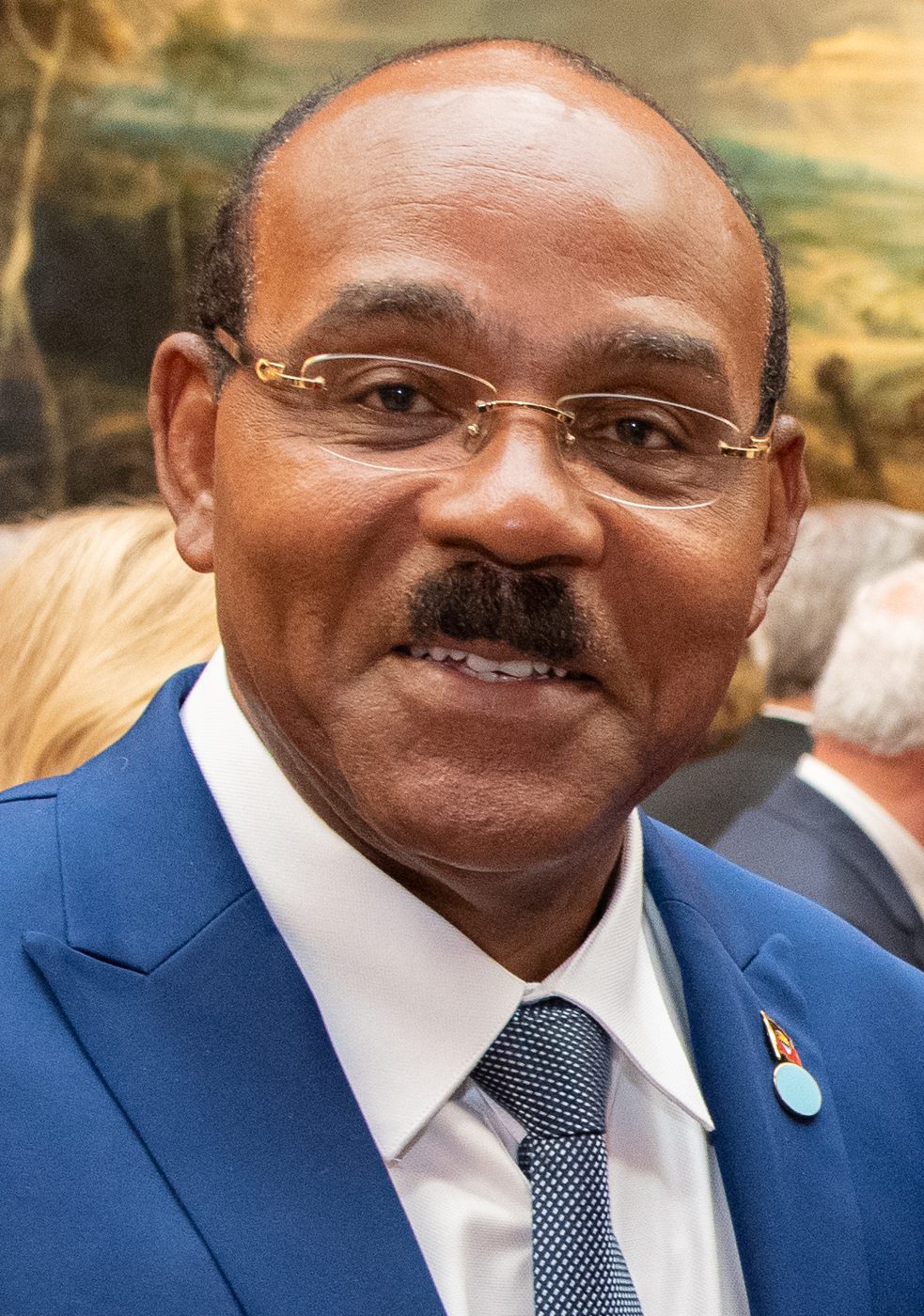
When the leader of a sovereign Caribbean nation stands before his regional colleagues and says that his country has been coerced, the rest of us should pay attention. That is precisely what Antigua and Barbuda's Prime Minister Gaston Browne did at the opening of the 78th OECS Authority meeting in St John's this summer. Speaking of Washington's request that Eastern Caribbean states accept deportees who are not their own citizens, he told his fellow heads of government that the region had been "coerced to take these deportees", adding that those who refuse to cooperate are punished. His words deserve more attention than they have received, because they describe a pattern that now reaches from St John's to Kingston.
What Washington is asking
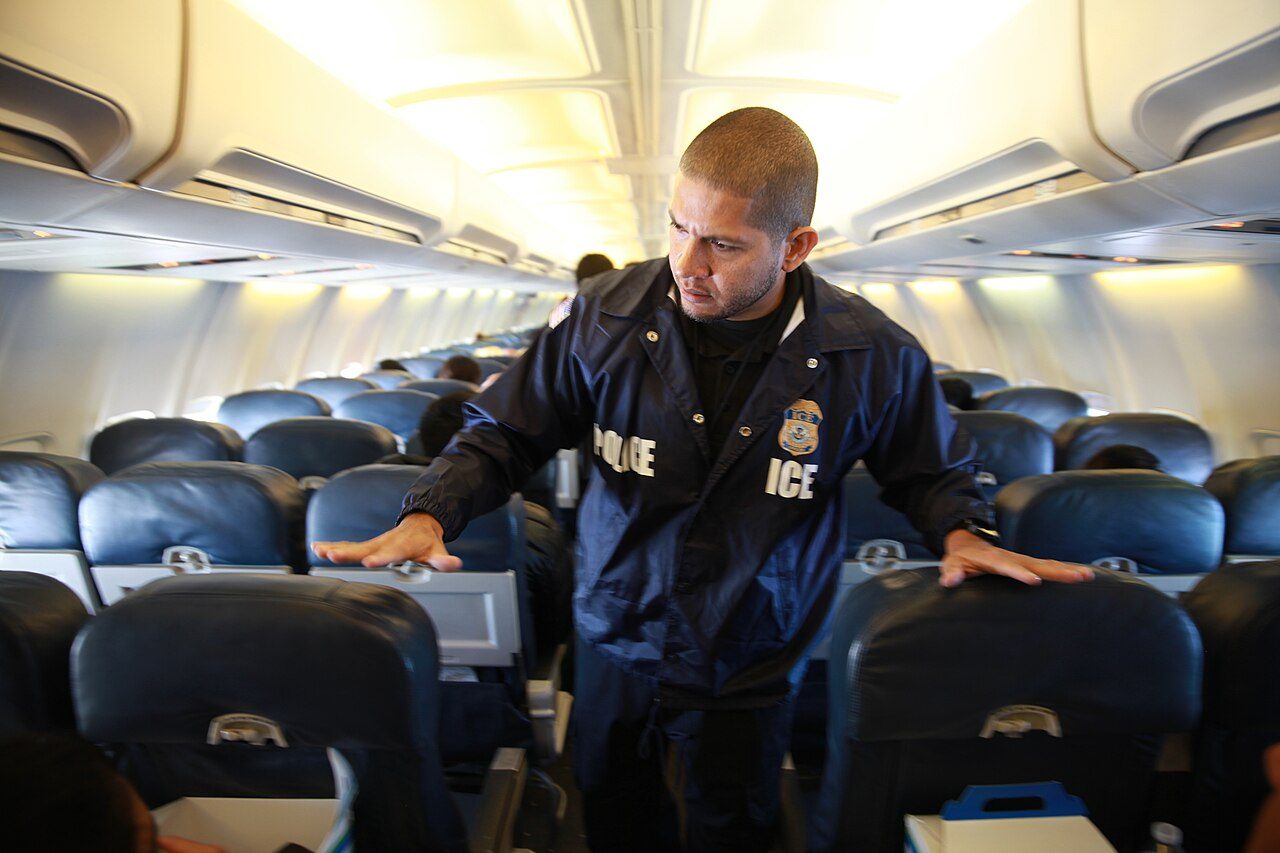
As part of its mass deportation drive, the United States has been asking small states to accept so-called third-country nationals: migrants it cannot or will not return to their countries of origin. These are people with no ties to the islands to which they are sent. Across the world, at least 35 countries have now entered into such arrangements, according to Third Country Deportation Watch, a project linked to Refugees International and Human Rights First.
The Caribbean has not been spared. Antigua and Barbuda, Dominica, St Kitts and Nevis and St Lucia have all signed memoranda of understanding with Washington. Dominica has agreed to take fewer than 30 people a year, while St Kitts received its first deportees in May. Jamaica, too, has signed a memorandum with the US Department of Homeland Security to accept up to 25 people every two weeks, and in October it received its first flight.
The stick behind the request
Against this backdrop, it is worth examining how these agreements came about. In December 2025 the Trump administration announced visa restrictions on the citizens of Antigua and Barbuda and Dominica, formally citing concerns about their Citizenship by Investment programmes and visa overstays. From January 2026, nationals of both countries were required to lodge refundable bonds of between US$5,000 and US$15,000 merely to apply for a visa to visit the United States. For small nations whose families, students and businesses depend on travel to America, this was a heavy blow.
Within weeks, both governments had agreed to accept third-country deportees. The timing was not lost on anyone. Regional commentators widely read the agreements as an attempt to ease the visa restrictions, and reporting on a memo from US Secretary of State Marco Rubio suggested that countries willing to accept deportees could alleviate some of Washington's concerns. Browne himself has linked the two issues openly, and in August he wrote to President Trump asking for his country to be removed from the restrictions and the bond programme, pointing to its cooperation on deportations.
Yet even cooperation has its limits. Washington reportedly wanted Antigua and Barbuda to accept 120 deportees with no guarantees about who they were. Browne refused, offering instead to accept 10 a year, subject to background checks and proper travel documents. That a small nation must haggle over how many strangers it will receive, under the shadow of visa penalties, tells us everything about the balance of power in these negotiations.
Is this bullying?
Washington would deny it. Its officials say the visa measures are about security and compliance, not leverage, and Caribbean governments that have signed agreements insist they did so on their own terms. Dominica's Prime Minister Roosevelt Skerrit has described his country's deal as a pragmatic step to protect a vital relationship. In Kingston, National Security Minister Dr Horace Chang has argued that Jamaica's arrangement is a structured, managed transit process rather than a dumping exercise.
However, the definition of bullying does not depend on whether the weaker party eventually signs. It depends on whether consent was freely given. When a superpower imposes penalties on a small state's citizens, then makes clear that cooperation on its domestic priorities could ease those penalties, the resulting agreement cannot be described as a meeting of equals. The pattern is not confined to our region either. Third Country Deportation Watch reports that some of these arrangements have emerged amid threats of visa restrictions, tariffs and other forms of pressure, alongside at least US$44 million in direct payments to cooperating governments. Carrot and stick, in other words, applied to nations with little room to say no.
It is also worth noting that the legal foundations of this policy are far from settled in the United States itself. A US federal district court struck down the third-country removal policy as unlawful in February 2026, yet it continues to be enforced while appeals proceed. Caribbean governments are being asked to underwrite a policy that America's own courts have questioned.
The human rights dimension
This brings us to the people at the centre of these deals. As a human rights practitioner, I share the concerns raised by Jamaicans for Justice. The organisation has warned that once deportees land on Jamaican soil, Jamaica assumes legal responsibility for them, and that if onward removal fails, they could be trapped on the island indefinitely. It has also questioned whether Jamaica is equipped to carry out proper asylum assessments, with interpreters, legal counsel and adequate time for people to make their case. Its executive director, Mickel Jackson, warned that Jamaica must not become a backdoor route for any state to bypass international refugee protections.
The principle of non-refoulement, which forbids returning people to places where they face persecution or serious harm, is a cornerstone of international law. Small states that once championed decolonisation and human rights at the United Nations should be wary of becoming waystations in a system designed to move vulnerable people beyond the reach of those protections. Likewise, the secrecy surrounding several of these agreements is troubling. In Dominica, the public learned of the deal only after it had been signed, and in Jamaica the Opposition PNP has accused the government of keeping the negotiations from the people.
Divide and rule
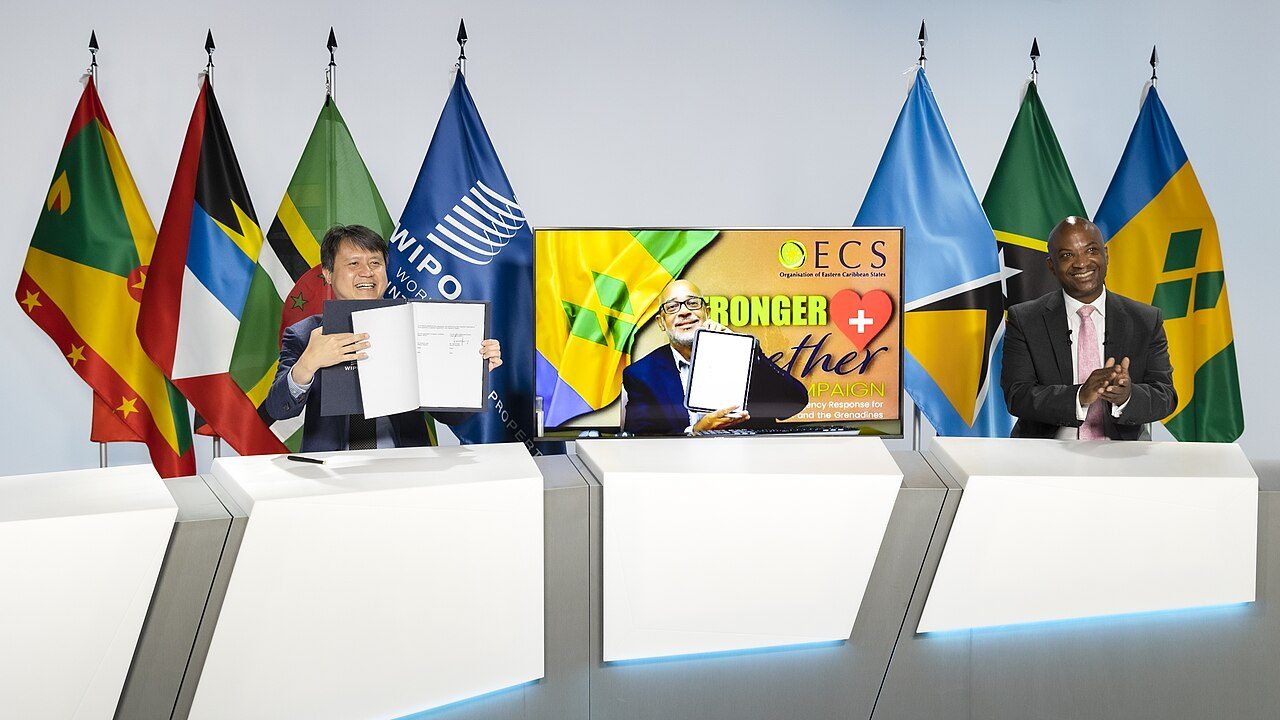
Yet beneath the surface lies an even deeper problem. These agreements have been pursued country by country. As St Vincent and the Grenadines' Prime Minister Dr Godwin Friday observed, the requests come bilaterally from Washington to each individual state, even though the OECS operates free movement among its members. A person relocated to one island can, in principle, affect all of them. Every bilateral deal therefore weakens the collective position of the whole.
To their credit, OECS leaders have recognised this. In January they agreed that the requests should be met with a united regional approach, and in June they established a high-level advisory team to guide negotiations with the United States. But by then several states had already signed. The lesson is painfully familiar: a region that negotiates one island at a time will be dealt with one island at a time.
This is exactly what former Prime Minister Bruce Golding warned of at UWI Mona this week when he said that weak integration leaves the Caribbean exposed to outside interference, exploitation and disruption. The deportee deals are that warning made real. Had CARICOM spoken with one voice from the outset, insisting on common standards, full transparency, human rights safeguards and a collective response to visa penalties, Washington would have faced a bloc of fifteen nations rather than a queue of individual supplicants.
What the region should do
First, CARICOM should adopt a common position on third-country deportations, including minimum human rights safeguards, caps on numbers and a requirement that every agreement be published in full.
Second, no further agreements should be signed bilaterally without regional consultation, particularly among states that share free movement.
Third, the region should raise the link between visa penalties and deportee requests in international forums, including the Organisation of American States and the United Nations, where small states carry collective weight.
Finally, Caribbean governments must be honest with their own people. Agreements that affect national security, public resources and international legal obligations should be debated in Parliament, not revealed after the fact.
Conclusion
The Caribbean has known coercion before. Our history was shaped by powerful nations deciding who would be moved, where and on what terms. It would be a bitter irony if, in the twenty-first century, our sovereign states became instruments of another power's removal policy because they lacked the unity to refuse. Gaston Browne has named the problem. The question now is whether the region has the collective will to answer it.
Donovan Reynolds is a political commentator, human rights practitioner and trained diplomat.
Get Kingston Mouth in your inbox
Donovan Reynolds' latest articles and videos on Jamaica, the UK and the world, plus occasional sponsored offers. Unsubscribe any time.
Enjoyed this? Kingstonmouth.com is independent and reader-supported.
☕ Buy us a coffee
Comments
Loading comments…
Leave a comment