
Removed Without Notice: Britain's Asylum Bill and the Windrush Promise
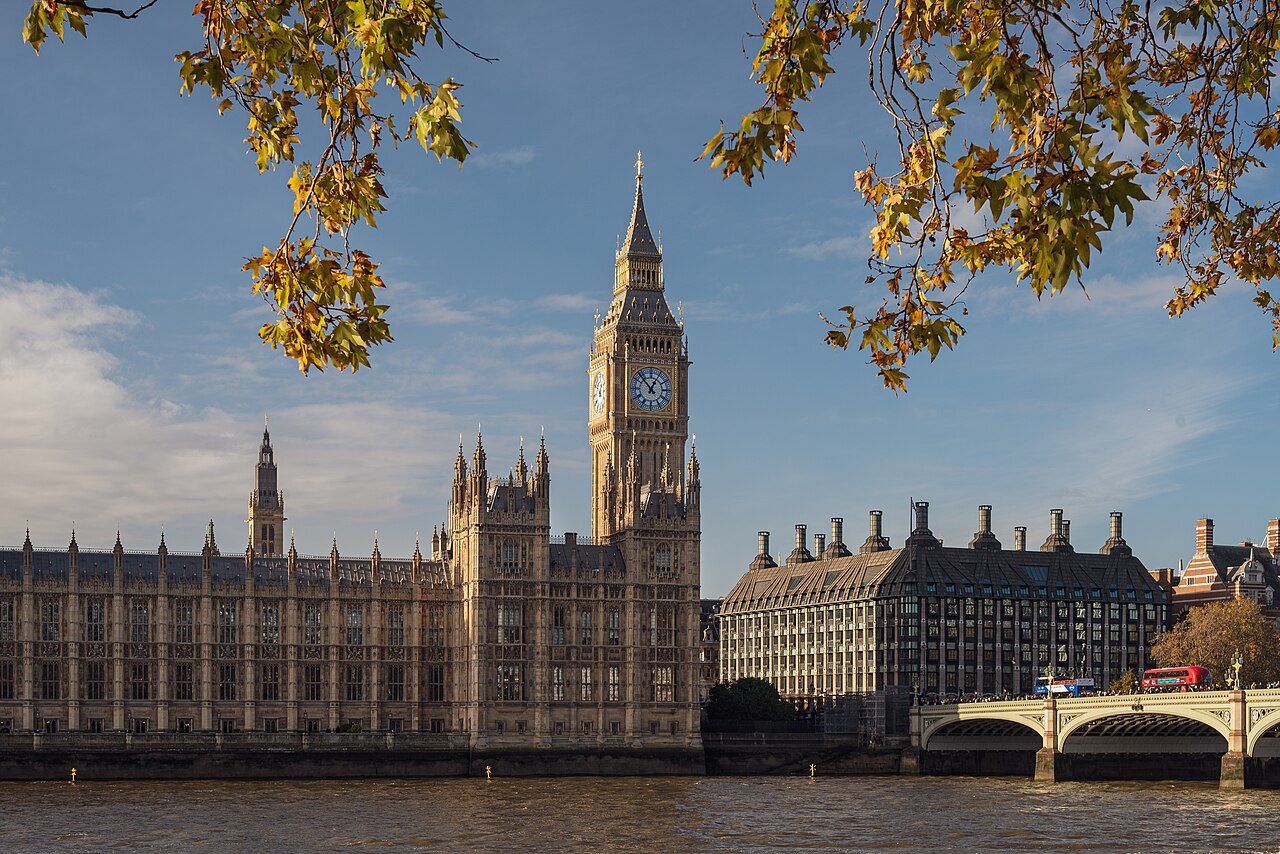
As the Immigration and Asylum Bill returns to the Commons, ministers want to scrap the five-day warning before removal and to open a door in the 1973 protection that shields the Windrush generation. We ask which safeguards Parliament must keep.
Today, Tuesday 17 November, the government's Immigration and Asylum Bill returns to the House of Commons for its report stage and third reading. On the eve of the debate, Home Secretary Shabana Mahmood announced a late change: people whose asylum or immigration appeals have failed will no longer be given five working days' notice before they are removed from the country. Instead, the BBC reports, the Home Office would have six months in which to remove them without telling them in advance.
The same bill carries a quieter clause that matters deeply to our readers. It gives the Home Secretary a new power to deport certain Commonwealth citizens who have lived in Britain since before 1973, the people the law has long protected as part of the Windrush era. At Kingstonmouth.com, we ask the real question: in the rush to speed up removals, is Britain about to trade away safeguards it learned, at great cost, that it needs?
What Changes Today
The bill was introduced on 30 June and, according to the House of Commons Library, the government has tabled 32 further amendments for this stage. These include a shorter notice period before removal, a wider "late claims" process, and new limits on appeals to the Upper Tribunal.
At present, The Guardian explains, an enforced return can only take place after a minimum notice period of five working days. Where a removal is disrupted or cancelled because of bad weather, it can already be retried without fresh notice for 21 days. That window would become six months.
Ministers say the model is Denmark, where the number of people awaiting removal fell from more than 2,185 at the end of 2020 to fewer than 1,000 at the end of 2025. The Home Office has not said how many more people it expects to remove. Anna Turley, the minister for border security and asylum, told the BBC: "We are ensuring those migrants who have exhausted their right to appeal can be removed promptly, rather than being given an opportunity to frustrate their legitimate removal from this country."

Supporters and Critics
Supporters argue that a system with a large backlog cannot afford endless last-minute challenges. The scale is real. According to the BBC, 40,168 people were waiting for an initial asylum decision in June 2026, and a further 90,341 were waiting for the outcome of an appeal. Ms Turley says more than 80,000 illegal migrants and foreign nationals have been returned since the general election.
Critics counter that five days is not a loophole but a last chance to put things right. Imran Hussain of the Refugee Council said: "We must treat people with dignity. Removing people at such short notice will cause unnecessary distress and anxiety." He added that voluntary returns "are far more effective at removing people than enforced returns". Louise Calvey of Asylum Matters warned that "63% of the population don't have access to an asylum legal aid provider", which means many people go through their first claim without proper advice. Amnesty International UK, in a briefing published on Monday, says plainly that it opposes the bill.
In our view, both concerns are fair, but they are not equal. A notice period costs the state a few days. A wrongful removal can cost a person everything, and it is very hard to undo once the plane has left. The BBC's own figures show that 38 per cent of asylum decisions between July 2025 and June 2026 led to refugee status being granted. A system that gets so many cases right on second look should be cautious about shortening the time in which mistakes can be caught.
The Clause That Touches Windrush
The second change has had far less attention. Section 7 of the Immigration Act 1971 protects Commonwealth and Irish citizens who were ordinarily resident in the UK when the Act came into force on 1 January 1973, and who have lived here for at least five years, from deportation. As GOV.UK's own Windrush guidance records, these are the people commonly described as the Windrush generation, named after the ship that reached Tilbury in June 1948 carrying citizens of Jamaica, Trinidad and Tobago and other islands.
The new clause, added in committee and now clause 56 of the bill, lets the Home Secretary set that protection aside where the person has been deprived of British citizenship "where conducive to the public good", or where the Home Secretary is satisfied their behaviour would justify such deprivation. The decision must be taken personally by the Home Secretary, and it can apply to conduct before the law takes effect, according to the text reproduced by Free Movement's Bill Tracker.
The Commons Library notes that the power "was designed with a particular person in mind": the convicted ringleader of the Rochdale grooming gang, Shabir Ahmed. In July, Ms Mahmood told MPs that the threshold "would be tied to the power to deprive citizenship, which applies only in cases of exceptional severity", and that the change "provides protection for long-term UK residents". The Guardian reported at the time that officials believed they had found a way to do this without jeopardising the right to remain of the Windrush generation.

Why the Diaspora Is Right to Watch
We take the government at its word that the clause is aimed at the gravest cases. The danger lies in what comes next. At this stage, Rupert Lowe of Restore Britain has tabled amendment 74, which would extend the power to anyone sentenced to 12 months or more in prison, or convicted under terrorism or national security laws. No explanatory statement was published with it. A narrow exception would become a broad one.
Caribbean families have been here before. In 2018, The Guardian revealed that a clause protecting long-standing Commonwealth residents from removal had been dropped from the law in 2014, without announcement or consultation. And under the 1971 Act, the burden is on the individual to prove that the exemption applies, the very paperwork problem at the heart of the Windrush scandal.
That scandal is not over. Last month, the Windrush Commissioner, the Reverend Clive Foster, called for funded legal help for compensation claimants. "Windrush survivors have already had to fight the state once to prove who they are," he said. "They should not have to fight it again to receive the compensation they are entitled to." The Home Office has just opened bids for £600,000 of advocacy support for 2027–28. Trust, in other words, is still being rebuilt.

The Way Forward
For us, three things follow. First, MPs should reject any amendment that widens the section 7 power beyond the citizenship-deprivation threshold the government itself has set. Second, the Home Office should publish how often it expects to use the power, and Parliament should require an annual report on every case. Third, if the five-day notice period goes, ministers should guarantee that every person facing removal has had access to proper legal advice first. Speed without advice is not efficiency; it is risk passed on to the most vulnerable.
For Kingston Mouth readers, in Britain and across the Caribbean, this is not an abstract debate. It is about whether promises made to our parents and grandparents in 1971 remain promises, and whether a country that apologised for the Windrush scandal has truly learned its lesson. Britain can be firm and fair at the same time. Today, the Commons has the chance to prove it.
Produced with AI assistance and reviewed by the Kingston Mouth editorial team. Kingstonmouth.com has published independent commentary on Politics, Human Rights and International Development for over ten years. Readers wishing to comment may contact us at kingstonmouth63@gmail.com or on our Facebook and X pages.
Sources
- Failed asylum seekers face removal without five-day notice period — BBC News, 17 Nov 2026
- Refused UK asylum seekers to lose five-day grace period and face immediate removal — The Guardian, 16 Nov 2026
- Immigration and Asylum Bill: Progress of the bill — House of Commons Library, 13 Nov 2026
- Immigration and Asylum Bill Report & Third Reading Briefing — Amnesty International UK, 16 Nov 2026
- Clause 56: Liability to deportation of certain residents despite section 7 of the Immigration Act 1971 — Free Movement Bill Tracker, checked 17 Nov 2026
- Mahmood sets out plan to allow deportation of Rochdale grooming gang leader — The Independent, 14 Jul 2026
- Mahmood to close loophole blocking deportation of Rochdale grooming gang ringleader — The Guardian, 8 Jul 2026
- Windrush Scheme casework guidance — GOV.UK
- UK removed legal protection for Windrush immigrants in 2014 — The Guardian, 16 Apr 2018
- Windrush survivors should not have to fight for compensation without legal help, Commissioner says — Office of the Windrush Commissioner, 5 Oct 2026
- £600,000 boost for Windrush compensation support — GOV.UK
Get Kingston Mouth in your inbox
Donovan Reynolds' latest articles and videos on Jamaica, the UK and the world, plus occasional sponsored offers. Unsubscribe any time.
Enjoyed this? Kingstonmouth.com is independent and reader-supported.
☕ Buy us a coffee
Comments
Loading comments…
Leave a comment