

Jamaica
Hurricane Melissa Relief Should Follow Verified Need and Not Be Hinged on NIDS Stipulations
 By Dr Clovis B. NelsonNovember 27, 2026 · Jamaica · Current Affairs · Human Rights
Part of the story Hurricane Melissa · 4 of 4← Earlier
By Dr Clovis B. Nelson, EdD, North American Correspondent, Kingstonmouth.com
If the Government has inspected a home, confirmed the damage caused by Hurricane Melissa, and established that the household qualifies for a recovery grant, why should that family have to enrol in the National Identification System before receiving help?
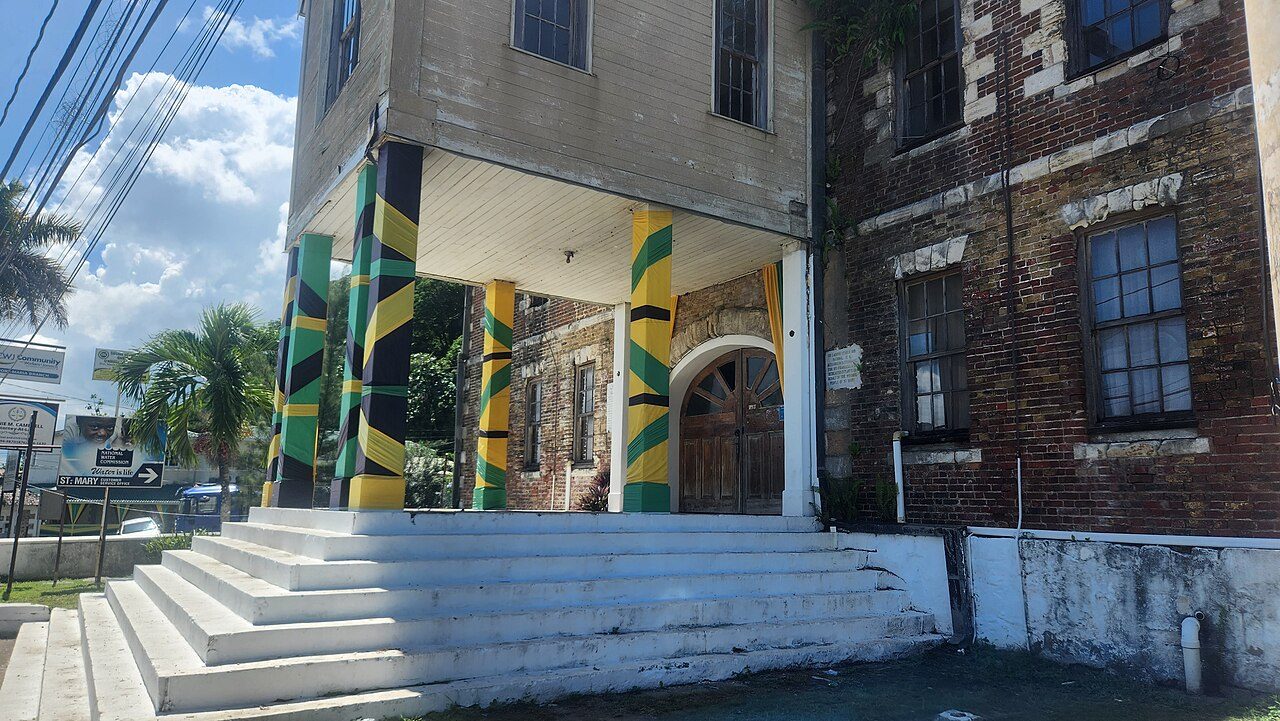
I support Pastor Jeffrey Shuttleworth’s challenge to the announced NIDS requirement. As The Jamaica Gleaner reported on November 27, 2026, he applied to the Supreme Court for judicial review after Prime Minister Andrew Holness said that people seeking hurricane recovery benefits would have to register with NIDS. The Government has a duty to account for public funds. It has an equal duty to explain why a family whose claim can already be verified should face another condition before receiving help to repair its home.
The Government is right to verify claims
The Prime Minister is right to insist that the Government know who receives relief and prevent duplicate payments. He has pointed to incorrect identification and banking details, dormant accounts, and competing claims involving the same damaged property as factors delaying payments under the Restoration of Owner or Occupant Family Shelters (ROOFS) programme. NIDS could help agencies match records and confirm a claimant’s identity. That is a reasonable case for accepting it as a form of identification.
Making enrolment compulsory requires a stronger justification. Two people can have different national ID numbers and still claim a grant for the same damaged house. Resolving that problem requires checking the household, the property, and any assistance already issued. In April 2026, the Office of the Prime Minister said that ROOFS recipients could collect grants with a valid passport, driver’s licence, or voter’s ID. It also said the Ministry cross-checked government records to enforce its one-grant-per-household rule. If the Government believes those procedures are inadequate, it should tell Jamaicans where they have failed and why compulsory enrolment would solve the problem.
Hurricane relief should never be used as leverage
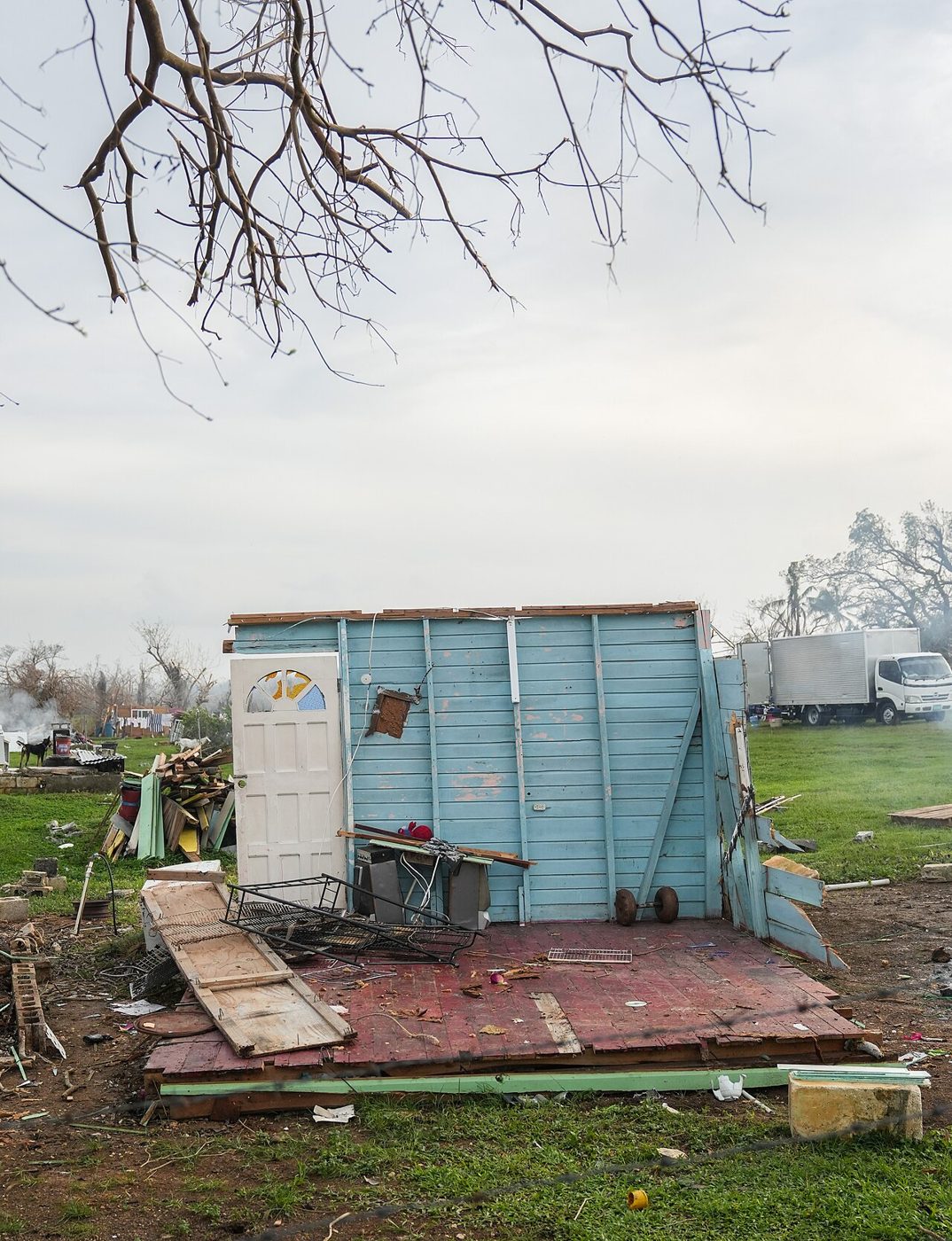
Section 10(2)(a) of the National Identification and Registration Act, 2021 requires the Authority to inform people at enrolment that participation is voluntary and that they may cancel it. Enrolment involves supplying biometric information, including fingerprints, subject to the Act’s provisions. A family living under tarpaulin may have little practical freedom to decline if enrolment is the only way to obtain a grant to repair its roof.
If the Government withholds assistance solely because an otherwise eligible applicant whose claim has been verified declines to enrol in NIDS, it is using access to hurricane relief to pressure that person into a decision the law leaves voluntary. In my view, that would be wrong.
In Julian Robinson v Attorney General, the Supreme Court struck down the earlier NIDS law in 2019. The case concerned a different statute, but its reasoning matters here. When a government measure limits a constitutional right, the Government must justify the burden it imposes, including why less restrictive measures would be insufficient. Whether the announced relief condition is unlawful is for the court to determine. The ethical question is already before us. How can we justify withholding help from a household whose eligibility and losses have been established?
Let the assessments determine who receives help
The Government owes affected families a clear answer. The Prime Minister’s October remarks, as reported by The Gleaner, described enrolment as a requirement. A later Jamaica Information Service report described him as urging people to obtain a national ID to speed up processing. The available public information leaves it unclear how widely the announced condition is being applied. The Government should say in writing which programmes are affected, when any new rule takes effect, and whether people already approved can collect their grants with the identification previously accepted.
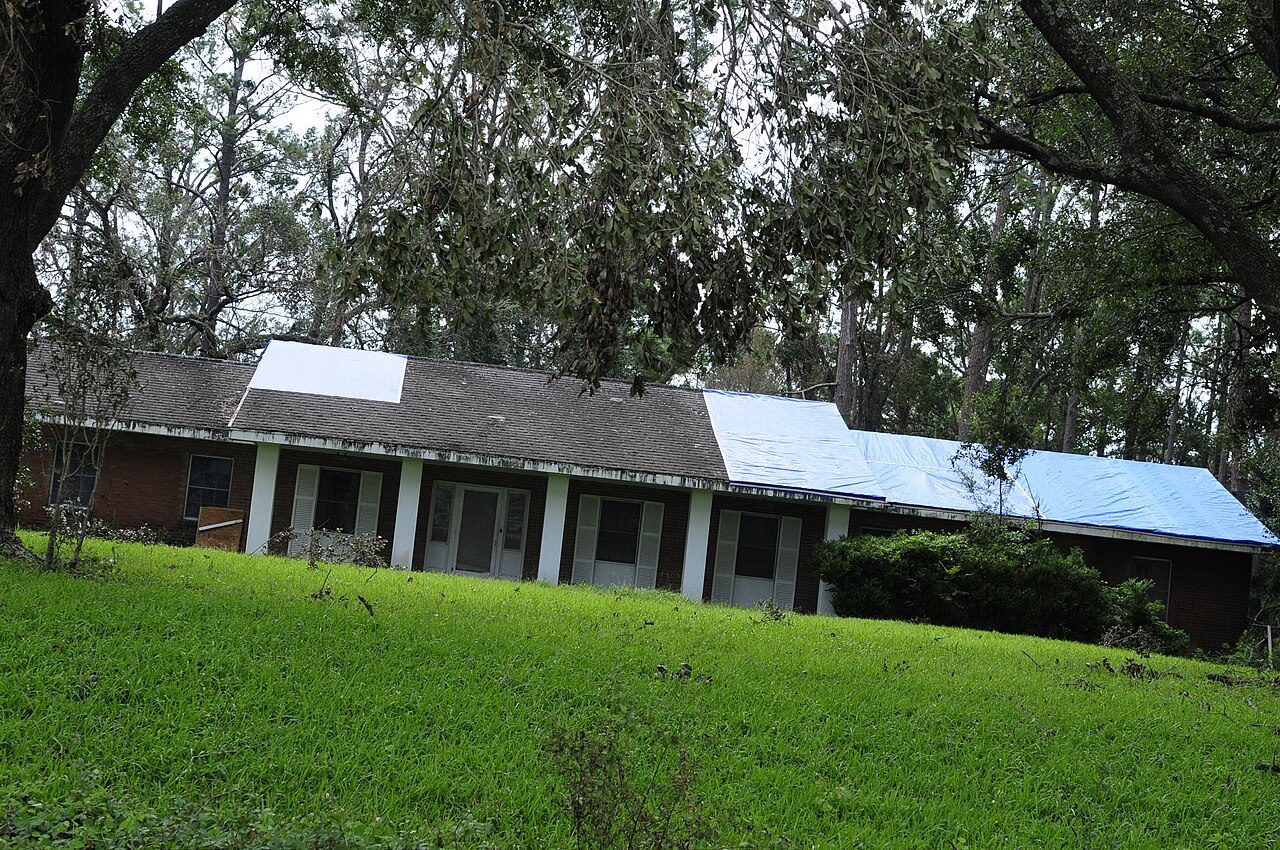
In the meantime, the responsible agencies should complete their damage assessments, verify each household’s eligibility, check for duplicate claims, and release assistance based on their findings. They should accept NIDS alongside other reliable forms of identification and give people who lost their documents in the storm a practical way to verify their identity. Households with the most urgent needs should receive priority. Where the work of verification is already done, the Government should proceed with payment.
The Government can make its case for voluntary NIDS enrolment on its own merits. A family waiting for a roof has a more immediate concern. Once the Government has verified that the family qualifies for help, it should deliver that help.
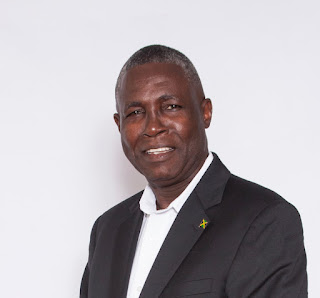
Dr Clovis B. Nelson is Kingstonmouth.com’s North American Correspondent. Born in Frankfield, Clarendon, he is an educator, education consultant and sculptor whose public works include elements of the Michael Manley and Nanny of the Maroons monuments at National Heroes Park. He holds a master’s degree from the University of Massachusetts Dartmouth and doctorates in Educational Leadership and Organizational Leadership from Nova Southeastern University, and is a Certified Member of the Think-Tank on Global Education at the Harvard Graduate School of Education. He has taught in Jamaica, Massachusetts and Broward County, Florida, and is active in Caribbean diaspora affairs in the United States.
Sources referenced
- The Jamaica Gleaner, report on Pastor Jeffrey Shuttleworth’s application for judicial review, 27 November 2026
- The Jamaica Gleaner, “‘Unacceptable’... Opposition against tying Hurricane Melissa relief assistance to NIDS registration”, 30 October 2026
- Office of the Prime Minister, statement on ROOFS grant collection and identification, April 2026
- Jamaica Information Service, report on the Prime Minister urging national ID registration
- National Identification and Registration Act, 2021, section 10(2)(a)
- Julian Robinson v Attorney General of Jamaica, Supreme Court, 2019
Read next
 Current AffairsCARICOM Heads to COP31: One Year After Melissa, the Caribbean Must Demand Money That Moves22 October 2026 · Kingston Mouth Editorial Team
 Current AffairsMelissa, One Year On: where the money went, and who is still waiting22 October 2026 · Kingston Mouth Editorial Team
 Current AffairsWeh Di Money Deh? Beenie Man, Hurricane Melissa and Jamaica's Accountability Problem3 November 2026 · Donovan Reynolds
Get Kingston Mouth in your inbox
Donovan Reynolds' latest articles and videos on Jamaica, the UK and the world, plus occasional sponsored offers. Unsubscribe any time.
Enjoyed this? Kingstonmouth.com is independent and reader-supported.
☕ Buy us a coffee
Comments
Loading comments…
Leave a comment