
COP31: Small islands left counting the cost
Loss and damage, the Caribbean, and how a handful of oil states emptied the Antalya climate talks
By Donovan Reynolds
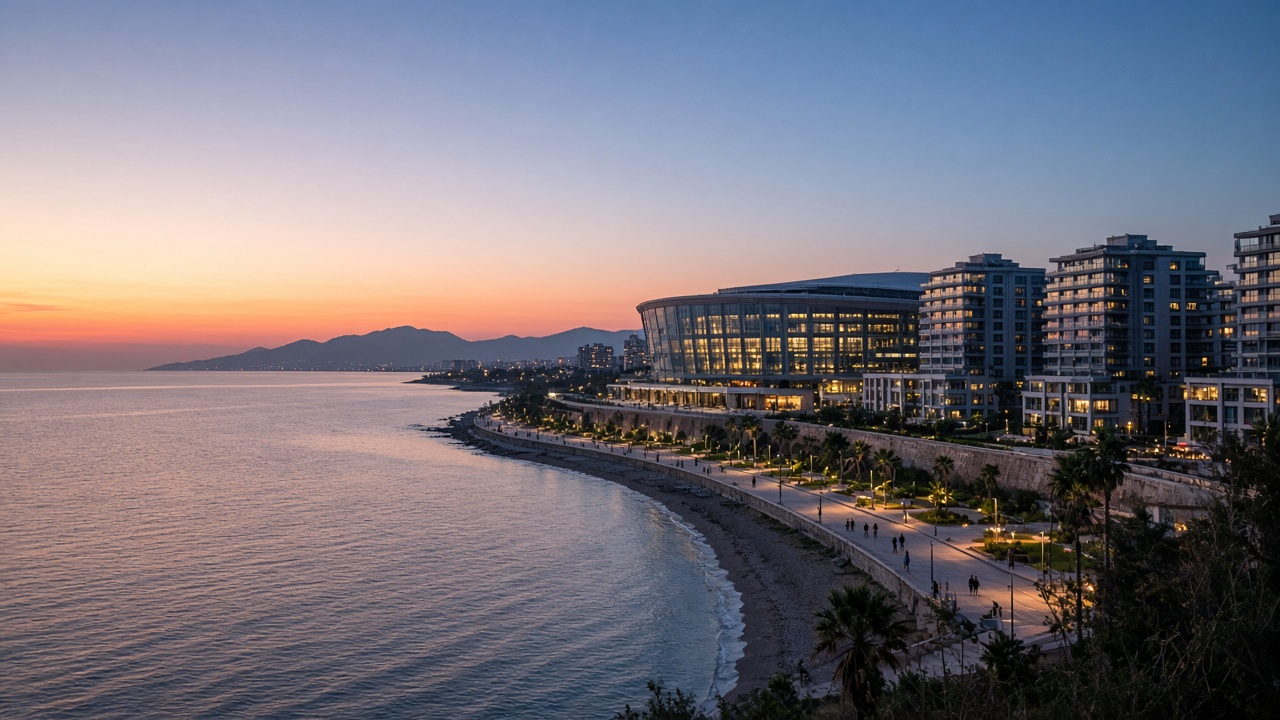
The United Nations climate summit in Antalya, Türkiye, was meant to be the "COP of implementation". Instead, COP31 ran almost two days past its deadline, became the longest climate conference on record, and ended on Sunday 22 November with no headline agreement at all. It is the first time since Copenhagen in 2009 that the world's governments have left a climate summit without a final political outcome (CNC3).
For the small island developing states of the Caribbean, this is not an abstract diplomatic setback. It is a question of who pays when the next storm comes. Barely a year after Hurricane Melissa tore through Jamaica, the region went to Antalya asking for one thing above all: money that arrives in time to rebuild. It came home with almost none of it. As the Prime Minister of The Bahamas put it, "Antalya has failed future generations."
Loss and damage: a fund with an empty purse
At the centre of the Caribbean's demands was the Fund for responding to Loss and Damage. Agreed at COP27 in Egypt in 2022, it exists to help countries recover from climate harm that can no longer be avoided: homes swept away, harvests lost, coastlines eaten by the sea. In principle it was a historic victory for the small islands. In practice, it remains badly short of money.
According to Carbon Brief, mostly developed countries have pledged about US$342 million to the fund, against US$2.8 billion in funding requests from developing countries. The board does not plan to begin paying out until December. Fresh pledges at Antalya were small: €15 million from Spain, with Italy and the EU largely formalising money they had already promised. A proper replenishment round will not begin until 2027.
Against this backdrop, the African Group, the least developed countries and the Alliance of Small Island States (AOSIS) pressed for six pages of detailed guidance to the fund, noting with concern the gap between what is available and what is needed. The EU and Japan preferred no guidance at all, arguing that negotiators should not micromanage the fund's board. The final text merely "noted" the shortfall, used weak language on scaling up funding, and urged donors to turn existing pledges into actual payments. A decision on how the wider Warsaw International Mechanism on loss and damage should be governed was deferred yet again.
Caricom had asked for much more: larger and more predictable contributions, simpler access rules, and quicker payouts so that countries can restore essential services after a disaster (CNC3). Above all, the region wants grants and highly concessional finance, not new loans that pile debt on top of destruction. None of that was secured.
What this means for the Caribbean
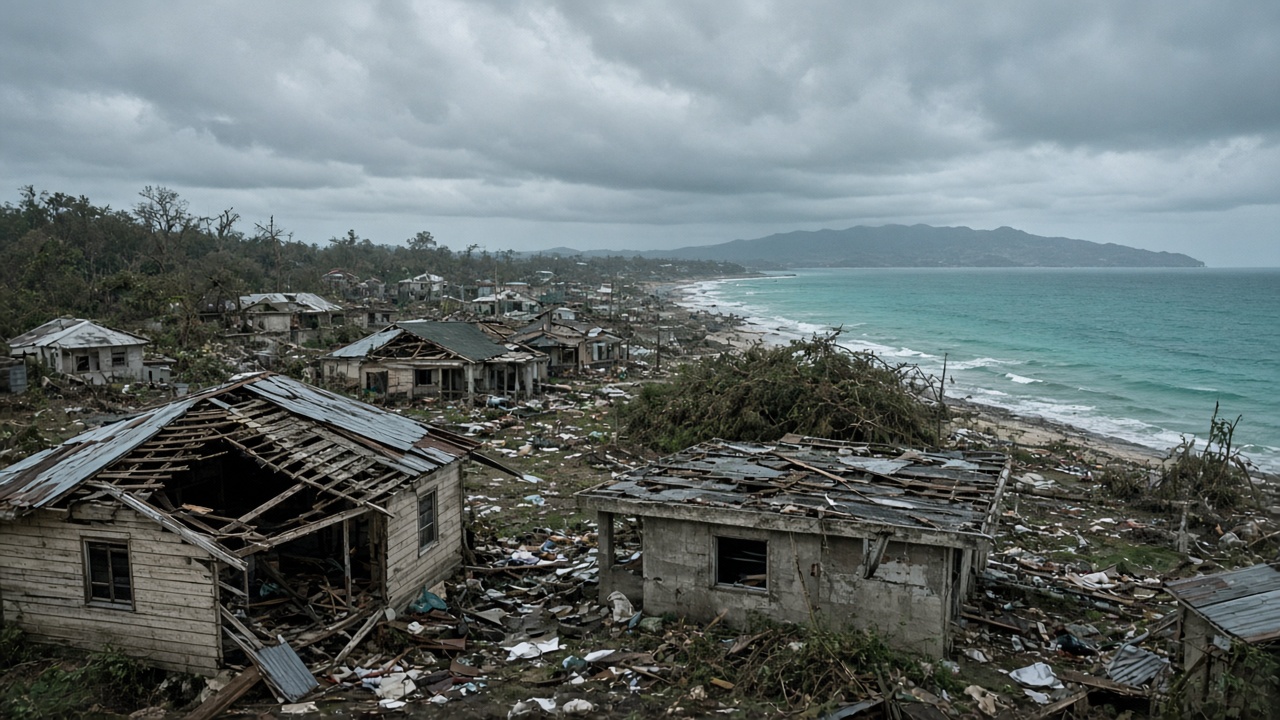
The scale of the mismatch becomes clear when set beside a single Caribbean storm. The World Bank and the Inter-American Development Bank estimated that Hurricane Melissa caused US$8.8 billion in physical damage to Jamaica, equal to 41 per cent of the country's 2024 GDP and the costliest hurricane in its recorded history (World Bank). The Planning Institute of Jamaica later put total damage, losses and associated costs at J$1.95 trillion, equivalent to 56.7 per cent of GDP (Jamaica Observer).
Put simply, everything pledged to the global loss and damage fund since 2022 would cover less than four per cent of the physical damage from one hurricane on one Caribbean island. And Jamaica is not alone. The same story has played out in Dominica, Barbuda, Grenada and The Bahamas, each knocked back years by a single storm.
This brings us to adaptation, the other side of the same coin. Money spent on sea walls, stronger housing and resilient water supplies today reduces the losses tomorrow. At COP30 in Belém, countries agreed to a "call for efforts" to triple adaptation finance by 2035. Small island states and the least developed countries came to Antalya wanting that turned into a firm figure of at least US$120 billion a year. Caricom pressed for a clear plan, an agreed baseline and milestones to track delivery. As its statement put it: "Every fraction of a degree matters, and so does every year spent above that level" (Greater Belize Media).
They left with no target and no baseline. Yet beneath the surface there was one modest gain: parties agreed to channel a share of carbon-market revenue to the Adaptation Fund, with developing countries keeping a majority on its board.
Watered down, hour by hour
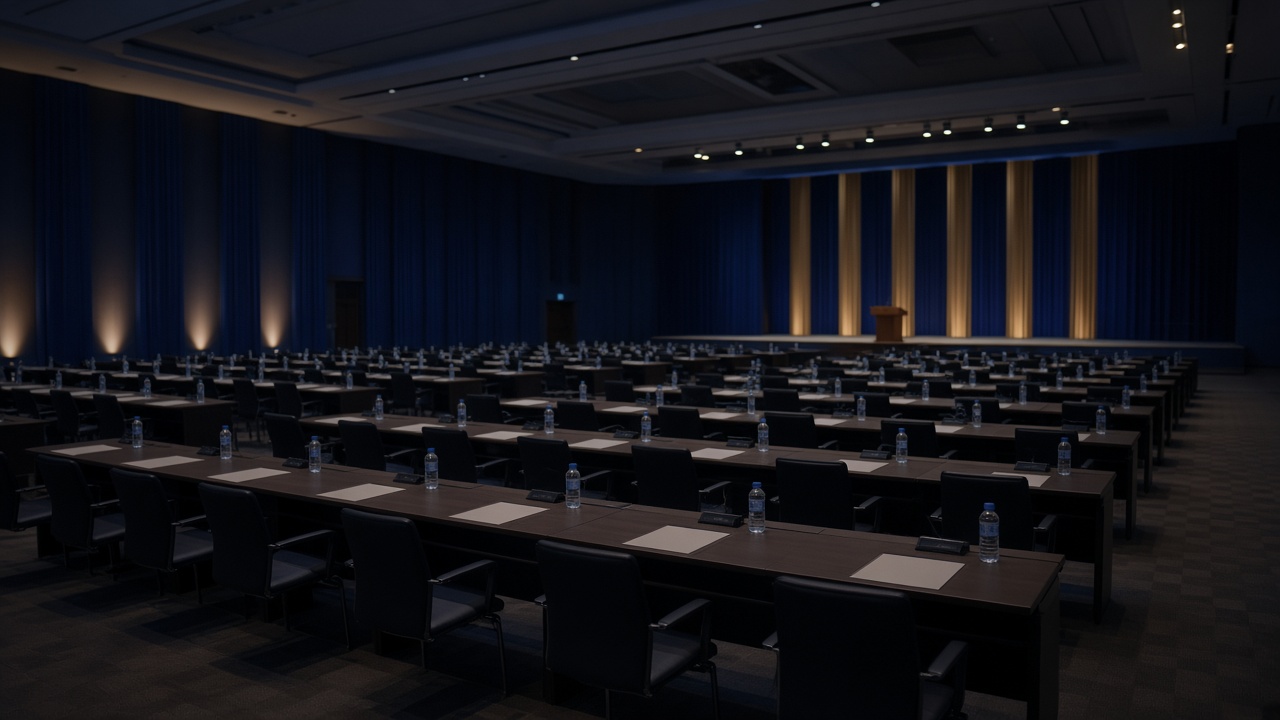
The longer the talks ran, the weaker the text became. Carbon Brief's reconstruction of the drafts tells the story plainly.
- 13 to 16 November: the presidency's "reflections" text gathered 144 paragraphs of proposals, including language on fossil fuels.
- Around 16 November: the first draft of the "Antalya Pact" ran to 18 pages and said adaptation finance should reach at least US$120 billion.
- 19 November: the second draft dropped any mention of fossil fuels, removed the US$120 billion figure, and added numerical targets for carbon capture and storage.
- About 3am on 22 November: a third draft still had no fossil fuel reference and no adaptation figure, and removed a call for the latest climate science to feed into the next global stocktake.
- 22 November: a coalition of 126 countries, including AOSIS, the EU, the UK, the Latin American and Caribbean group AILAC and the least developed countries, asked for a link back to the global stocktake's commitment to transition away from fossil fuels, and for the carbon capture targets to go.
- Hours later: the final draft offered only cosmetic changes.
The result was rejected. At least 32 countries objected in the closing plenary, among them Belize, Panama, the Marshall Islands and Vanuatu. Caricom said accepting the text could have eroded hard-won gains for small island states and set a dangerous precedent. In the words of the EU, it would not endorse a pact that "does not even mention fossil fuels".
Who hijacked the agenda?
Ireland's climate minister, Darragh O'Brien, speaking for the EU, said some oil states had "hijacked" the conference (CNBC). The reporting points in one direction. Negotiators from Europe, Latin America, Asia, Africa and the small island states named Saudi Arabia as the spearhead of the opposition to any wording on reducing fossil fuel use (Energy News). At the closing session, Saudi Arabia's negotiator spoke for the 22 members of the Arab Group and said he could not agree "to any formulation on fossil fuels" (Impakter). Russia took the same line. Together with other OPEC members they pressed instead for carbon capture, a technology many scientists and campaigners regard as costly and unproven at scale (Al Jazeera).
This matters because UN climate decisions are taken by consensus. Around 130 countries wanted the Antalya text to commit to moving away from coal, oil and gas. A small bloc of producers was enough to stop them. A negotiator from a small island state complained that a promised meeting with the Turkish and Australian presidents had been cancelled yet again as the talks dragged on. The Turkish presidency, for its part, insisted that no group or country received preferential treatment, and Saudi Arabia said it had engaged constructively.
However, it would be too easy to lay all the blame at the door of the petrostates. The money was watered down by the rich world. Before the summit, the EU's climate commissioner Wopke Hoekstra signalled that new public money was off the table. Developed countries resisted widening finance talks, and according to Climate Action Network, France, co-chairing the ministerial finance talks, proposed an older baseline for tripling adaptation finance that would have roughly halved the target to about US$60 billion a year. The UN Environment Programme estimates developing countries will need some US$305 billion a year for adaptation by 2035.
In other words, the oil states blocked the language on causes, while wealthy nations held back the money for consequences. Small island states were squeezed from both sides.
Where next for the Caribbean?
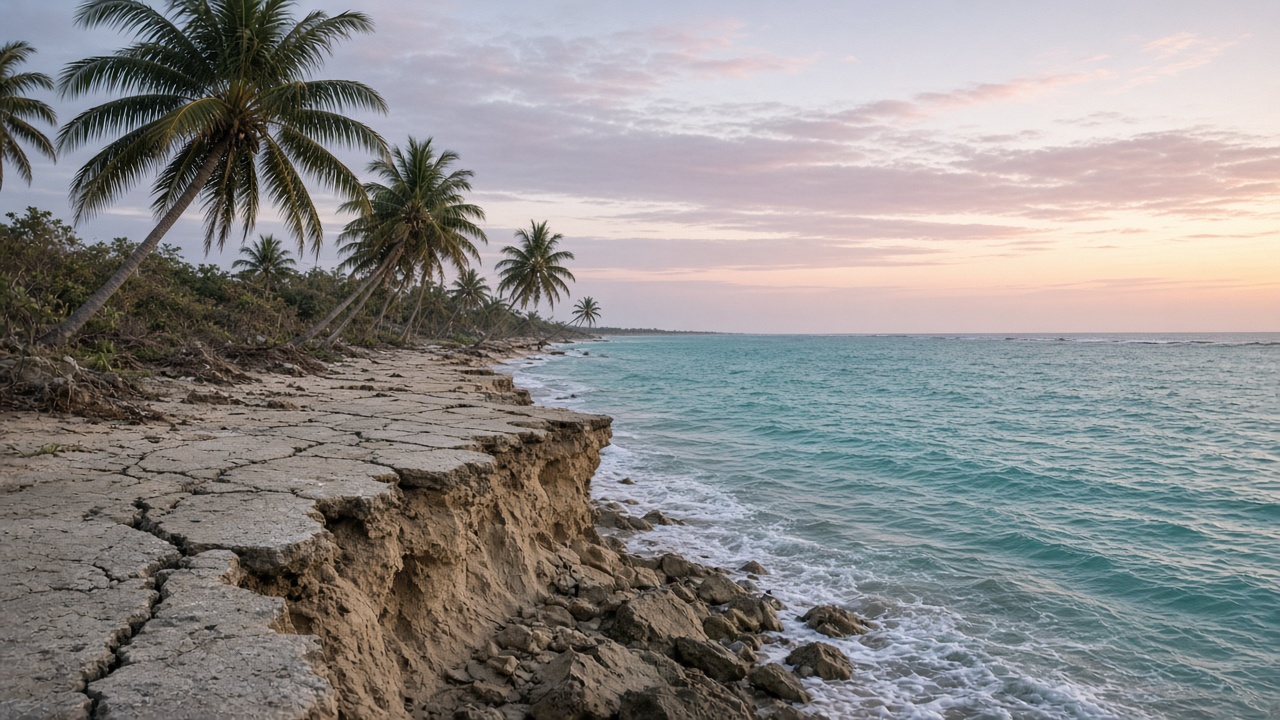
Building on this, the Caribbean's refusal to sign was not a walk-out from multilateralism. It was a refusal to lock in failure. Caricom and AOSIS chose no deal over a bad deal, and in doing so they kept the fossil fuel and finance questions alive for COP32. The unresolved issues of fossil fuel transition, adaptation finance, loss and damage, equity and implementation all remain on the agenda.
Likewise, the region now has twelve months to build a sharper strategy. Three priorities stand out. First, the 2027 replenishment of the loss and damage fund must become the Caribbean's central diplomatic campaign, with clear figures tied to real disasters such as Melissa. Second, adaptation finance needs a baseline and a number, written down and tracked. Third, the region must widen its alliances, with the 126-country coalition that stood firm in Antalya, and with the Caribbean diaspora in London, New York and Toronto, whose voices carry weight in the capitals that hold the purse strings.
The small islands did not cause the climate crisis. They should not be left to pay for it alone.
Donovan Reynolds is a political commentator, trained diplomat and environmental activist, and the author of River Tales and Environmental Realities.
Sources
- COP31: Key outcomes agreed at the UN climate talks in Antalya, Carbon Brief
- Caricom disappointed as COP31 fails to secure agreement, CNC3
- CARICOM "Deeply Disappointed" as COP31 Ends Without Deal, Greater Belize Media
- Bahamas PM: COP31 has failed future generations, CNC3
- AOSIS says COP31 deal falls short on urgent action, CNC3
- 'Worst COP ever': Climate talks collapse after draft deal fails to include fossil fuels, CNBC
- COP31: What next after UN climate talks collapse, Al Jazeera
- How a Handful of Oil States Vetoed the World, Impakter
- COP31: Saudi Arabia accused of blocking any mention of fossil fuels, Energy News
- Saudi Arabia's influence loomed large over failed COP31 deal, Rappler
- COP31 ends with no major deal, divisions over fossil fuels and climate finance deepen, Down To Earth
- World Bank, IDB estimate Hurricane Melissa damage to Jamaica totals all-time high of US$8.8 billion, World Bank
- Melissa cost climbs to $1.95T, equivalent to 56.7 per cent of GDP, Jamaica Observer
Related reading
- A Solitary Seat at the Table: Britain, COP31 and the Caribbean
- CARICOM Heads to COP31: One Year After Melissa, the Caribbean Must Demand Money That Moves
- Melissa, One Year On: where the money went, and who is still waiting
- Weh Di Money Deh? Beenie Man, Hurricane Melissa and Jamaica's Accountability Problem
Get Kingston Mouth in your inbox
Donovan Reynolds' latest articles and videos on Jamaica, the UK and the world, plus occasional sponsored offers. Unsubscribe any time.
Enjoyed this? Kingstonmouth.com is independent and reader-supported.
☕ Buy us a coffee
Comments
Loading comments…
Leave a comment