Current Affairs
Raheem Sterling and the Weight of the Crown: Caribbean Fame and the Duty to Inspire
 By Donovan ReynoldsNovember 25, 2026 · Current Affairs · Caribbean · UK Politics · Sports
The Kingston-born former England star has been spared jail after admitting dangerous driving while inhaling laughing gas. For the Caribbean diaspora, his fall raises a bigger question: what do our young, gifted and famous owe the children who look up to them, and what do we owe them in return?
What Happened
On Wednesday 25 November 2026, Raheem Sterling walked out of Basingstoke Magistrates' Court a free man, but a deeply diminished one. District Judge Kirsty Allman sentenced the 31-year-old to 12 months' imprisonment, suspended for 18 months. He must also complete 100 hours of unpaid work and is banned from driving for two years (Samaa/Reuters; Al Jazeera).
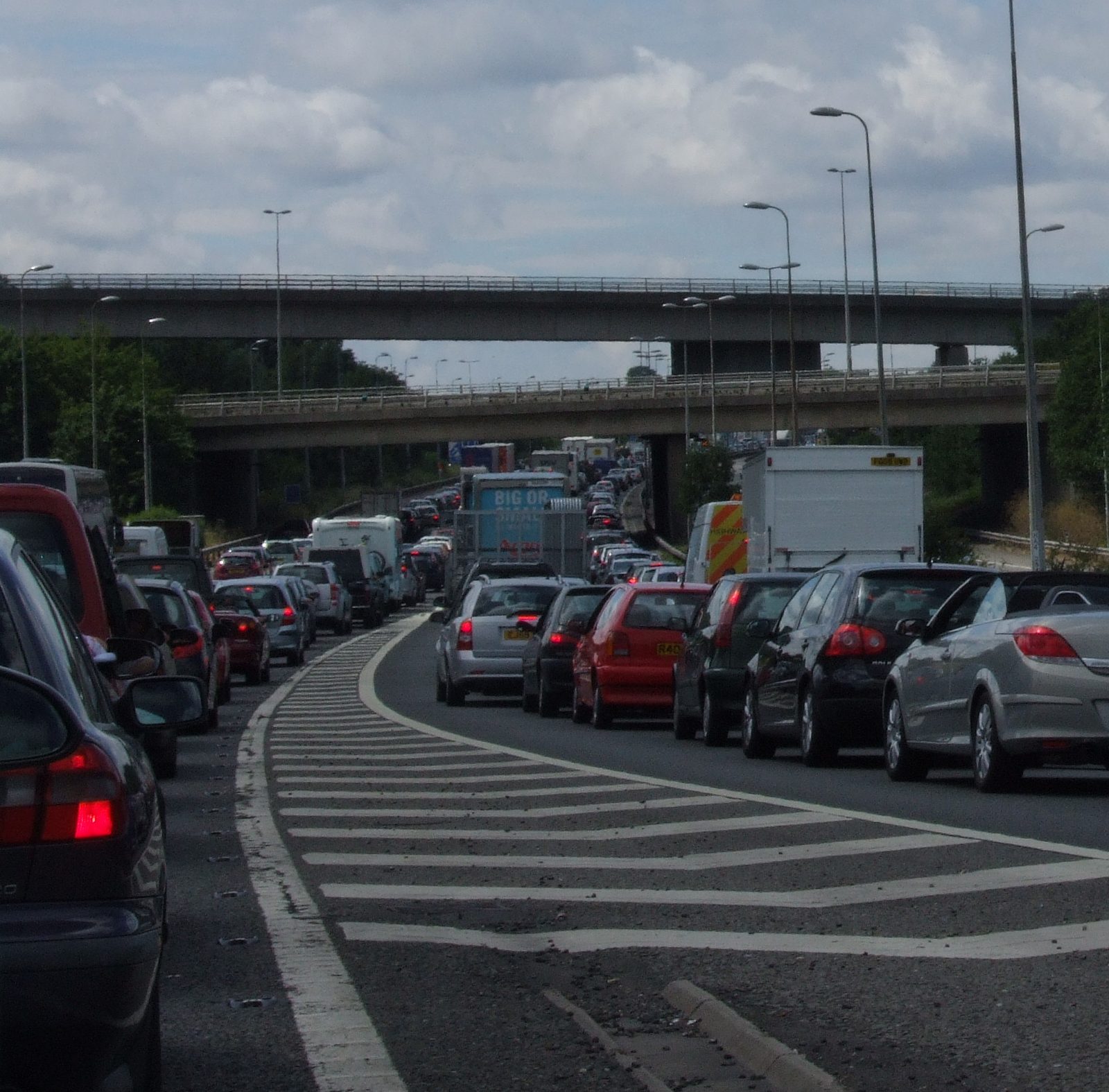
The facts the court heard were stark. During the morning rush hour on 28 May, Sterling drove his Lamborghini erratically along the M25 and M3 in Hampshire. A witness who called the police said the driving was "absolutely horrendous" and described him inhaling from a large balloon that blocked much of his view of the road. Dashcam footage showed the car weaving between lanes and almost striking the central reservation. After leaving the motorway, the car hit a roadside sign and was written off (Yahoo Sports).
By good fortune, no other vehicle was involved and nobody was hurt. Officers found Sterling in the passenger seat with two canisters of nitrous oxide on his lap. In custody he told staff he had "a problem with nitrous oxide" (Irish News; IBTimes).
At an earlier hearing on 15 September, Sterling pleaded guilty to three offences: dangerous driving, possession of six canisters of nitrous oxide for wrongful inhalation, and failing to provide a specimen for analysis (Reuters via The Star; Irish Times).
Judge Allman did not mince her words. She said Sterling had acted with "conscious disregard for the safety of other road users" and called his decision to drive "entirely selfish". Yet she also took into account his charitable work and his engagement with addiction services since the crash. His barrister, Jason Bartfeld, told the court that Sterling began using the gas during a difficult period in his career, and that he "has recognised the various unhealthy coping mechanisms" behind the offence (Yahoo Sports).
From Kingston to the Summit of English Football
Against this backdrop, it is worth remembering how far Sterling has travelled. Born in Kingston, Jamaica, in December 1994, he lost his father to violence when he was a toddler. His mother then left for England, and he followed her to north-west London as a small boy, growing up in the shadow of Wembley Stadium (The Gleaner).
Building on raw talent, he rose through Queens Park Rangers and Liverpool before becoming one of the defining players of Pep Guardiola's Manchester City. There he won four Premier League titles. For England he scored 20 goals in 82 appearances, and he was central to the side that reached the final of Euro 2020 (Samaa/Reuters; La Nación/AP).
Off the pitch, Sterling became one of the bravest voices in British sport. In 2018, after racist abuse at Stamford Bridge, he accused British newspapers of helping to "fuel racism" through the way they portrayed young Black footballers. He contrasted coverage of two young Manchester City teammates, one Black and one white, who had each bought homes for their mothers (Times of Oman/AFP). That intervention changed the national conversation.
Yet beneath the surface, his career was unravelling. A move to Chelsea in 2022 turned sour, a loan spell at Arsenal brought little, and he has not played in the Premier League since May 2025 (Sports Illustrated). Chelsea released him by mutual consent, and a short spell at Robin van Persie's Feyenoord followed in 2026 (Flashscore). Today he is without a club.
A Caribbean Son in the Spotlight
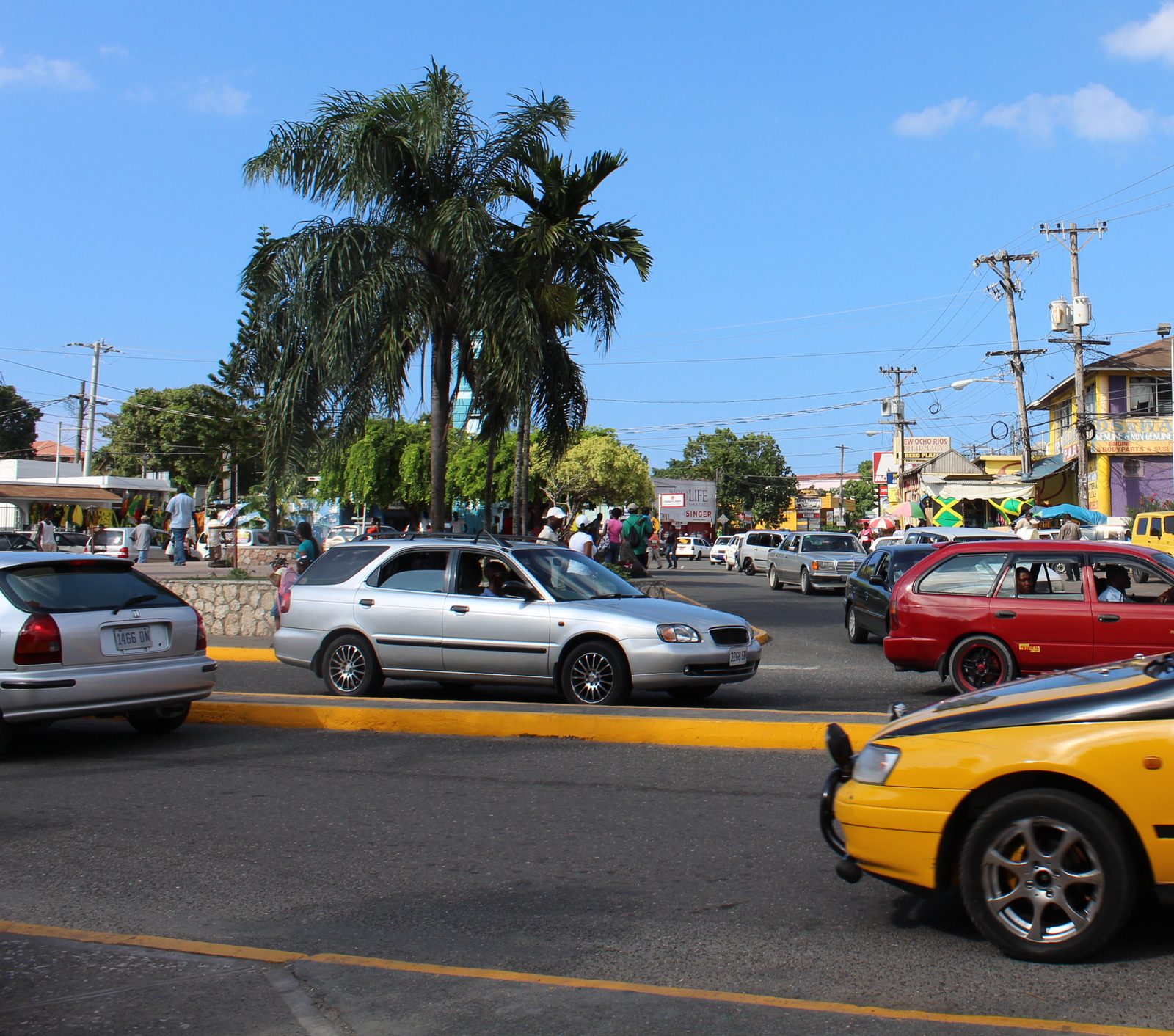
This brings us to the heart of the matter. When Sterling lifted trophies at Manchester City or ran at defenders in an England shirt, he was never only representing a club or a country. In barbershops in Harlesden and Brixton, in yards in Kingston and Spanish Town, people saw one of their own. Like so many Caribbean children who crossed the Atlantic, he arrived with little and rose to the very top. For a generation of young Black boys in the diaspora, he was proof that the journey could be made.
With that pride comes responsibility. Let us be clear: nothing excuses what happened on the M3. Sterling put commuters, families and road workers at risk, and the court was right to say so. Fame and wealth do not place anyone above the law, and Kingston Mouth would say the same of anyone. Yet for a young Caribbean star, the consequences of such choices travel further. Every headline is read by a teenager in Croydon or Montego Bay who has his posters on the wall and is still learning what a man looks like.
Our region has given the world remarkable examples of how to carry that weight. Usain Bolt and Shelly-Ann Fraser-Pryce turned Olympic glory into foundations that invest in children and education in Jamaica. Marcus Rashford, whose family roots lie in St Kitts, used his platform to force the British government to feed hungry schoolchildren. And Sterling himself, in 2018, showed real courage when he called out a press that portrayed young Black footballers as greedy and flashy. These are the moments when Caribbean fame becomes a gift to the community, not just to the individual.
However, responsibility cannot mean perfection. Many of our young stars are thrust into the public eye as teenagers, surrounded by money and flattery, and often far from the elders who raised them. In Caribbean tradition, it takes a village to raise a child. Too often, once the cheering starts, the village disappears and is replaced by agents, hangers-on and social media. When the career stumbles, as Sterling's did after Chelsea, there may be nobody left who can say, with love, "Yuh a go wrong, mi son."
This is why accountability and compassion must go together. Sterling has admitted his guilt, named his problem and sought help. That matters. The same press he once accused of fuelling racism will be tempted to tell the story of a spoiled Black star. The truer story is of a gifted young man who carried the hopes of a community, and struggled when the spotlight moved on.
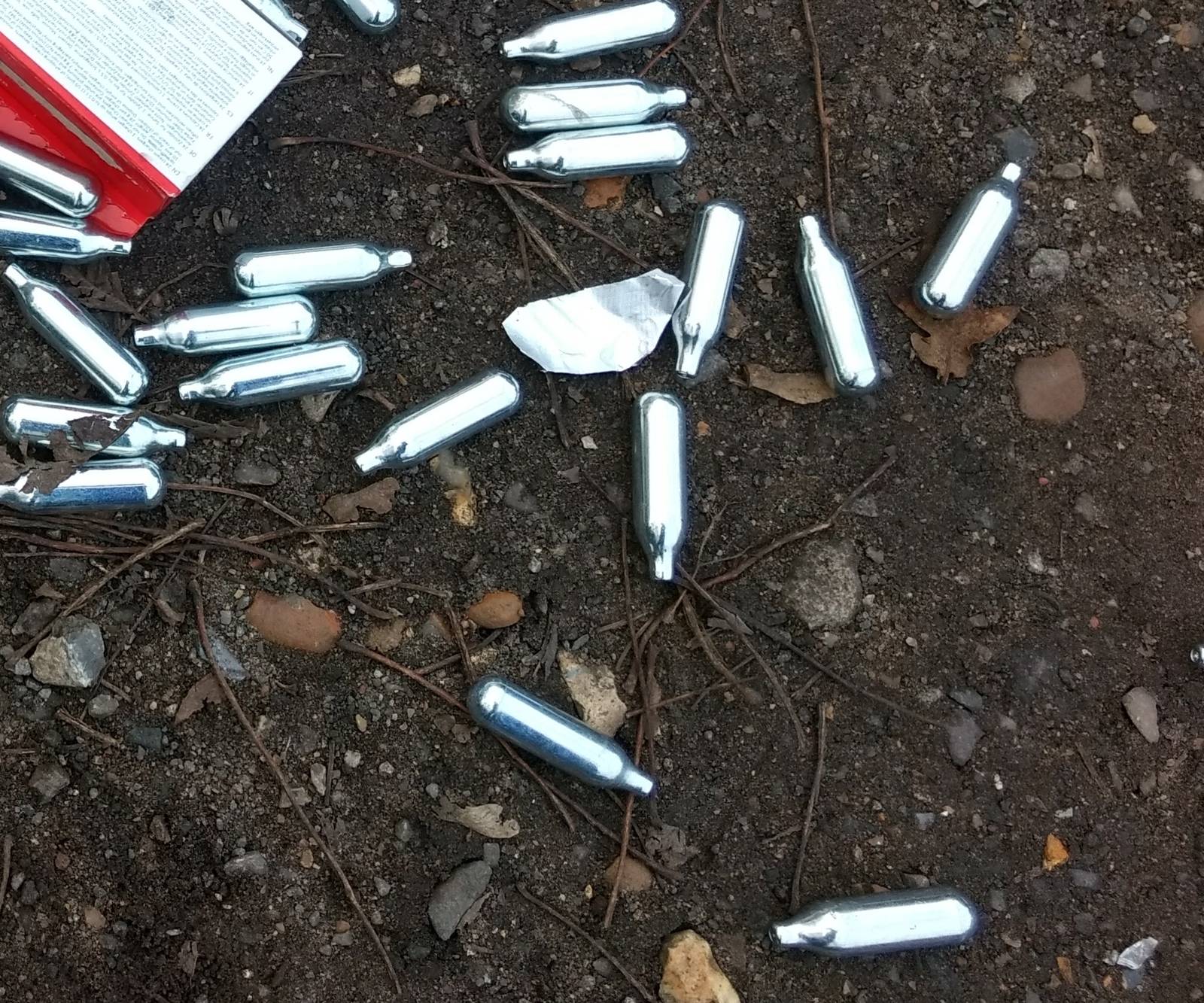
Likewise, the case shines a light on nitrous oxide. Possessing it for inhalation has been an offence in Britain only since November 2023 (Heavy). Its silver canisters are now a familiar sight on streets and in parks, and many young people still see it as harmless fun. Sterling's crash shows otherwise. Behind the wheel, a few seconds of light-headedness can cost lives. Addiction services, schools and parents across the diaspora should use this moment to talk honestly with young people about the risks.
Finally, there are lessons for football and for our own communities. Clubs invest millions in a player's body and almost nothing in his mind once the contract ends. The game must build proper mental health and addiction support that follows players beyond the dressing room. Likewise, the diaspora can do more. Churches, community groups, former players and Caribbean organisations in Britain can offer young stars the mentoring and grounding that money cannot buy, and keep them connected to the communities that made them.
A Second Half Still to Play
In the end, Raheem Sterling's story is not finished. He is 31, he has accepted his punishment, and he has 18 months to prove that the court's faith in him was justified. Jamaica gave the world this extraordinary talent, and Britain shaped him. Both should now want to see him recover, not only as a footballer but as a man.
The example Sterling sets now may matter more than any goal he ever scored. If he faces his addiction openly, speaks to young people about the dangers of nitrous oxide and gives back to the communities in London and Kingston that produced him, he can turn his lowest moment into his most powerful lesson. That is the true responsibility of Caribbean fame: not to be flawless, but to show the young people who look up to you how to fall, own your mistakes and rise again. Kingston Mouth wishes him well on that journey.
Donovan Reynolds is a political commentator and trained diplomat, and the founder of Kingstonmouth.com. He is the author of River Tales and Environmental Realities.
Sources
- Ex-England star Sterling given suspended sentence for dangerous driving, Al Jazeera, 25 Nov 2026
- Ex-Man City Raheem Sterling avoids prison after shocking details of Lamborghini crash emerge in court, Yahoo Sports, 25 Nov 2026
- Raheem Sterling gets suspended sentence for dangerous driving, Samaa (Reuters), 25 Nov 2026
- Ex-England soccer player Sterling admits dangerous driving, The Star (Reuters), 15 Sep 2026
- Raheem Sterling admits to dangerous driving on motorway before crash, Irish Times, 15 Sep 2026
- Raheem Sterling admits driving Lamborghini dangerously ahead of motorway crash, Irish News
- Raheem Sterling Faces Jail After Driving £270K Lamborghini While Inhaling Nitrous Oxide, IBTimes UK
- Jamaica-born English football star Raheem Sterling admits dangerous driving, The Gleaner, 15 Sep 2026
- English soccer star Raheem Sterling admits dangerous driving after highway collision, La Nación (AP), 15 Sep 2026
- Multi-Time Premier League Winner Pleads Guilty to Drug Possession, Sports Illustrated
- Raheem Sterling completes shock move to Robin van Persie's Feyenoord, Flashscore
- Raheem Sterling's Court Plea Caps a Steep Fall From Football's Peak, Heavy
- Raheem Sterling accuses newspapers of fuelling racism, Times of Oman (AFP), 10 Dec 2018
Related reading
- Rebuilding the Caribbean Family: Young Migrants from the Diaspora, Africa and South Asia
- Weh Di Money Deh? Beenie Man, Hurricane Melissa and Jamaica's Accountability Problem
- Kemi Badenoch Is Wrong About Reparations, and the Caribbean's Long Record Proves It
- Asafa Powell and Tyson Gays Failed Drug Test: By Donovan Reynolds Blogger and Independent Writer.
Read next
 Current AffairsNvidia, Huang and the White House: when the boardroom answers to the President23 November 2026 · Donovan Reynolds
 Current AffairsCOP31: Small islands left counting the cost23 November 2026 · Donovan Reynolds
 Current AffairsThe Voice of the West: Kingstonmouth.com Honours Adrian Frater with Lifetime Achievement Award22 November 2026 · Donovan Reynolds
Get Kingston Mouth in your inbox
Donovan Reynolds' latest articles and videos on Jamaica, the UK and the world, plus occasional sponsored offers. Unsubscribe any time.
Enjoyed this? Kingstonmouth.com is independent and reader-supported.
☕ Buy us a coffee
Comments
Loading comments…
Leave a comment